Here is an uncomfortable thing I worked out in my late twenties. I did not dislike vegetables. I disliked the way I had been cooking them, which was boiling or steaming almost everything and then wondering why dinner was boring.
Nobody had ever told me otherwise.
Once I started roasting properly, salting at the right moment, and using enough heat, the same vegetables became the part of the meal I looked forward to. So this list is twelve recipes, plus the handful of rules that make all of them work.
The three things that decide whether vegetables taste good
Heat is the first one. Most home cooks under heat vegetables, which means they release water and steam in their own liquid instead of browning. Browning is where flavour comes from, and it needs a genuinely hot pan or a 425 degree oven, not a cautious medium.
Salt timing is the second. Salting vegetables early draws water out, which is what you want for things you plan to roast dry, and exactly what you do not want for a quick sauté where you are trying to get colour fast. And the third is space. A crowded pan steams, always, no exceptions. I noticed the year I started using two trays instead of one that my roast vegetables browned properly for the first time, and I had spent years assuming my oven was the problem.
1. Roasted vegetables done properly
Cut everything to a similar size, toss with a tablespoon of oil per tray and a good pinch of salt, spread in a single layer with space between pieces, and roast at 425 degrees Fahrenheit. Root vegetables need 35 to 40 minutes, softer ones 20 to 25. Do not stir more than once, since every stir interrupts the browning.
2. Charred broccoli with garlic and chili
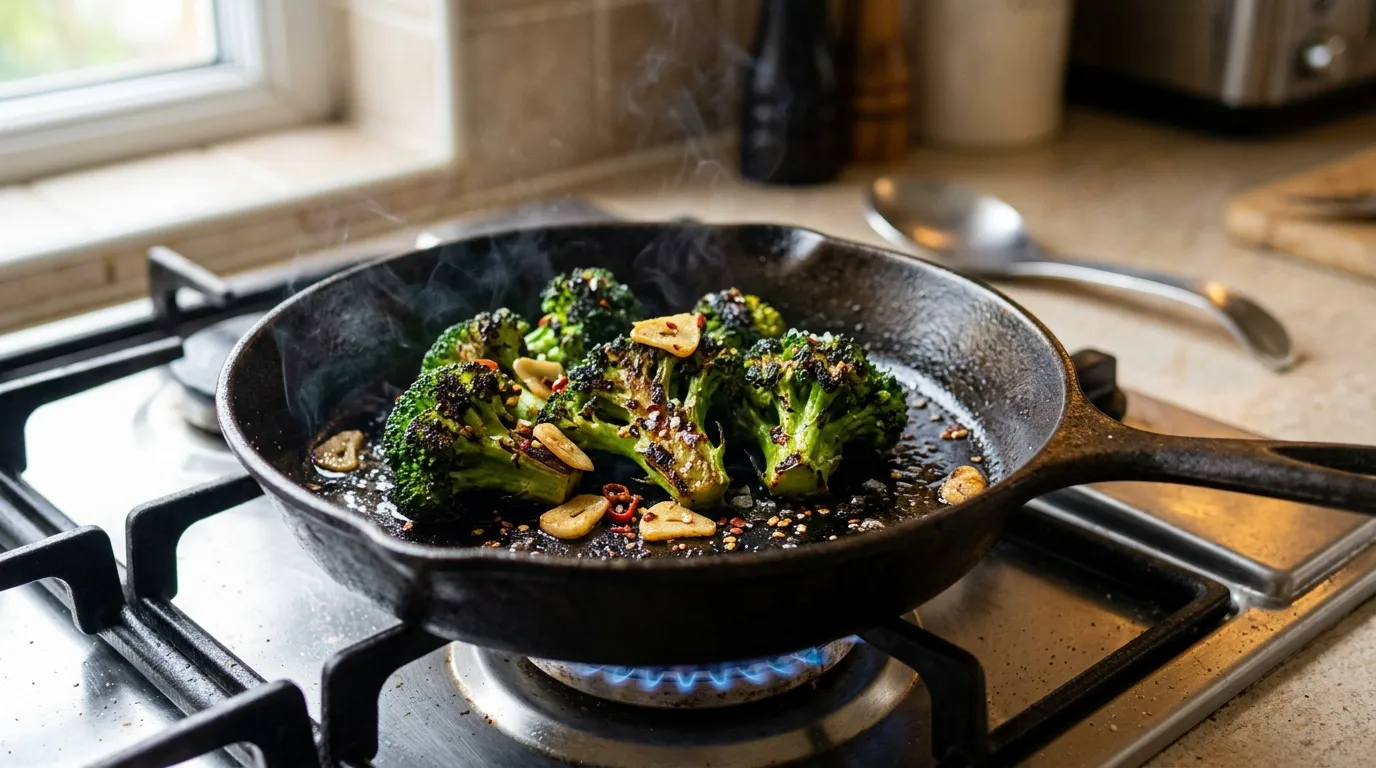
Broccoli in florets, cut side down on a hot dry pan or a preheated tray, left alone for five minutes until properly blackened in spots. Then garlic, chili flakes, and lemon at the end. Adding garlic early just burns it, which is the most common way this dish goes wrong.
3. Blistered green beans
A screaming hot skillet, a little oil, beans in a single layer, and almost no stirring for three or four minutes. You want them blistered and slightly collapsed, not bright green and squeaky. Finish with flaky salt and a splash of vinegar off the heat.
4. Cauliflower steaks
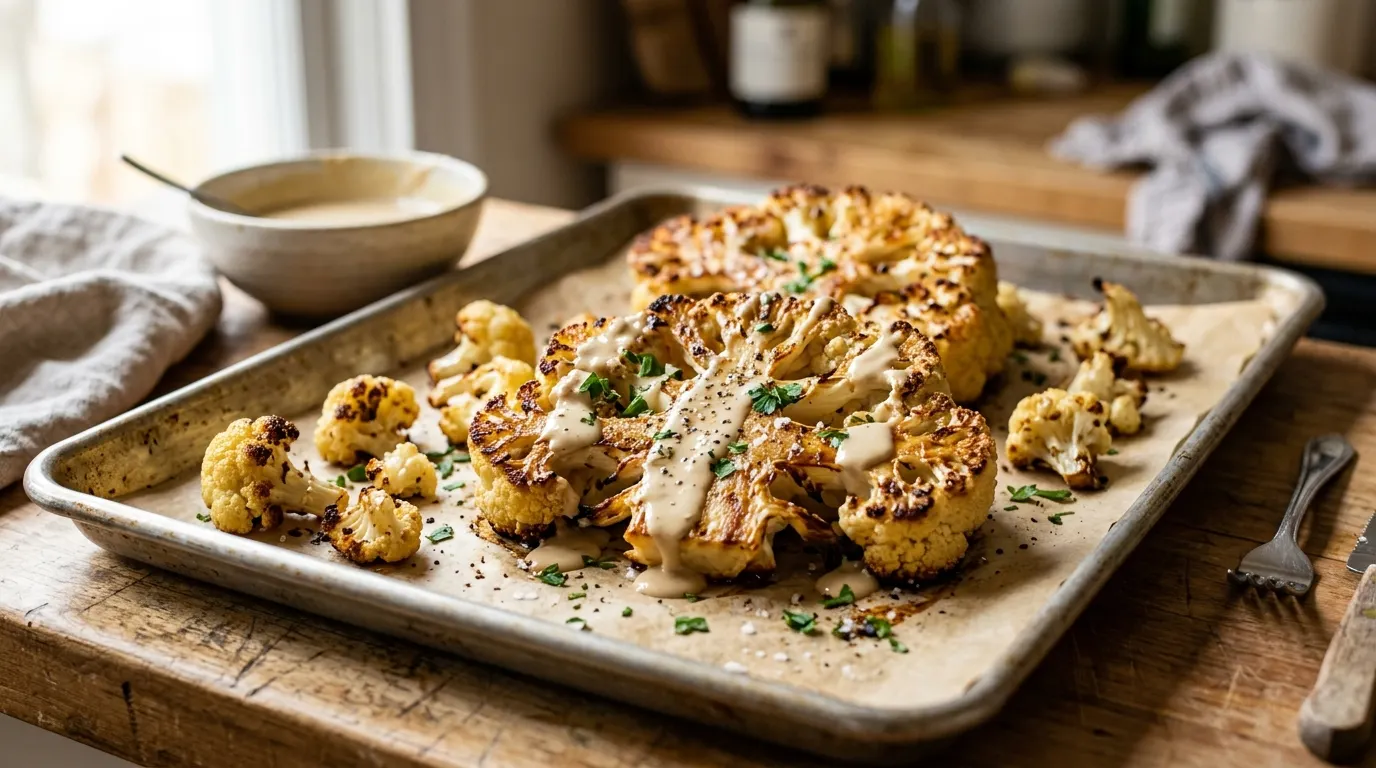
Slice a whole head into inch thick slabs through the core so they hold together, brush both sides with oil, and roast at 425 for 25 minutes, flipping once. The outer pieces will fall apart into florets, and that is fine, roast those too. Tahini or a yogurt sauce over the top turns this into a meal.
5. Smashed potatoes
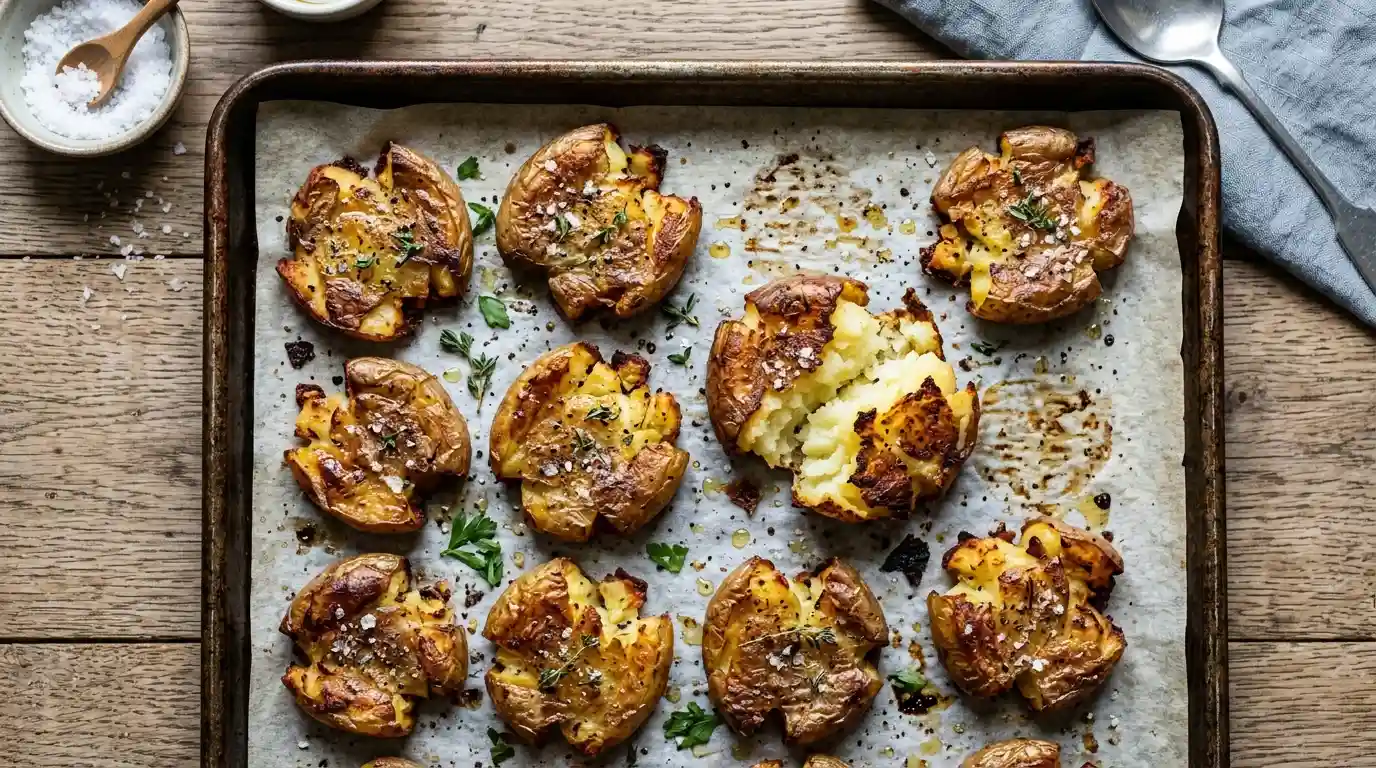
Boil small potatoes until fork tender, about 15 minutes, drain and let them steam dry for five, then smash flat with the bottom of a glass and roast at 450 with plenty of oil for 25 to 30 minutes. The steam drying step is what makes them crisp rather than soggy, and skipping it is why most attempts fail.
6. Braised greens that are not bitter
Kale, chard, or collards cooked slowly in a covered pan with a splash of stock, garlic, and a little acid for 20 to 30 minutes. Long slow cooking mellows the bitterness that quick sautéing leaves behind. A splash of vinegar at the end lifts the whole thing.
7. Vegetable soup with a browned base
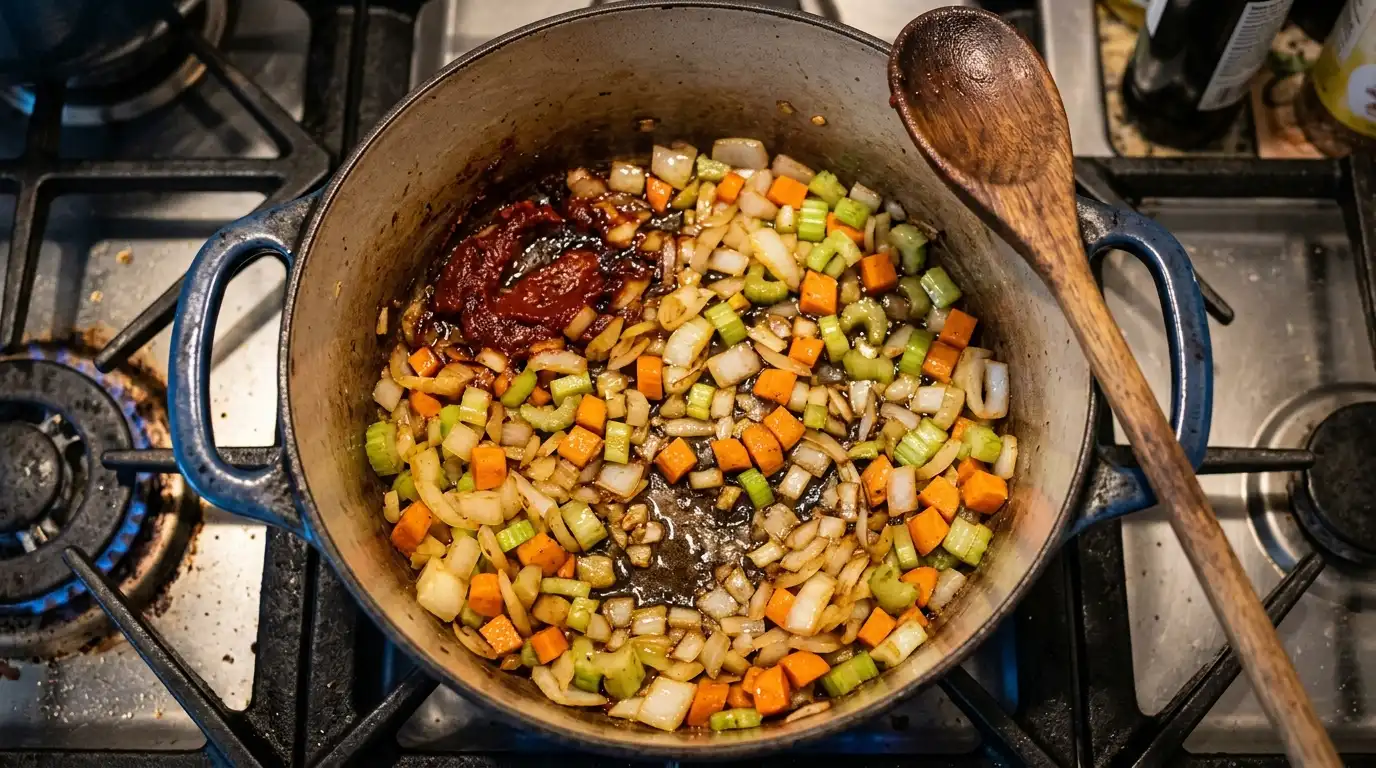
The difference between a flat soup and a good one is the first ten minutes. Cook onion, carrot, and celery in oil over medium heat until they actually take on colour, not just soften, then add tomato paste and let it darken for a minute before any liquid goes in. That base is the whole flavour.
8. Stir fried vegetables that stay crisp
Everything cut small and prepped before the pan goes on, since there is no time once it starts. Highest heat your stove does, oil that can take it, and cook in two batches rather than one crowded one. Sauce goes in during the last thirty seconds only, otherwise everything steams.
9. Sheet pan vegetables with a protein
Dense vegetables get a 15 minute head start at 425, then chicken thighs or sausage go on, then quick vegetables like peppers or asparagus join for the last 10 to 15. One tray, one wash up. Stagger by cooking time and this never goes wrong.
10. Grated vegetable fritters
Zucchini, carrot, or potato grated on the large holes of a box grater, salted for 20 minutes, then squeezed hard in a towel twice. Bind with an egg and a third of a cup of flour and pan fry. The squeezing is the entire recipe, since wet vegetables give you a soggy fritter every time.
11. Raw vegetable salad with a sharp dressing
Thin sliced fennel, cabbage, or cucumber with a dressing heavy on acid, roughly one part vinegar or lemon to two parts oil. Salt the vegetables ten minutes before dressing them so they soften slightly and take the flavour. Use a mandoline if you have one, since thickness consistency matters more than you would think.
12. Roasted tomatoes for everything
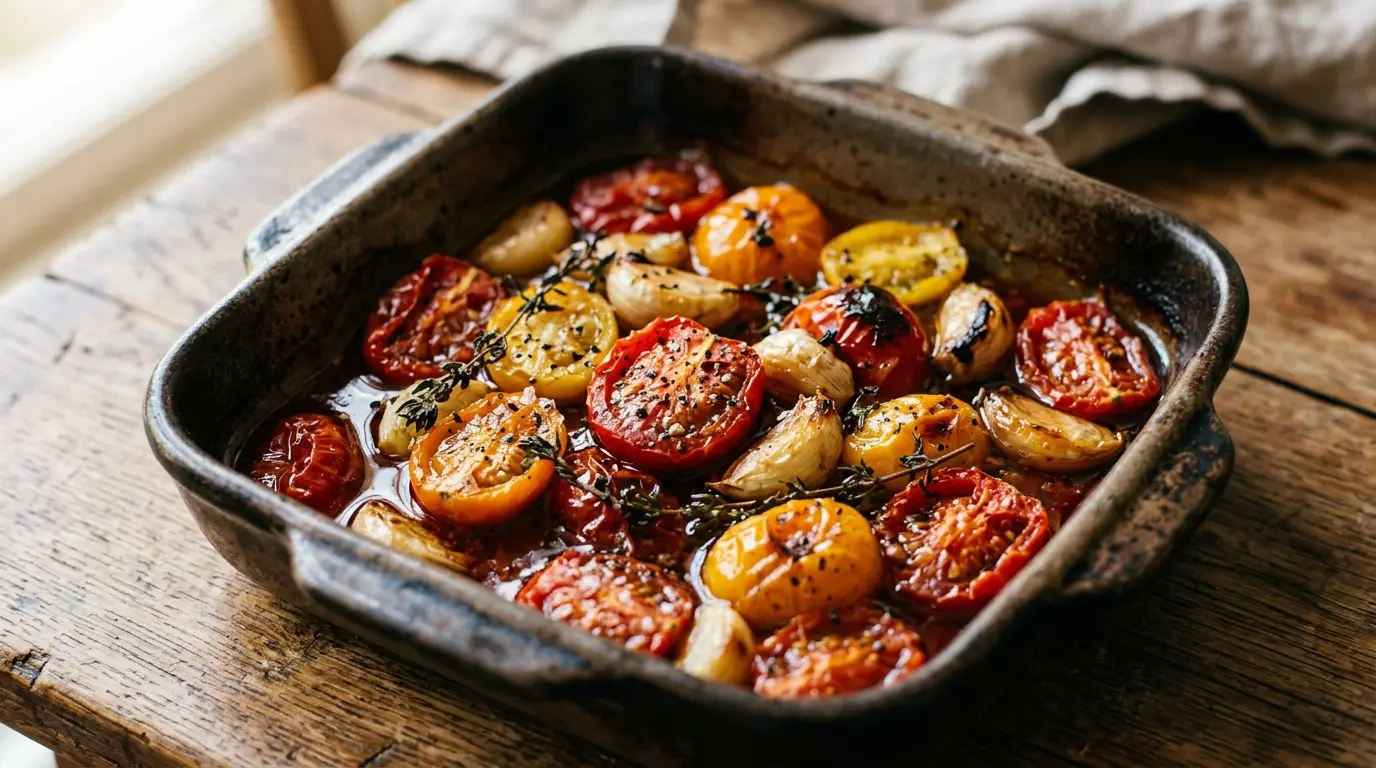
Halved cherry tomatoes cut side up with oil, salt, and a few garlic cloves at 400 degrees for 40 minutes until collapsed and jammy. They keep a week in the fridge and go on pasta, toast, eggs, or into a salad. This is the highest return per minute of effort on the entire list.
How to cook any vegetable well without a recipe
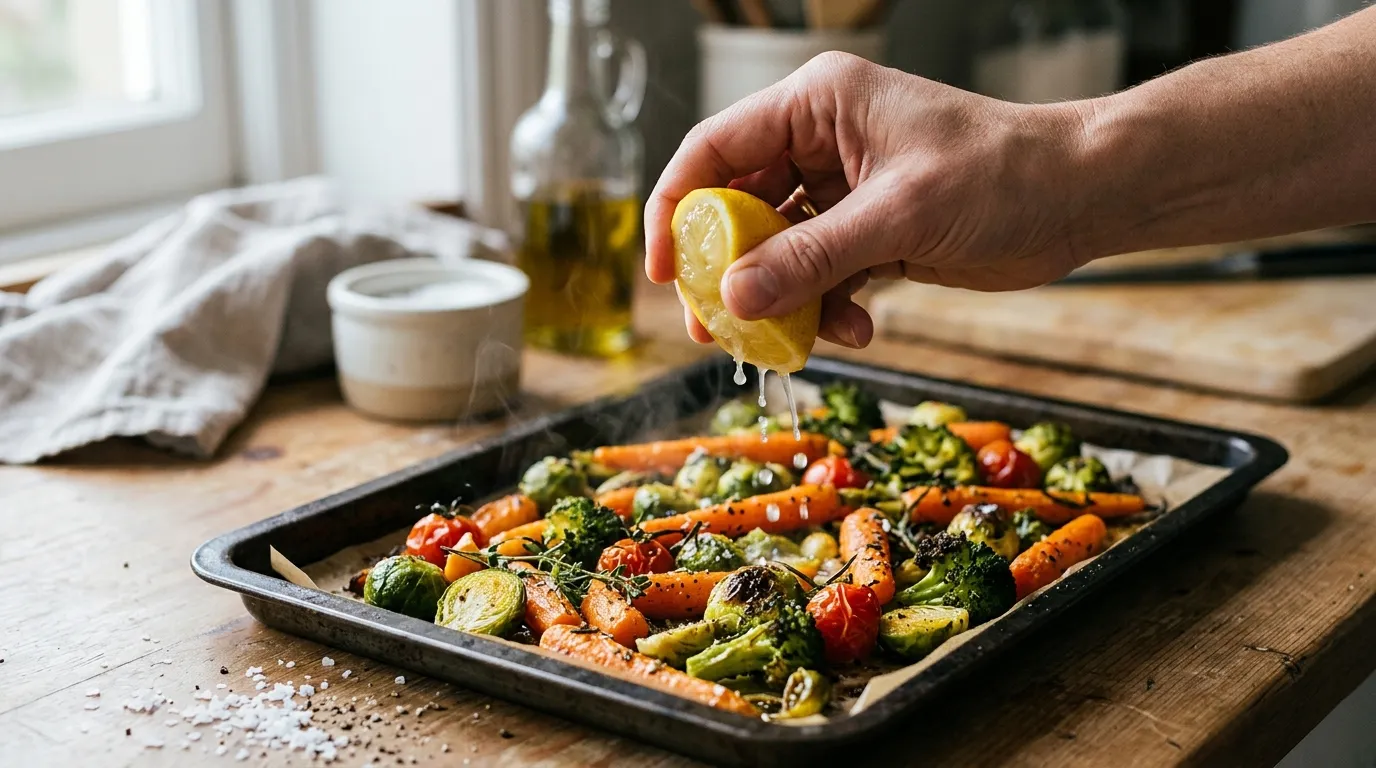
Once you know which category a vegetable falls into, you can cook it without looking anything up. Dense roots like potatoes, carrots, beets, and squash want long dry heat, so roast them at 425 for 35 to 45 minutes cut into similar sized pieces. Brassicas like broccoli, cauliflower, and brussels sprouts want high heat and hard contact with the pan, so roast at 425 or sear cut side down and leave them alone. Quick vegetables like asparagus, peppers, zucchini, and green beans want short fast heat, 15 to 20 minutes roasting or a few minutes in a very hot pan. Leafy greens split in two, either 30 seconds of high heat or 20 minutes of slow braising, with nothing useful in between. And watery vegetables like zucchini, cucumber, and cabbage need salting and draining before they go anywhere near a pan. On finishing, almost every cooked vegetable improves with acid at the end, a squeeze of lemon or a splash of vinegar off the heat, plus flaky salt. That single habit did more for my cooking than any recipe. The common mistake I would flag above all others is timidity with heat and oil. A tablespoon of oil per tray and a properly hot oven are not excessive, and undersalting is the other half of why home cooked vegetables taste flat compared to restaurant ones.
Frequently asked questions
How do I make vegetables taste better? Use higher heat, more space on the pan, and enough salt. Roasting at 425 degrees Fahrenheit in a single layer creates browning, which is where most of the flavour comes from, and a squeeze of lemon at the end lifts everything.
Why do my roasted vegetables come out soggy? The pan was crowded, the oven was not hot enough, or the vegetables were wet going in. Pat them dry, use two trays if needed so nothing touches, and do not stir more than once during cooking.
What is the healthiest way to cook vegetables? Steaming and quick roasting both retain nutrients well, and some nutrients actually become more available with cooking, such as lycopene in tomatoes. The bigger factor is whether you eat them at all, so the method you enjoy is usually the right one.
How do I get kids to eat more vegetables? Roasting rather than boiling helps a lot, since browning brings out sweetness. Serving vegetables as a separate component people add themselves also works better than mixing them into a dish, and keep offering without pressure.
Can I use frozen vegetables in these recipes? Yes for soups, braises, and stir fries, though frozen vegetables release more water so use higher heat and do not thaw first. For roasting, frozen works reasonably for green beans and broccoli but never crisps quite like fresh.
Final thoughts
The vegetables in my fridge used to be the thing I felt vaguely guilty about, sitting there going soft while I made something else. Now they are usually the part of dinner I plan first, and none of that came from willpower or a health kick. It came from turning the oven up.
So try one thing this week, roast a tray at 425 with real oil and real salt and a lemon at the end, and see whether it changes your mind. Come back and tell me what you roasted, because I am always looking for a new one to add to the rotation.