There is a whole genre of plus size styling advice that is really just a list of things you are supposedly not allowed to wear. No horizontal stripes, nothing tight, nothing bright, nothing cropped, and above all nothing that draws attention.
I followed most of that for years.
And the result was a wardrobe full of shapeless dark clothes that I did not enjoy wearing and that did not actually look good either. What changed things was ignoring the rules entirely and focusing on two things instead, fit and proportion, which is the same thing that makes clothes look good on anybody.
What actually makes an outfit work
Fit does most of it. Clothes that skim rather than cling or drown you will look expensive at any size, and the most common styling problem I see is buying a size up to hide something, which adds bulk exactly where you did not want it. A garment that fits your widest measurement and is then adjusted elsewhere beats a garment that fits nowhere.
Proportion does the rest. If a garment is loose, pair it with something fitted, so a voluminous top with a straight leg trouser, or a wide leg trouser with something tucked or closer to the body. Loose on loose reads as shapeless, and fitted on fitted can feel like a lot depending on your comfort. I noticed the day I started tucking my tops even loosely at the front that my outfits looked considerably more deliberate, and the clothes had not changed at all.
1. A wide leg trouser with something tucked
Wide or straight leg trousers with a fitted knit or a tee tucked at the front only. The tuck creates a waistline and the trouser gives length, which is why this combination shows up in every well dressed person’s rotation. Look for a trouser that sits at your natural waist rather than below it.
2. A column of colour with a contrast layer
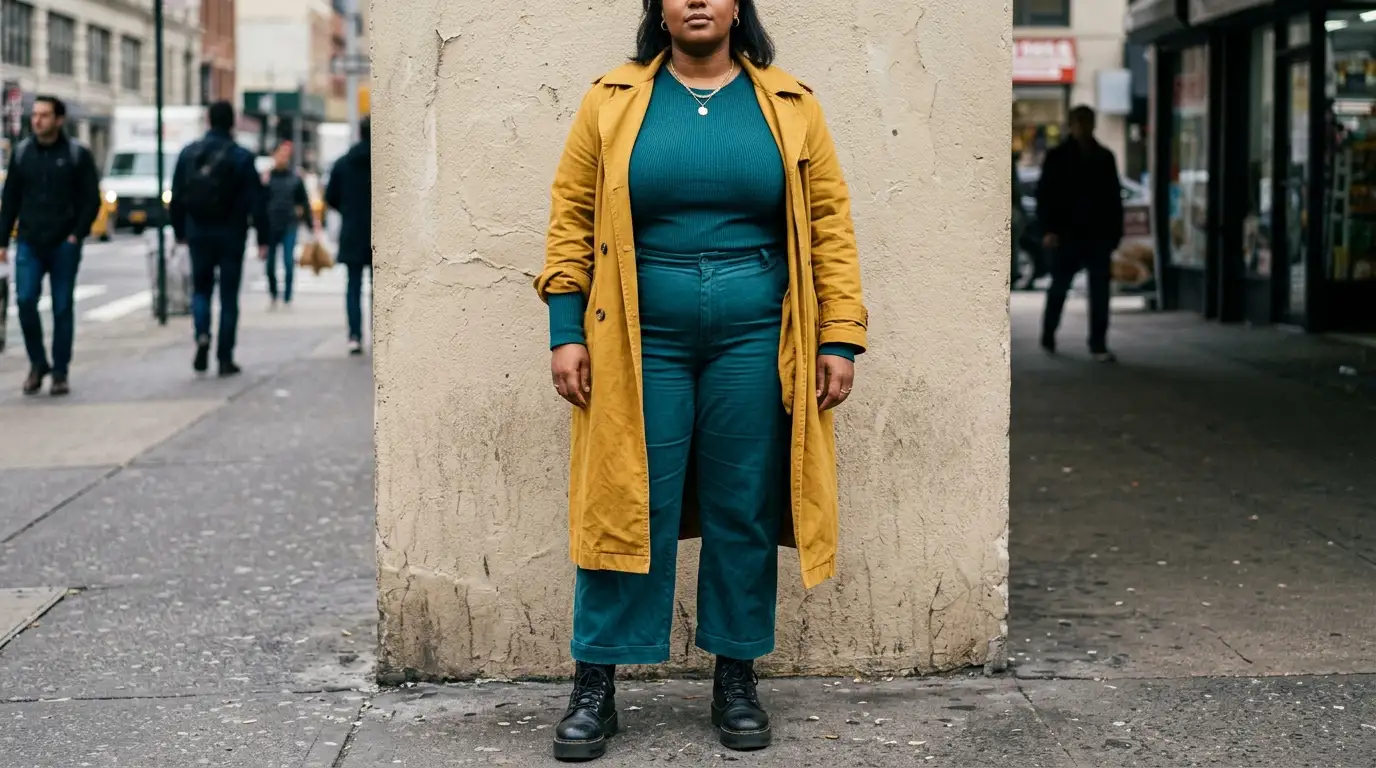
One colour top to bottom, then a jacket or cardigan in a different shade left open over it. The unbroken column reads as long and the open layer adds vertical lines. This works with any colours you like, not just black, which is the version people are usually sold.
3. A shirt dress with a real belt
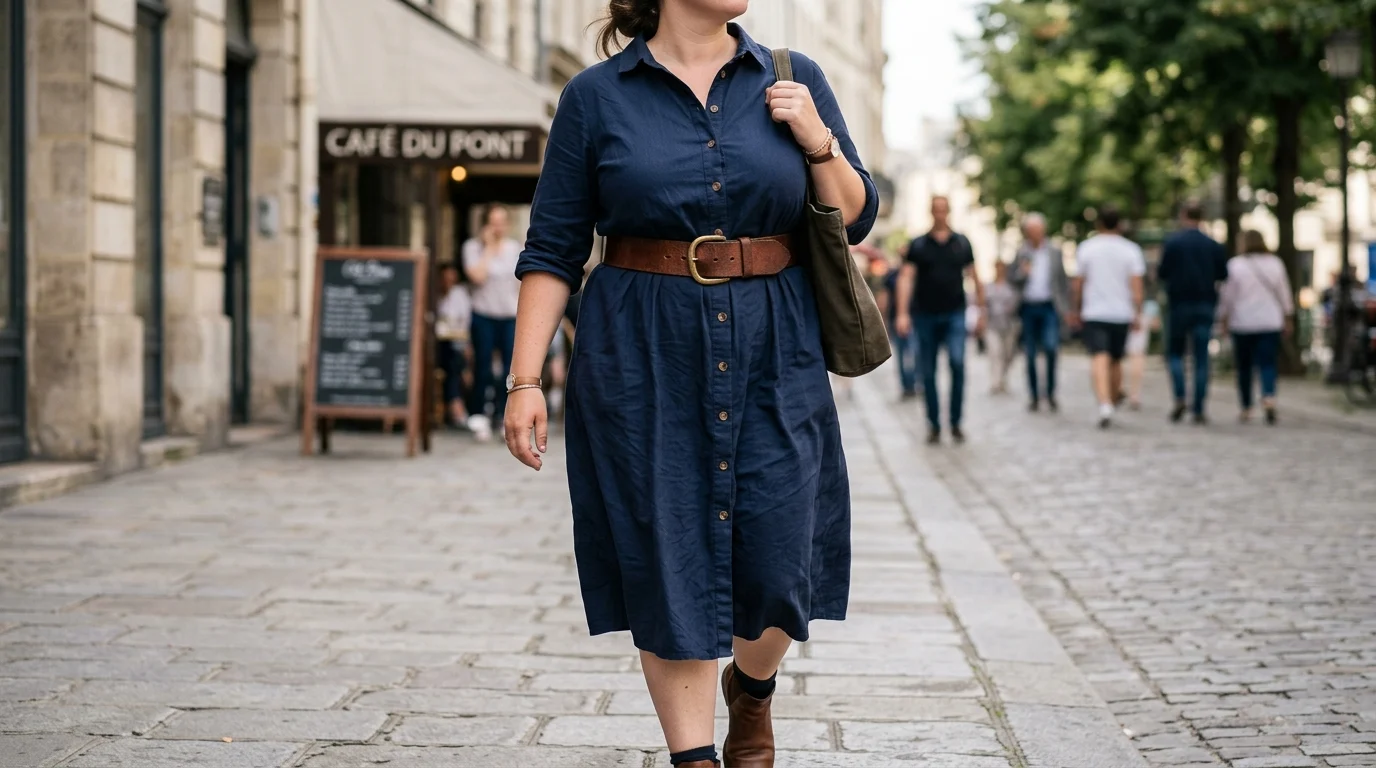
A button through dress with a proper belt at the narrowest part of your torso, which for many people is above the natural waist rather than at it. Skip the flimsy self fabric belt that comes with it, since a real leather or wide fabric belt holds shape far better and does not disappear into the dress.
4. Straight or wide leg jeans over skinny
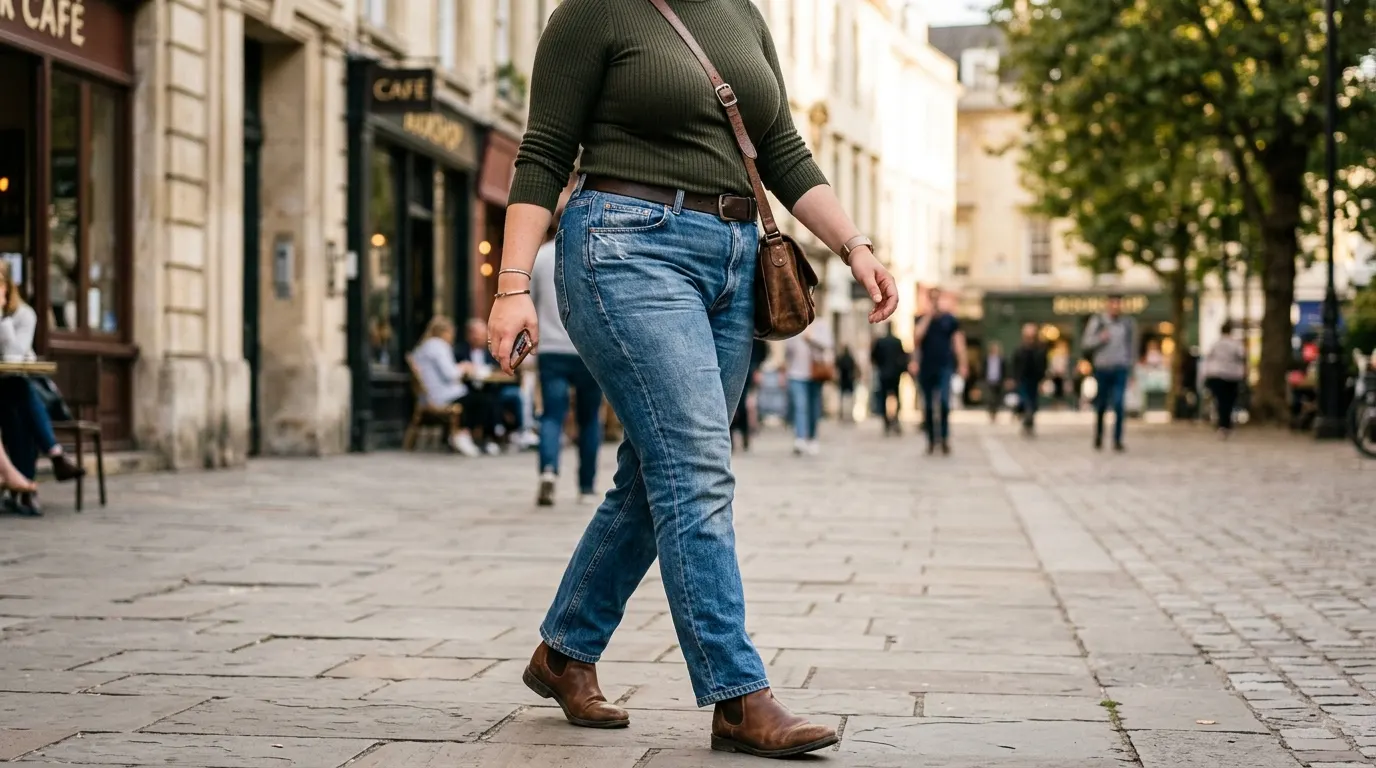
The current cut is on your side. Straight, wide, and barrel leg jeans balance hips and thighs far better than a skinny cut, which narrows sharply at the ankle and exaggerates the contrast. Look for jeans with real stretch and a contoured waistband if you get gaping at the back.
5. A blazer that fits the shoulders
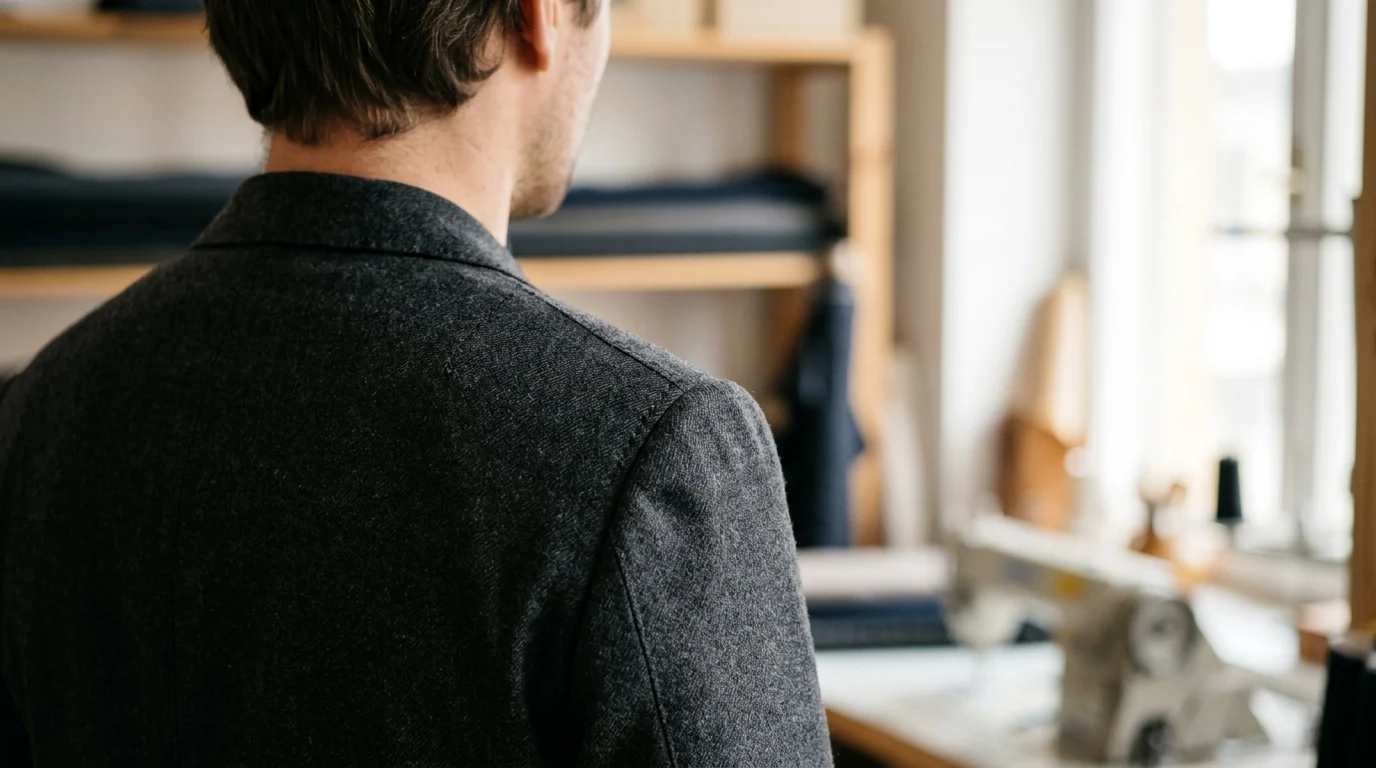
Shoulders are the one thing tailoring cannot easily fix, so buy for the shoulder seam sitting where your shoulder ends and get the rest adjusted. A blazer that fits properly through the shoulder and is nipped slightly at the waist does more for an outfit than almost any other garment.
6. Prints, including the ones you were told to avoid
Horizontal stripes, large florals, bold checks. The old rules about prints were never true, and a large scale print often works better than a tiny one, which can read as busy. Wear the print in the place you want the eye to go, which is a much more useful principle than avoiding it.
7. A midi skirt with a defined waist
Bias cut, A line, or a straight midi that hits at the narrowest part of your calf, usually just below the widest point. Tuck something in or wear a shorter top so the waist is visible. The length matters more than the shape here, so try a few and look at where the hem lands.
8. A short sleeve or sleeveless top, if you want one
Sleeve anxiety is the most common thing I hear and it is worth pushing back on. A well fitted sleeveless top with a good armhole looks better than a loose cap sleeve that catches at the widest part of your arm. If you want coverage, a three quarter sleeve is more flattering than a short one that ends mid bicep.
9. Monochrome with texture rather than pattern
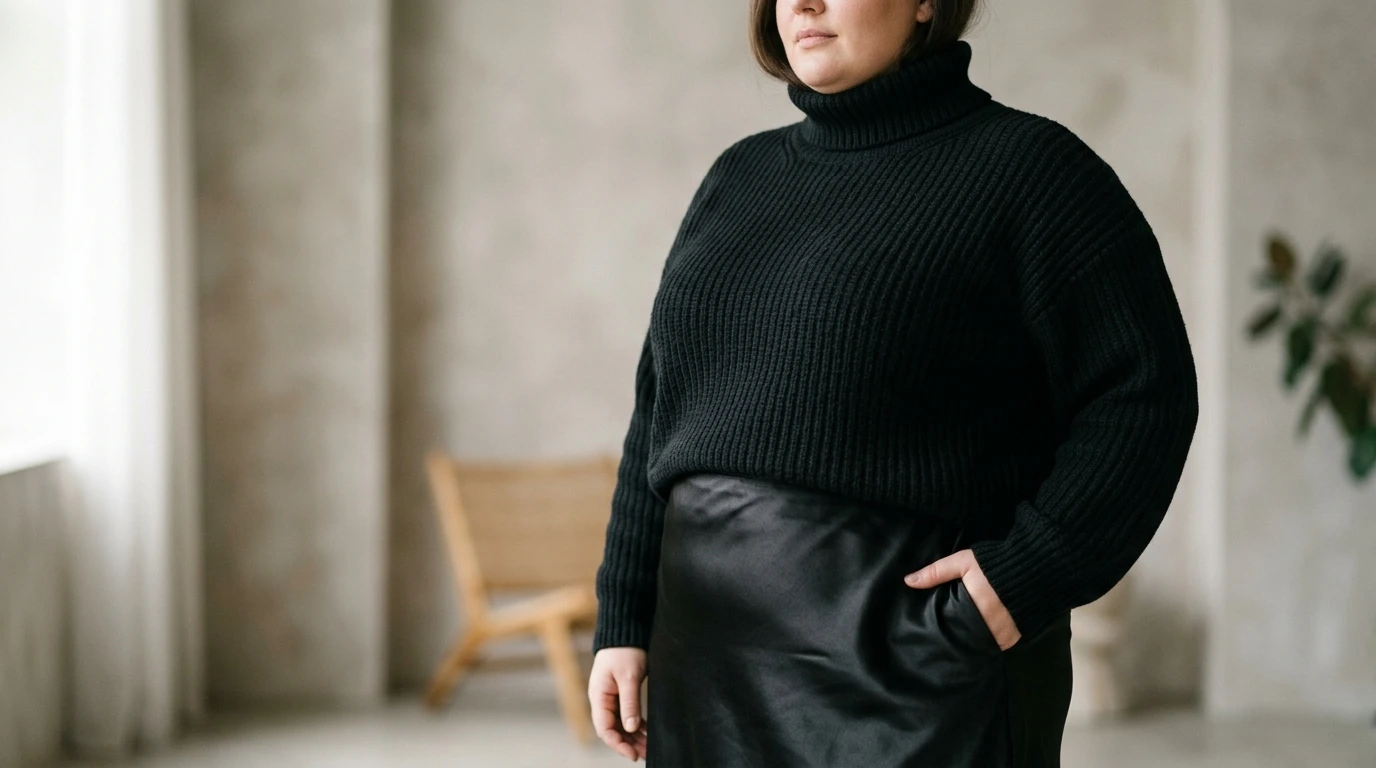
Head to toe in one colour but mixing fabrics, so a knit with a satin skirt, or linen with denim. It has the lengthening effect of monochrome without looking flat or severe. This is my most worn formula for anything where I want to look put together with no thinking.
10. Structured fabrics over clingy ones
Ponte, thick cotton, twill, denim, heavier linen, and structured knits hold their shape and skim the body. Very thin jersey and slinky fabrics show every line underneath, which is fine if that is what you want and frustrating if it is not. Fabric weight is doing more work than cut in most outfits.
11. One fitted piece in every outfit
Whatever else is going on, have one thing that follows your shape, whether that is the top, the trouser, or a belt. Fully oversized outfits can look great and they need at least one anchor point to stop reading as shapeless. This is the single rule from this list I would actually keep.
12. Shoes that do not stop the line
A shoe in a tone close to your skin or your trouser colour keeps the leg line unbroken, while a contrasting ankle strap visually cuts the leg. Not a rule you have to follow, just a lever you can use. Comfortable flats do this as well as heels do, so it is not a height thing.
How to build a wardrobe that actually works
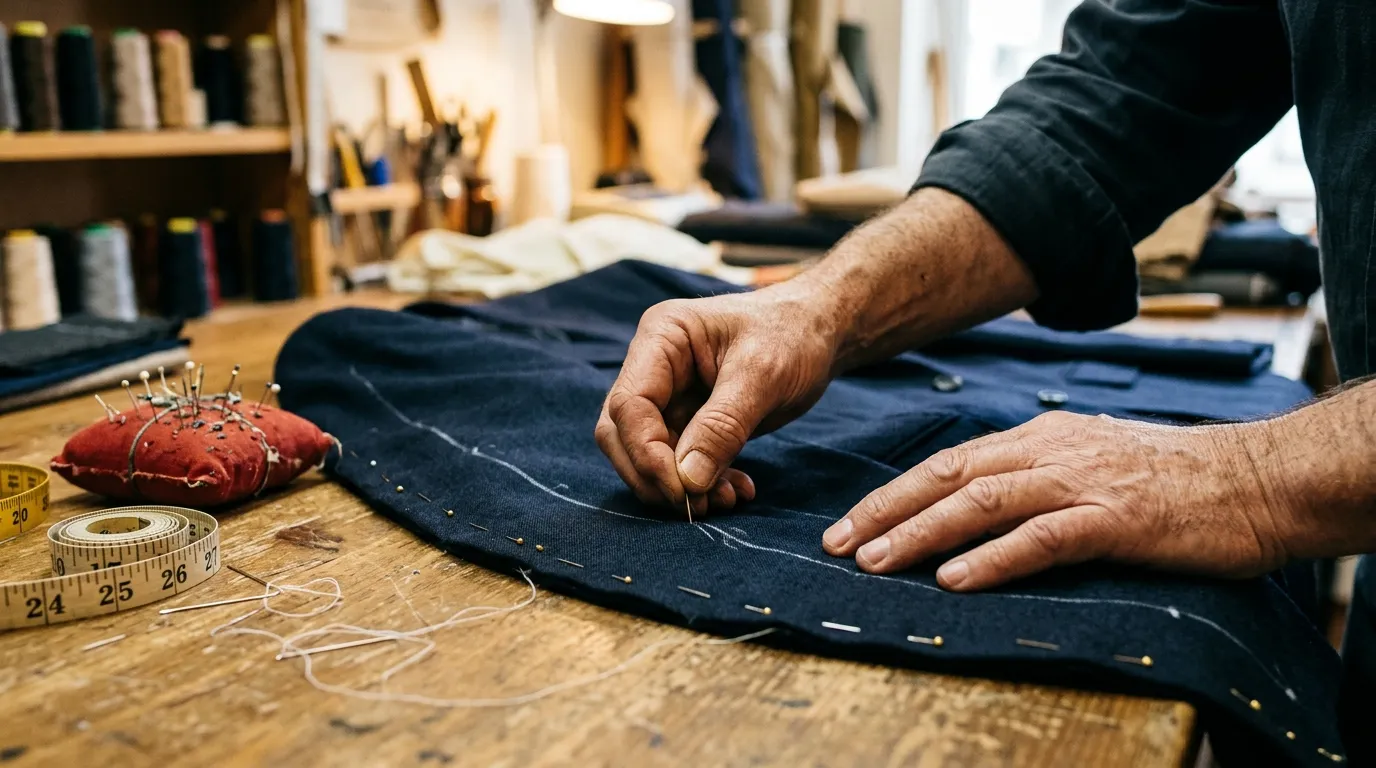
Start with fit rather than shopping. Get three things you already own tailored, usually a trouser hem, a blazer waist, and a dress that fits everywhere except one place, and see how differently they wear. Tailoring costs far less than people expect and it is the single biggest upgrade available, particularly in plus sizes where brand sizing varies enormously. On sizing, ignore the number entirely and buy for your largest measurement, then adjust. Brands are wildly inconsistent, and a size that fits in one shop will be two sizes off in the next, so measuring yourself once and keeping the numbers in your phone saves a lot of frustration with online ordering. On building outfits, pick a formula and repeat it. Mine is wide leg trouser, fitted top tucked at the front, open layer, and I own several versions of each piece so I can get dressed without thinking. And the honest advice underneath all of this, wear what you actually like the look of. The rules about hiding, minimising, and drawing attention away are not styling principles, they are just fashion telling people to take up less space, and the best dressed people I know at every size are the ones who ignored that entirely.
Frequently asked questions
What should I look for when buying plus size clothes? Fit through the shoulders and the widest part of your body first, since those are hardest to alter, and structured fabrics that hold shape rather than cling. Buy for your largest measurement and get the rest tailored.
Can plus size women wear horizontal stripes and bold prints? Yes. The old rules about prints were never based on anything reliable, and larger scale prints often work better than small busy ones. Wear the print where you want the eye to go.
What jeans are best for a plus size figure? Straight, wide, and barrel leg cuts balance proportions better than skinny jeans, which taper sharply and exaggerate contrast. Look for real stretch and a contoured waistband to avoid gaping at the back.
How do I look put together without wearing all black? Try a column of one colour with a contrasting open layer, or monochrome in a colour you like with mixed textures. Both give the same lengthening effect as black without the severity.
Is tailoring worth it for plus size clothing? It is probably the best money you can spend on your wardrobe. Brand sizing is inconsistent in plus sizes, so a hem, a waist nip, or a sleeve adjustment turns a garment that almost fits into one that looks made for you.
Final thoughts
The best change I made was not a shopping trip. It was taking four things to a tailor and realising that my clothes had been the problem rather than my body, which is a fairly ordinary realisation that somehow takes a lot of people a long time to reach.
So pick one thing you own that almost works, get it adjusted, and see how it feels. Come back and tell me what you had done, because the blazer waist nip is the one I would recommend first and it costs about the same as lunch.