I went in asking for a French bob and my stylist quietly talked me out of it. She said my hair would fight the sharp line and I would hate it by week three, which was almost certainly true.
What she gave me instead was an Italian bob. Slightly longer, softer through the ends, and about a hundred times easier to live with.
So here is what the cut actually is, plus the details that decide whether it works on your hair. Number three is the phrase to use in the salon, and it will get you a much better result than showing a photo alone.
What an Italian bob actually is
It sits around the jaw or just below it, with soft body through the ends rather than a razor sharp blunt line. Think of it as the relaxed cousin of the French bob, which is shorter and much more graphic.
The defining feature is that the ends curve slightly inward and have movement in them, so the whole shape reads soft rather than architectural. That is why it suits wavy hair so well and why it does not need the daily round brush session that a blunt bob demands. Which, if you are anything like me on a Tuesday morning, matters quite a lot.
1. The length is jaw to just below

Anywhere from your jawline to about two centimetres below is the sweet spot. Shorter starts becoming a French bob and it gets much more demanding. Ask your stylist to check where the ends land against your face before cutting, since a bob that finishes at the widest part of your cheek adds width there.
2. Soft ends, not a blunt line

The perimeter should have a little movement rather than being cut dead straight. Not layered exactly, just softened. This is what stops it looking severe and it is the main visual difference from a standard bob, so make sure your stylist understands you want that softness.
3. Say soft body through the ends, not layers
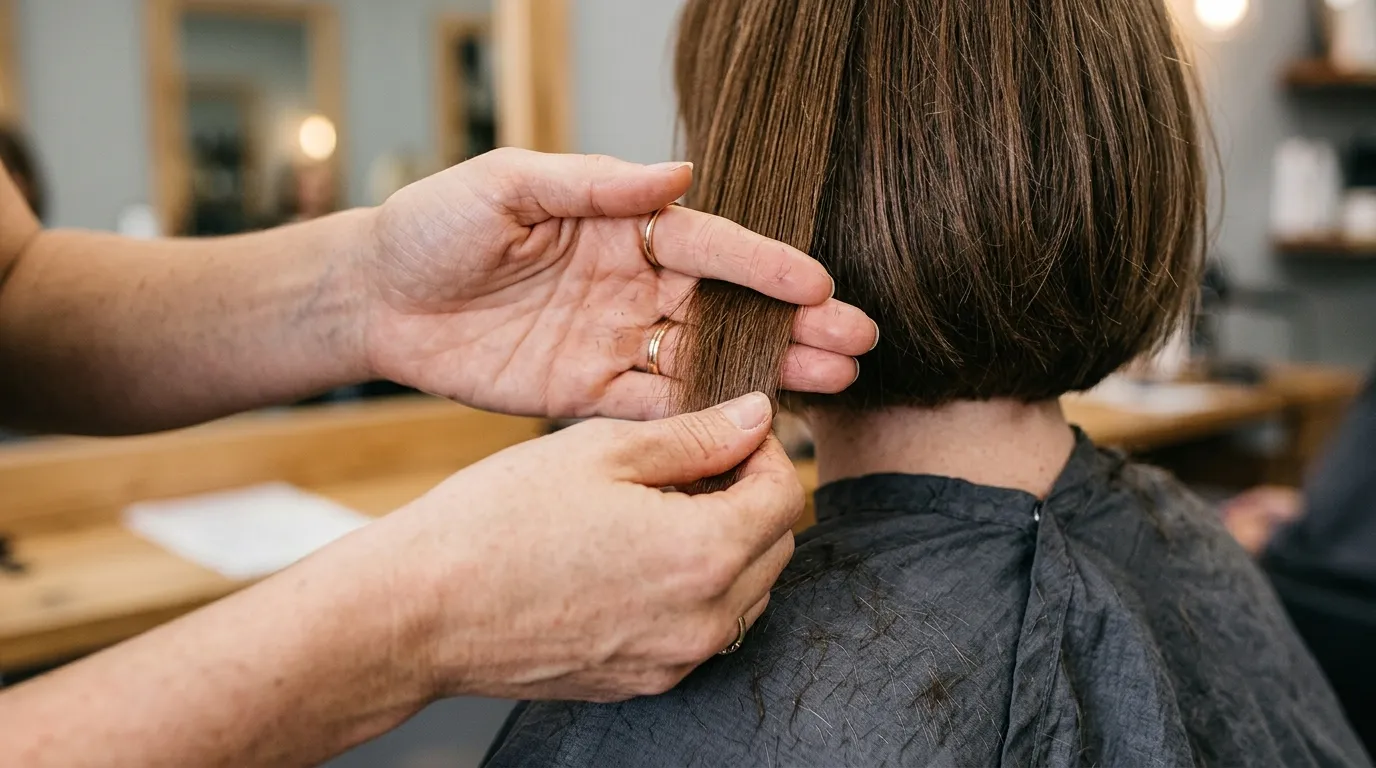
Here is the phrase. If you ask for layers you may get proper layering through the whole head, which is a different cut entirely. Say you want a jaw length bob with soft body through the ends and a slightly rounded shape. That specific wording gets you the right thing.
4. It suits wavy hair best
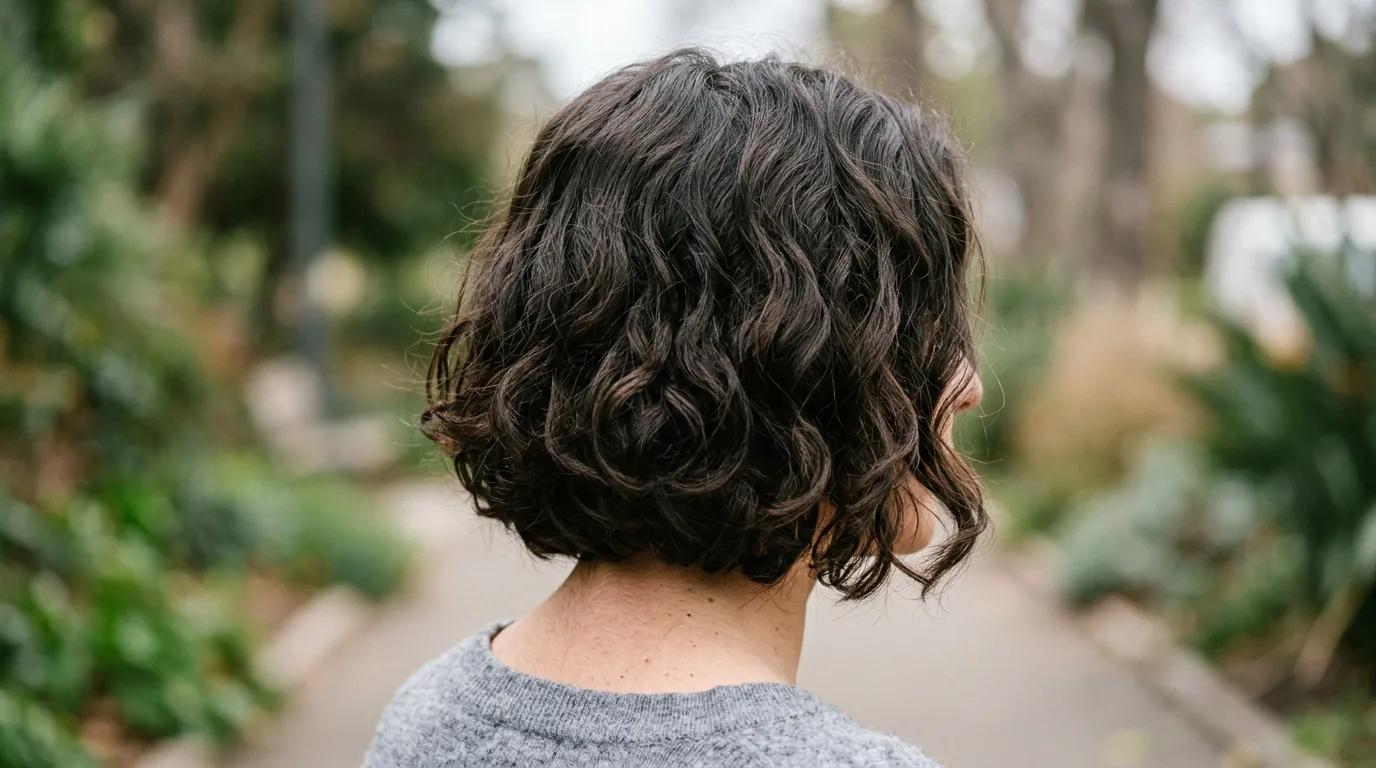
Natural wave does most of the work here. The soft ends and the slight inward curve happen on their own, which means air drying looks intentional rather than messy. If you have wavy hair and have avoided bobs because they seemed high maintenance, this is your version.
5. On straight hair it needs a bit of help
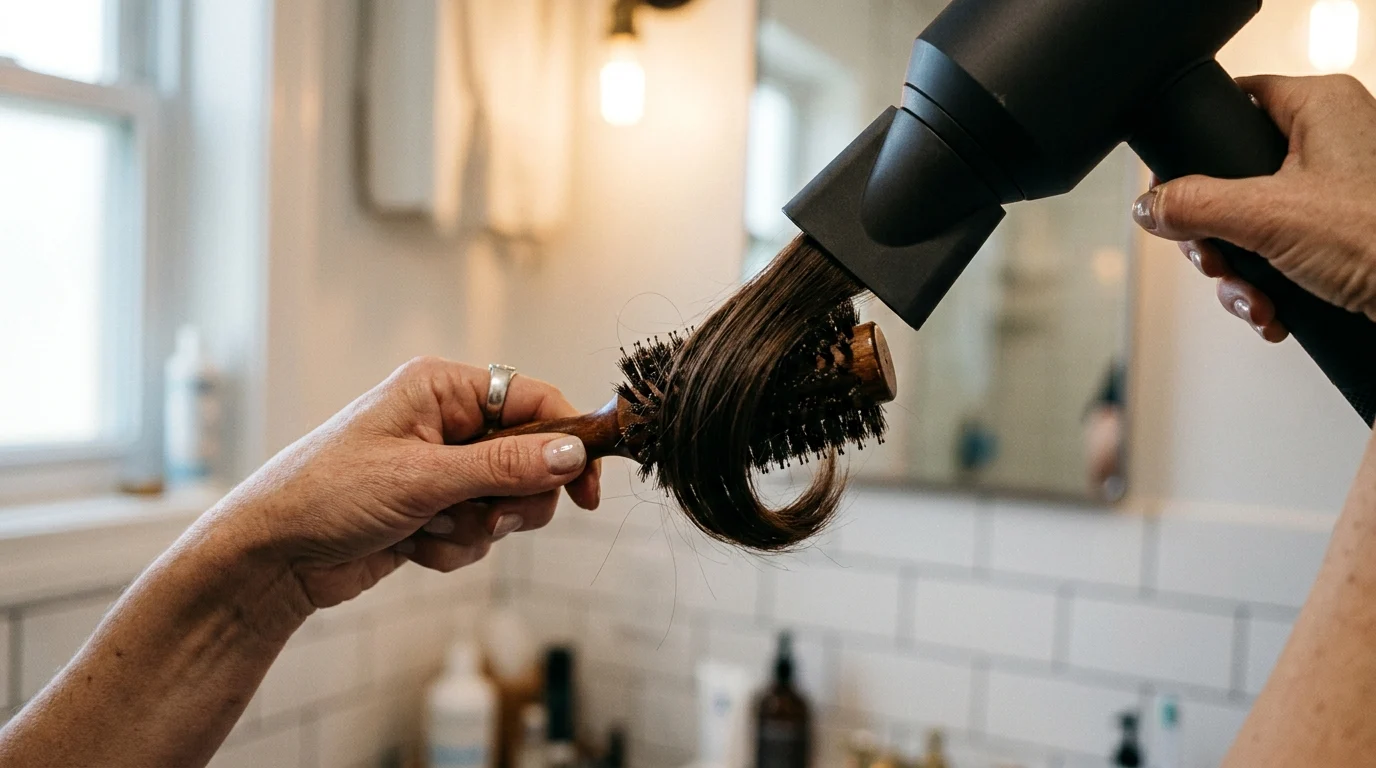
Straight hair will hang flat unless the ends are given some shape. Ask for the very ends to be lightly beveled inward, and expect to spend two minutes with a round brush or a curling wand on the bottom few centimetres. Not the whole head, just the ends.
6. Thick hair needs internal weight removed

Left untouched, thick hair in a bob goes triangular within about six weeks. Ask for weight taken out through the interior rather than texturising at the ends, since thinned ends on a bob look wispy and undo the soft rounded shape you are after.
7. Add a middle part for a softer look
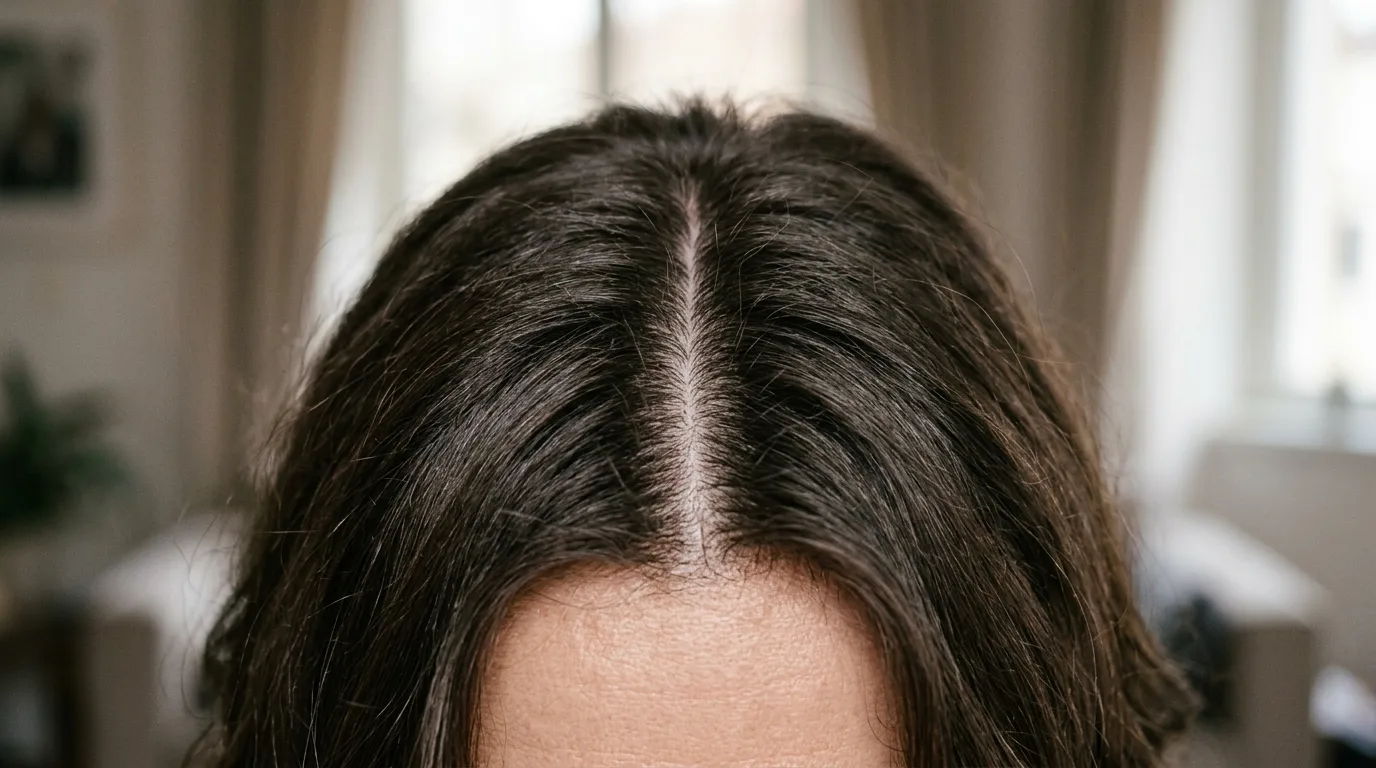
A centre part suits the Italian bob particularly well because it frames the face symmetrically and plays into the softness. A deep side part gives a more retro feel, which is lovely but a bit more of a statement. Try both in the salon before you leave.
8. Curtain bangs go with it beautifully

If you want bangs, long curtain ones reaching the cheekbone are the natural pairing. They blend into the length rather than sitting as a separate element, and they grow out without needing a trim every fortnight. Ask for them longer than feels right.
9. Air dry with a light cream

Damp hair, a small amount of styling cream through the mid lengths and ends, then leave it alone. Scrunching lightly as it dries encourages the inward curve. This is the routine that takes about ninety seconds, which is genuinely why I still have this cut.
10. Tuck one side behind your ear

Small thing that changes the whole look. Tucked on one side, loose on the other, and the asymmetry softens the shape instantly. It is what I do when my hair has decided to do its own thing that day, and nobody has ever noticed it was not deliberate.
11. Trim every eight to ten weeks
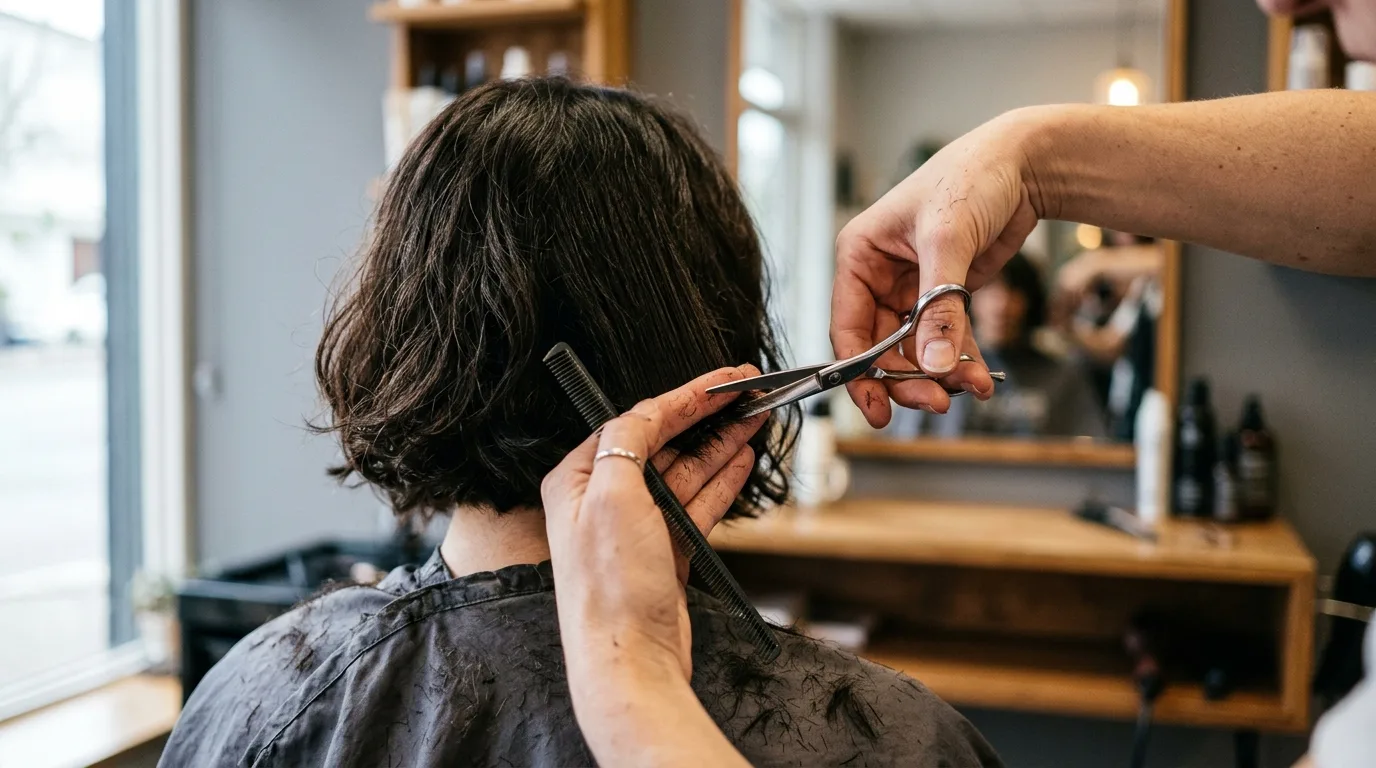
More forgiving than a blunt bob, which needs a trim every six. Because the ends are soft rather than sharp, the shape blurs gradually instead of looking obviously grown out. Around week ten is when mine starts feeling shapeless.
12. It grows out into long layers

The quiet advantage. As it grows, the shorter front sections become face framing and the shape softens into a long layered cut rather than an awkward in between. That makes it far less of a commitment than most short cuts, which is worth knowing if you are nervous.
How to decide whether it suits you
Start with your hair texture. Wavy hair is the ideal match, straight hair works with a little end styling, and thick hair works provided the interior weight is removed properly. Very fine hair can struggle slightly, since the soft ends can look thin, and a blunter bob usually gives fine hair more perceived density.
Then check the length against your face. Hold your hair at the jaw and look straight on in a mirror. If the ends land right at the widest point of your cheeks or jaw, ask for it a couple of centimetres longer, since that small adjustment is the difference between a cut that flatters and one that widens. I skipped that check on an earlier bob and spent four months growing it out. Also worth telling your stylist if you air dry, because they will shape the ends differently for someone who never picks up a round brush.
Frequently asked questions
What is the difference between an Italian bob and a French bob? A French bob is shorter, usually chin length, with a blunt graphic line and often a fringe. An Italian bob sits slightly longer at the jaw or just below with softer ends and more body, which makes it easier to wear day to day.
Does an Italian bob suit curly hair? It can, though it must be cut dry and curl by curl to account for shrinkage. Wavy hair suits it most naturally, since the soft ends and inward curve happen without any styling.
How do I ask for an Italian bob? Ask for a jaw length bob with soft body through the ends and a slightly rounded shape, rather than asking for layers. Saying layers often gets you a fully layered cut, which is a different look entirely.
How often does it need trimming? Every eight to ten weeks. The soft perimeter means it blurs gradually as it grows rather than looking obviously out of shape, which is more forgiving than a blunt bob.
Is an Italian bob high maintenance? Not particularly, especially on wavy hair where air drying with a little cream is enough. Straight hair needs a couple of minutes on the ends with a round brush or wand to create the soft inward curve.
Final thoughts
This is the only short cut I have had that still looked good on a day I did nothing to it. That alone puts it ahead of every blunt bob I have tried, and I have tried a few.
If you are considering it, book a consultation and use the exact wording about soft body through the ends. Ten minutes of that conversation is worth more than any photo, and it is what got me a cut I have kept for over a year now.