The first time I asked for honey hair, I showed a photo and got something the colour of a corn chip. Warm, yes. Golden, technically. But flat and orange in a way the photo absolutely was not.
The difference, I learned much later, was depth. Real honey has darker bits and lighter bits inside it, and a single flat shade never reads the same way.
So here are twelve versions worth asking for, sorted roughly by how much lifting each one needs. Number nine is the maintenance thing that saved my colour, and I wish someone had told me in year one.
What actually makes honey look like honey
Honey is a warm blonde with gold in it, sitting somewhere around level 7 to 8. Not platinum, not caramel brown, right in that golden middle. And the good versions always have dimension, meaning two or three tones woven together rather than one solid coat.
The other half of it is your skin. Honey suits warm and neutral undertones beautifully. On very cool, pink-toned skin it can look slightly jaundiced unless the colourist keeps it on the beige side of gold, which is a real conversation to have before they mix anything.
1. Classic golden honey
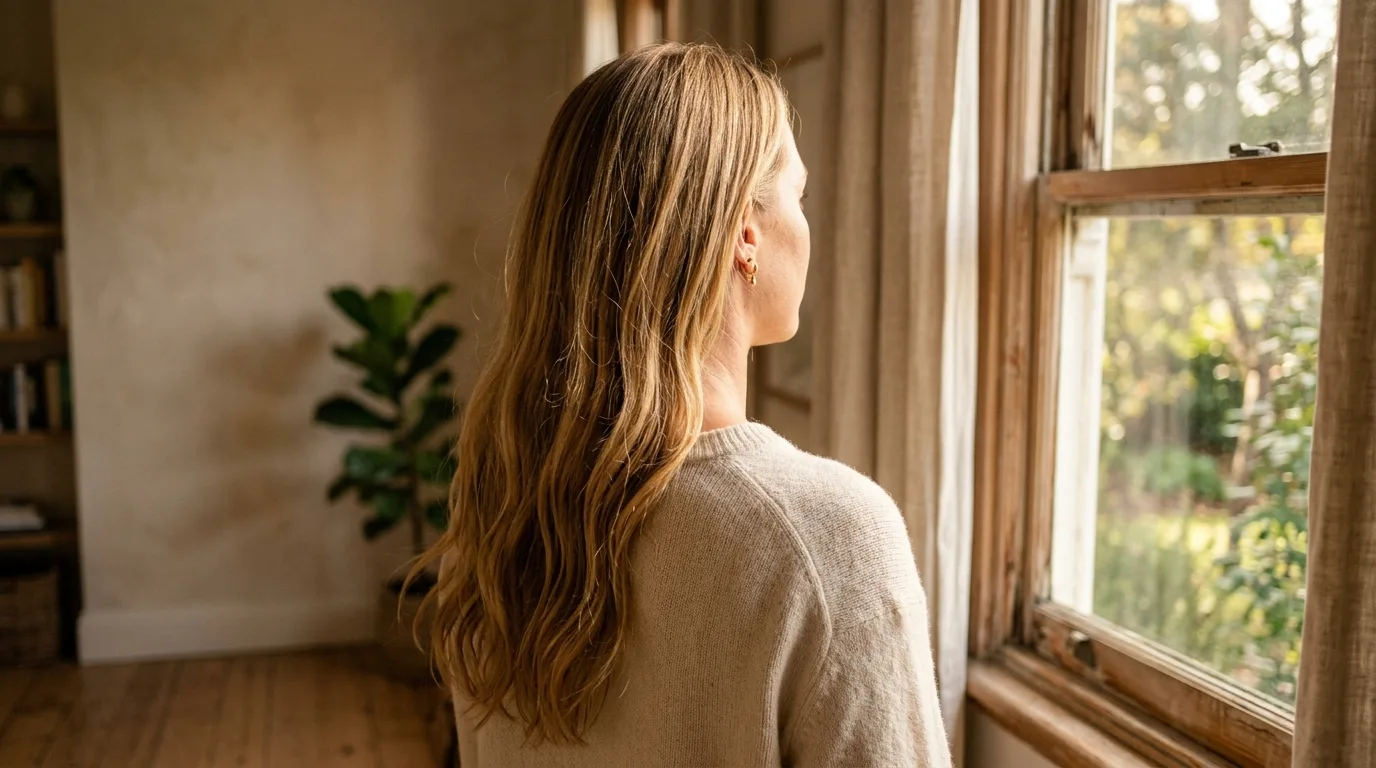
The base version everyone pictures. A warm, medium blonde with real gold running through it, usually two to three levels lighter than natural medium brown. Ask for it as a full head balayage rather than a global colour, so the roots stay slightly deeper and the whole thing reads as sunlight rather than dye.
2. Honey blonde balayage on brown hair
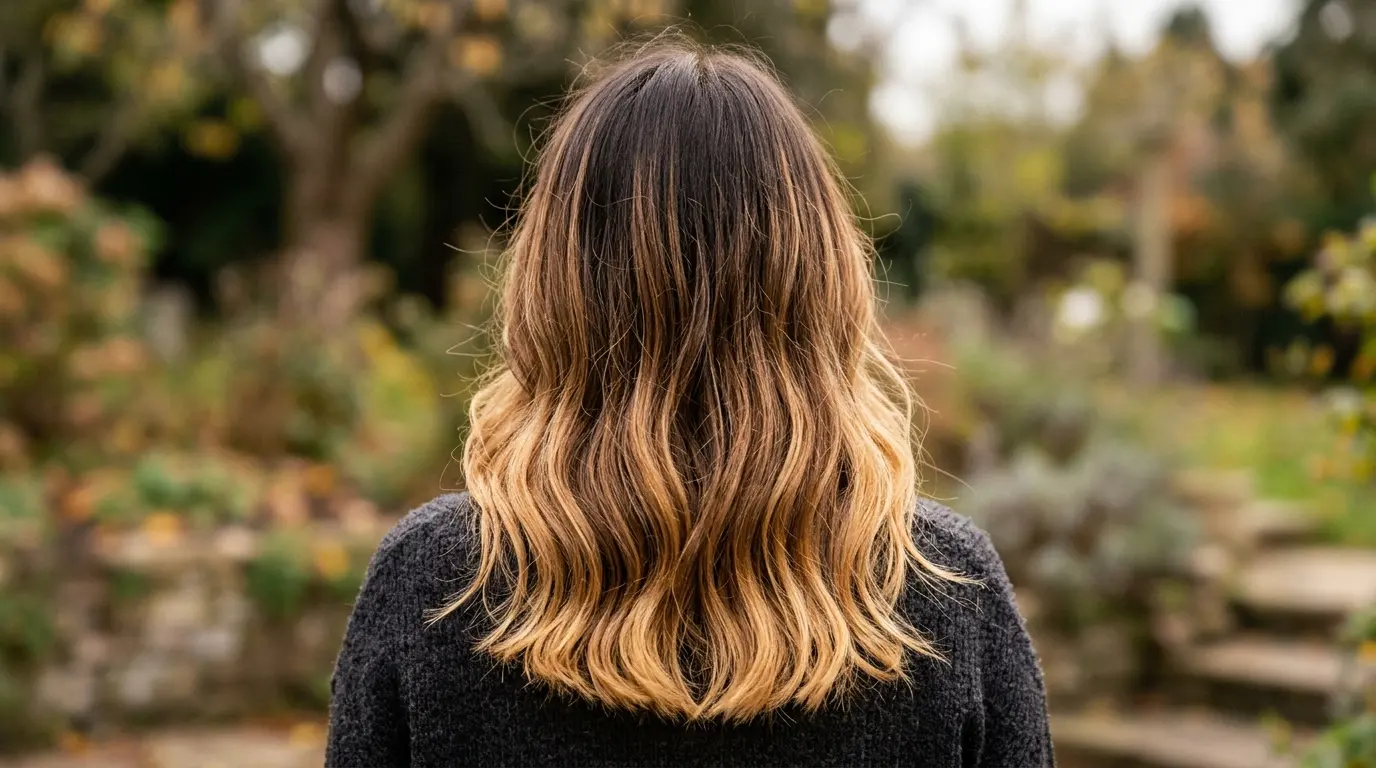
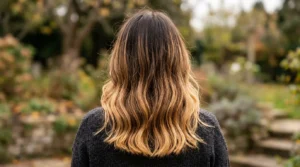
My favourite entry point if you have dark hair. Painted lightness through the mid lengths and ends only, natural depth kept up top. Damage stays limited to the sections that get lifted, and grow out is invisible for months, which means two salon visits a year instead of six.
3. Beige honey for cool skin tones
Gold with the orange pulled out of it. This is the one to ask for if you have pink undertones and every warm blonde has made you look flushed. Bring it up specifically, since most colourists default to a full gold formula and beige honey needs a deliberate toner choice.
4. Honey with lowlights
Woven darker strands, usually a level 5 or 6 warm brown, mixed back through. It stops the colour looking flat and it makes the blonde bits look brighter by contrast. And when it fades, lowlighted honey fades far more gracefully than an all-over lift, since there is depth already built in.
5. Dark honey brunette
For anyone who wants warmth without going blonde. Think a rich brown with honey tones only visible in sunlight. It is one to two levels of lift at most, so damage is minimal, and it suits people who cannot commit to blonde upkeep but want their hair to catch light.
6. Honey money piece
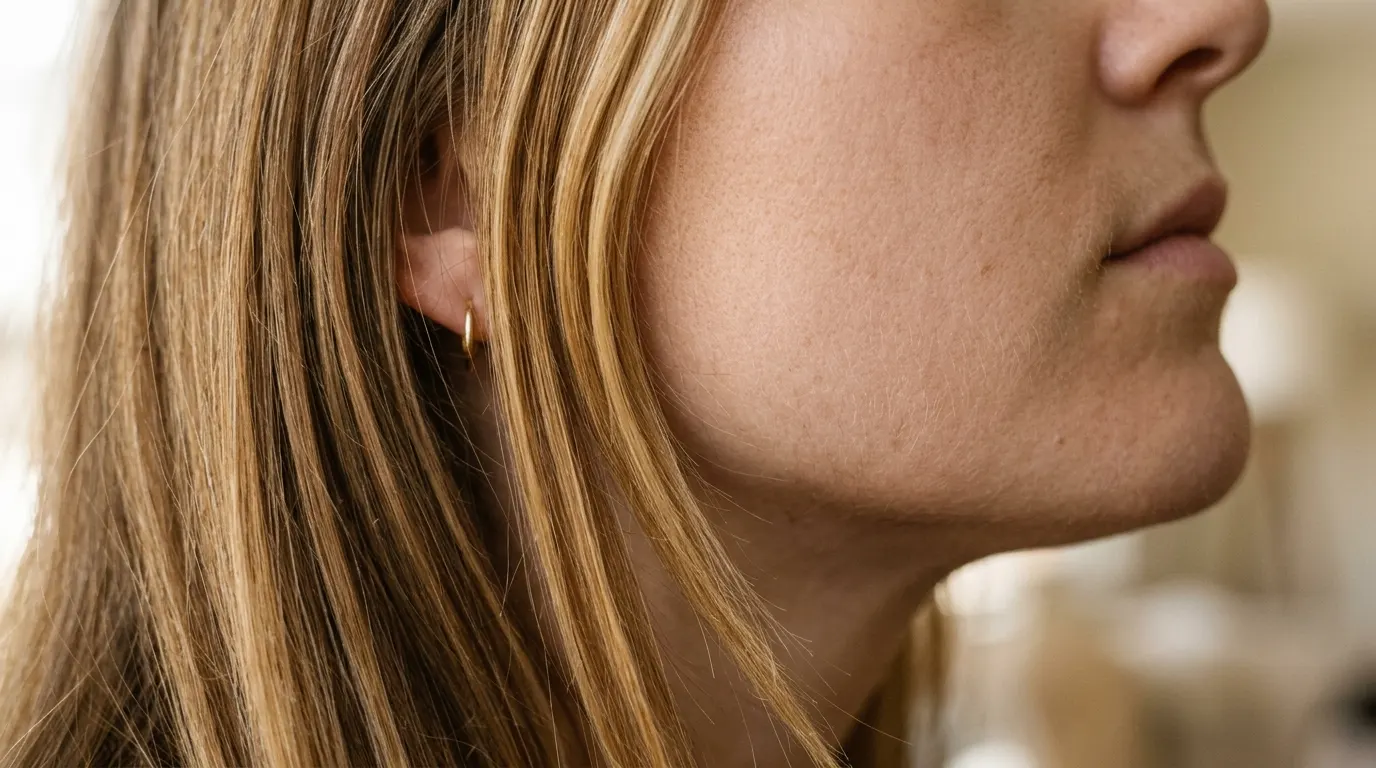
Two brightened sections framing your face, the rest left as is. Highest impact per hour of processing on this entire list. My tip: ask for the lightest point to sit at cheekbone level and blend downward, because starting the brightness right at the root makes grow out obvious within three weeks.
7. Sun-kissed honey ends
Lighter only through the last few inches, like hair that has been in the sea all summer. Very low maintenance and very forgiving. If you are nervous about blonde, this is the version to try, since you can literally cut it off if you hate it.
8. Honey with a shadow root
A deliberate darker root melted into the honey through the mid lengths. It buys you eight to ten weeks between appointments instead of four to six. I have stretched mine to eleven weeks with a shadow root and nobody noticed, which is not something I could ever say about a solid blonde.
9. Glossed honey, and why it matters
Not a colour so much as maintenance. A demi-permanent gloss over your existing honey, every six to eight weeks, at about a third the price of a full colour. It kills brass, restores shine, and takes twenty minutes. This single habit is what fixed my colour after a year of fighting it.
10. Honey with copper woven through
Warmer and richer, especially good in autumn. Copper strands through a honey base give it a slightly amber depth that reads expensive under warm light. Copper pigment escapes the hair shaft fastest of all, so expect it to soften after four to five weeks and plan accordingly.
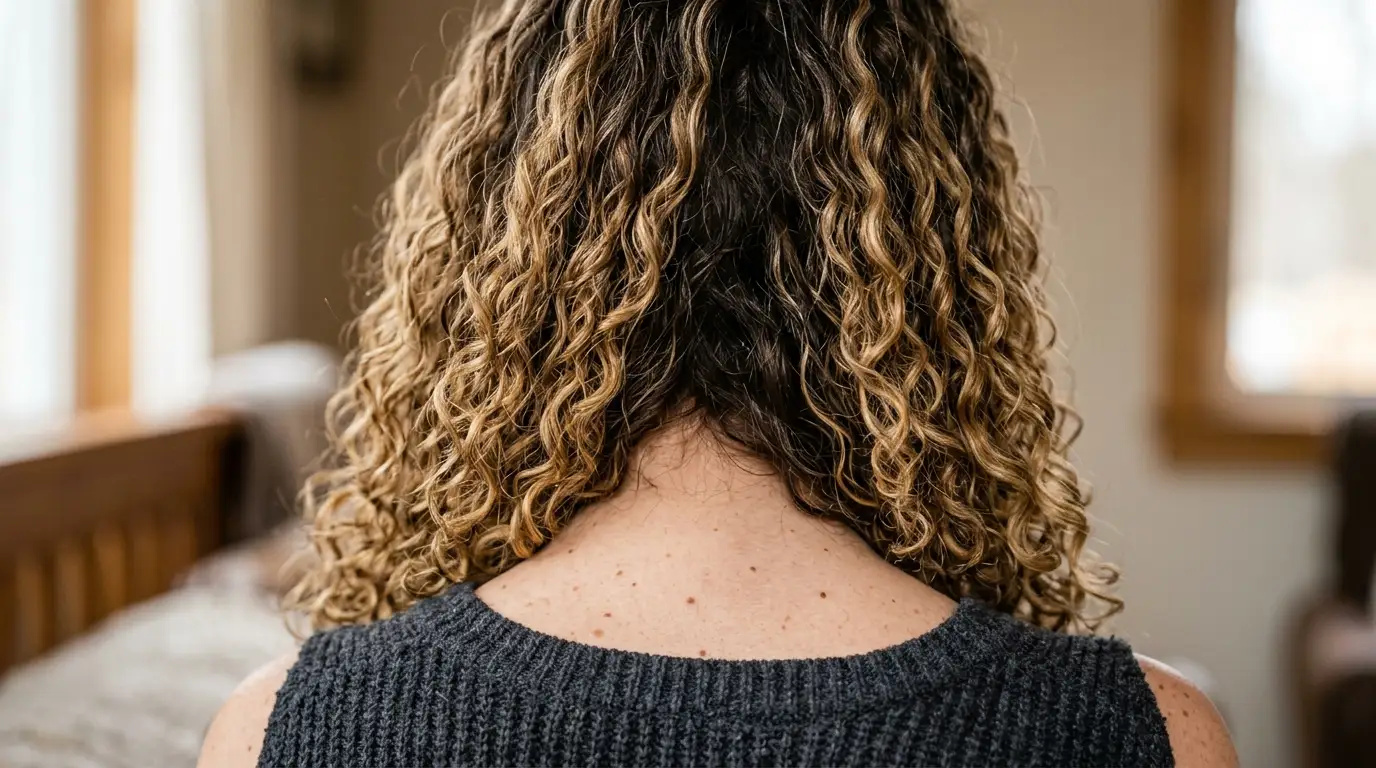
11. Honey on curls and coils
Genuinely stunning, because curl pattern creates its own light and shadow and the colour looks dimensional automatically. Go deposit-only or minimal lift where you can, since curly hair is more porous and lifts faster than you expect. And bond builder treatments are not optional here, they are the difference between defined curls and frizz.
12. Grown-out honey, worn on purpose
Six months post appointment, roots deep, ends soft and pale. It looks intentional if the transition is gradual and the ends are in good condition. This is where I live between appointments now, and honestly it is the version people compliment most, which says something about how hard we all try.
How to stop it going brassy, which is the real question
Brass is warmth that has tipped too far orange, and it happens because your hair’s underlying warm pigment shows through as the toner washes out. Toner is temporary. It always fades, usually in four to six weeks, so the goal is managing it rather than preventing it.
Use a purple shampoo once a week, not every wash, because overuse leaves a dull grey cast that people mistake for damage. Between washes, a blue-toned conditioner works better on honey specifically, since blue cancels orange while purple cancels yellow, and honey brass leans orange. Wash in cooler water, use a filter if your water is hard, and keep the hair out of chlorine, which turns warm blonde green faster than anything. And book a gloss before you think you need one. Waiting until it looks obviously brassy means the colourist is correcting rather than maintaining, which costs more and takes longer.
Frequently asked questions
What skin tones suit honey hair best? Warm and neutral undertones suit it most easily, especially golden, olive, and tan skin. Cool pink undertones can still wear it beautifully as long as the colourist keeps the tone beige rather than fully gold.
How often do I need to touch up honey hair? A full colour needs redoing every four to six weeks, while balayage or a shadow root stretches to eight or ten. Either way, a gloss every six to eight weeks is what keeps the tone from turning brassy in between.
Can I go honey blonde from dark brown in one session? Sometimes, though it depends on your starting level and hair health. Going from a level 3 or 4 to a honey blonde usually needs two sessions spaced a few weeks apart, and any colourist promising it in one visit on very dark hair is worth questioning.
Does honey hair damage your hair a lot? It involves lifting, so some damage is unavoidable, though far less than platinum. Balayage limits it to the mid lengths and ends, and bond building treatments during the process make a genuine difference to how the hair feels afterwards.
Why does my honey hair look orange? The toner has faded and your natural warm pigment is showing through. A blue-toned conditioner or a salon gloss corrects it, and orange specifically responds better to blue than to the purple products most people reach for first.
Final thoughts
Honey is one of the few blonde shades that looks good growing out, which after years of harsh regrowth lines feels like a small gift. It also does something flattering to skin in winter light that I have never quite been able to explain.
If you are considering it, book a consultation rather than an appointment first and ask specifically whether they would put you in gold or beige. Fifteen minutes of that conversation will tell you more than any photo you save, and it is what finally got me the colour I actually wanted.