I have made every impulsive hair decision going. Fringe in a heatwave. Bob two weeks before a wedding. A wolf cut on fine straight hair that never once looked like the photo.
The pattern was always the same. I picked the trend, not the cut that suited my actual hair.
So this year I asked my hairdresser what she is genuinely doing all day, and this list came out of that conversation plus a fair bit of my own trial and error. Number three is the question to ask before booking anything, and it saves the most grief.
What is actually shifting this year
Softer shapes are back. The very sharp, very sculpted cuts of the last few years have relaxed into something more lived in, with less blunt precision and more movement. Which is good news for anyone who does not want to style their hair every single morning.
The other shift is toward cuts that grow out well. People got tired of six week salon cycles, and hairdressers have responded with shapes that still look intentional at month three. That is worth more than any specific style name, and it is the thing I would prioritise if you can only choose one factor.
1. The soft butterfly cut

Two distinct layer lengths, shorter around the face and longer underneath, but blended more gently than the sharp 2024 version. It gives volume up top without the harsh step. Ask for short layers at chin length and minimal blending, since blending is most stylists’ default.
2. Blunt collarbone bob
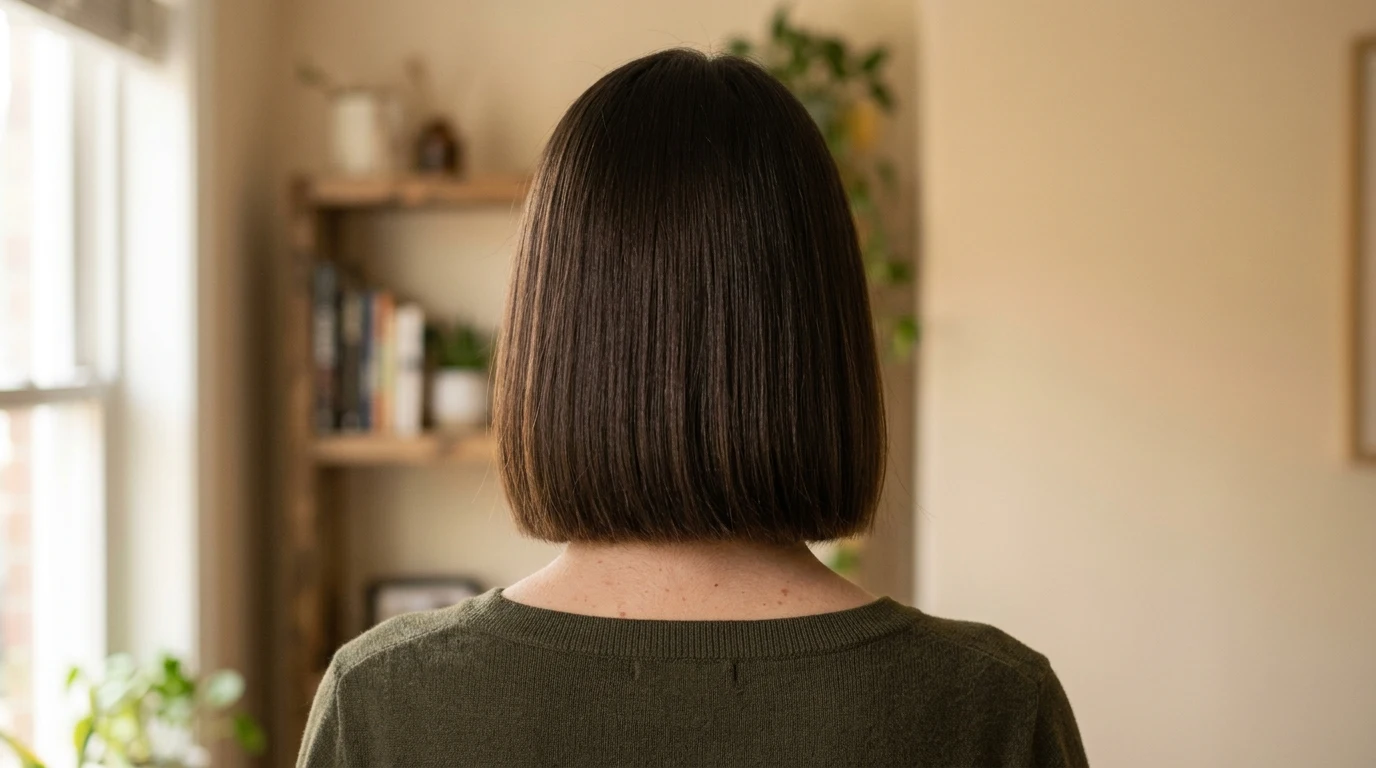
Straight across, hitting right at the collarbone, no layers at all. It is the most flattering length on the widest range of face shapes and it makes fine hair look considerably thicker. Ask for it cut dry at the ends so the line stays sharp.
3. Ask if your hair type will actually hold it
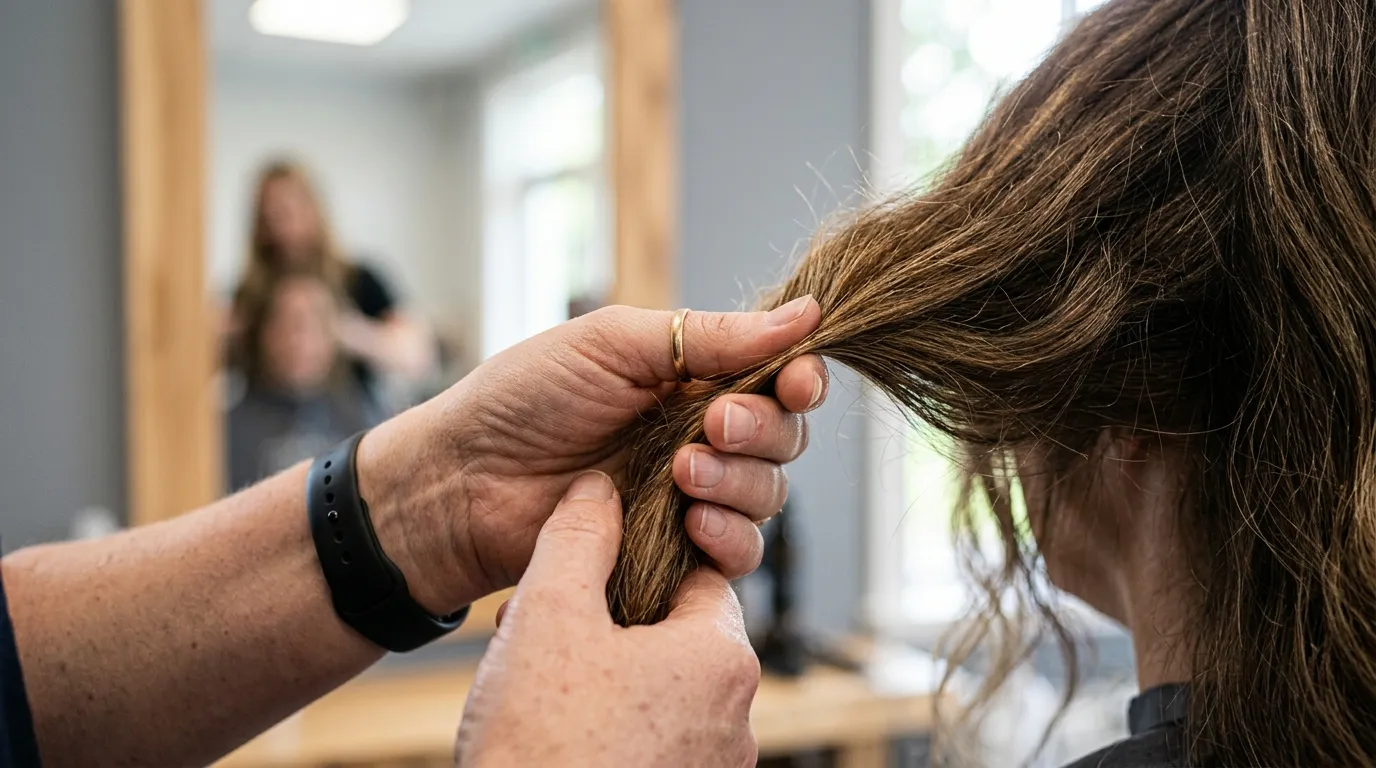

Here is the question. Say the cut name, then ask straight out whether your hair type and density will hold that shape. Fine straight hair struggles with heavy layering, thick hair needs internal weight removed, curls need dry cutting. Ten seconds of that conversation prevents most bad haircuts.
4. Curtain bangs, but longer
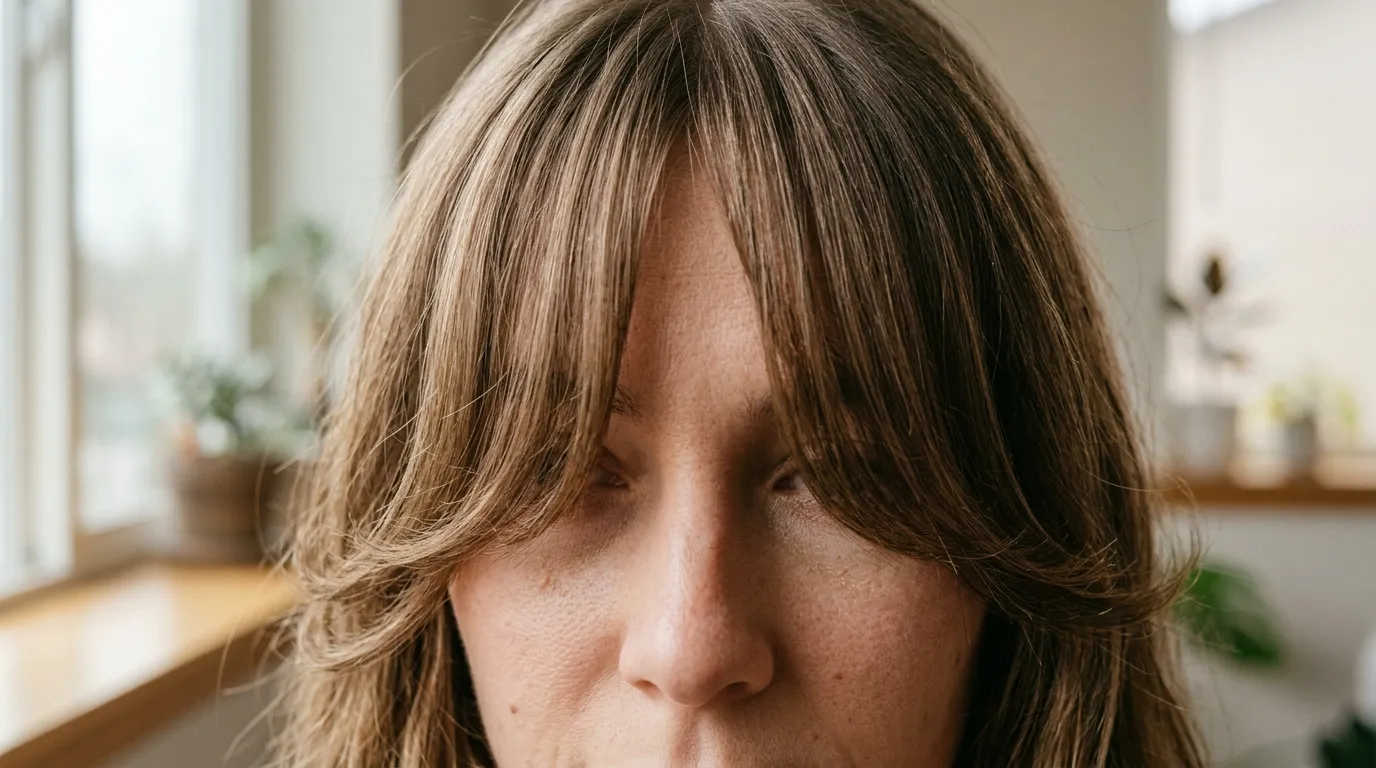
Still everywhere and getting longer, now often reaching the cheekbone rather than the brow. Longer means they blend into the length instead of needing daily styling. Ask for them cut longer than you think, since they lift and shorten once dried forward.
5. The relaxed shag

Choppy layers with plenty of texture, softer than the wolf cut and much easier to grow out. It suits wavy and curly hair best because the natural texture does the work. On straight hair it needs sea salt spray to look intentional rather than thin.
6. Long layers with a heavy perimeter

For anyone who wants to keep length. Layers only in the interior, with the ends left blunt and thick. You get movement without losing density at the bottom, which is where most layered cuts go wrong. This is what I have now and it grows out for months.
7. The Italian bob

Slightly longer than a classic bob, sitting at the jaw with a bit of body through the ends rather than a razor sharp line. Softer and more forgiving than a blunt bob on wavy hair. Great for anyone who wants short but not severe.
8. Micro fringe, if you are brave
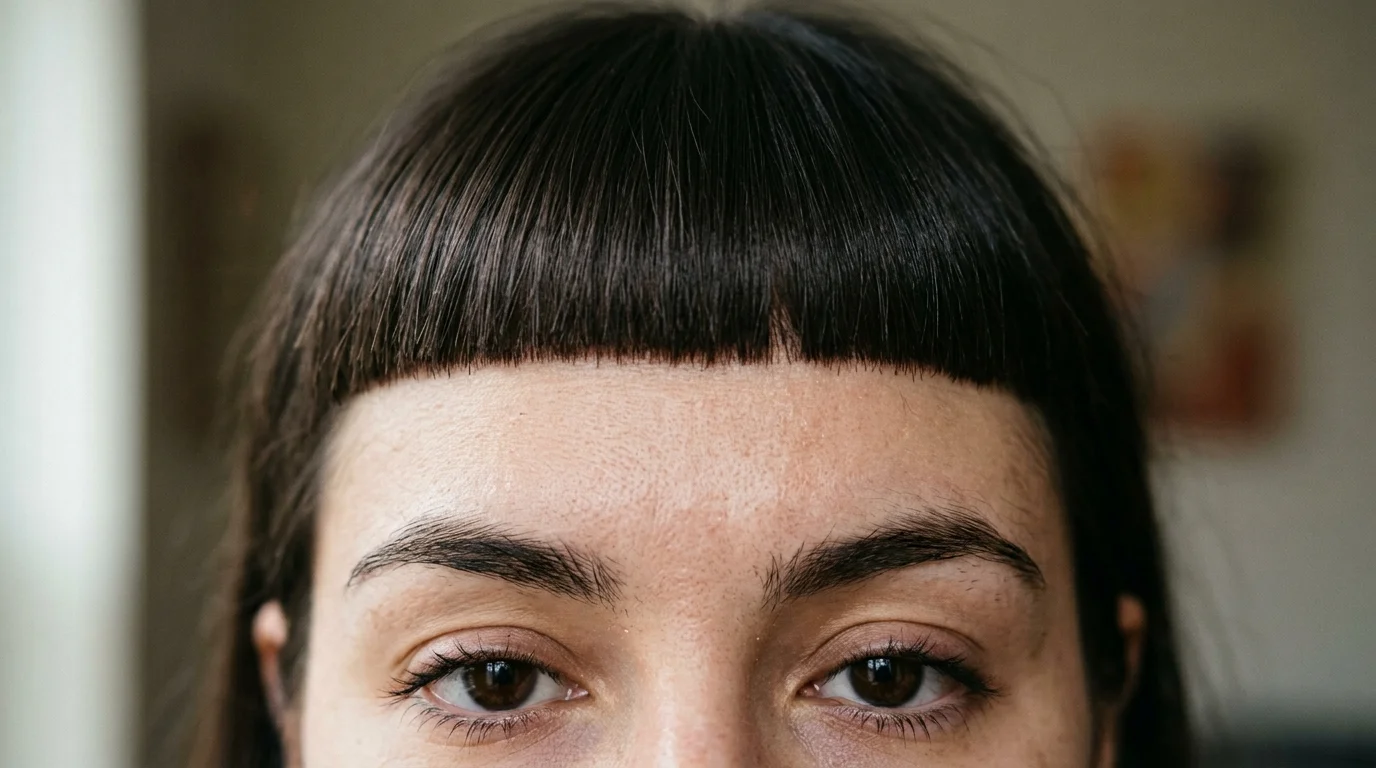
Very short, sitting well above the brow. Genuinely striking and very high maintenance, since it needs trimming every two to three weeks to keep the shape. Not a casual decision, and honestly one to sit on for a month before committing.
9. Curly cuts done dry, curl by curl
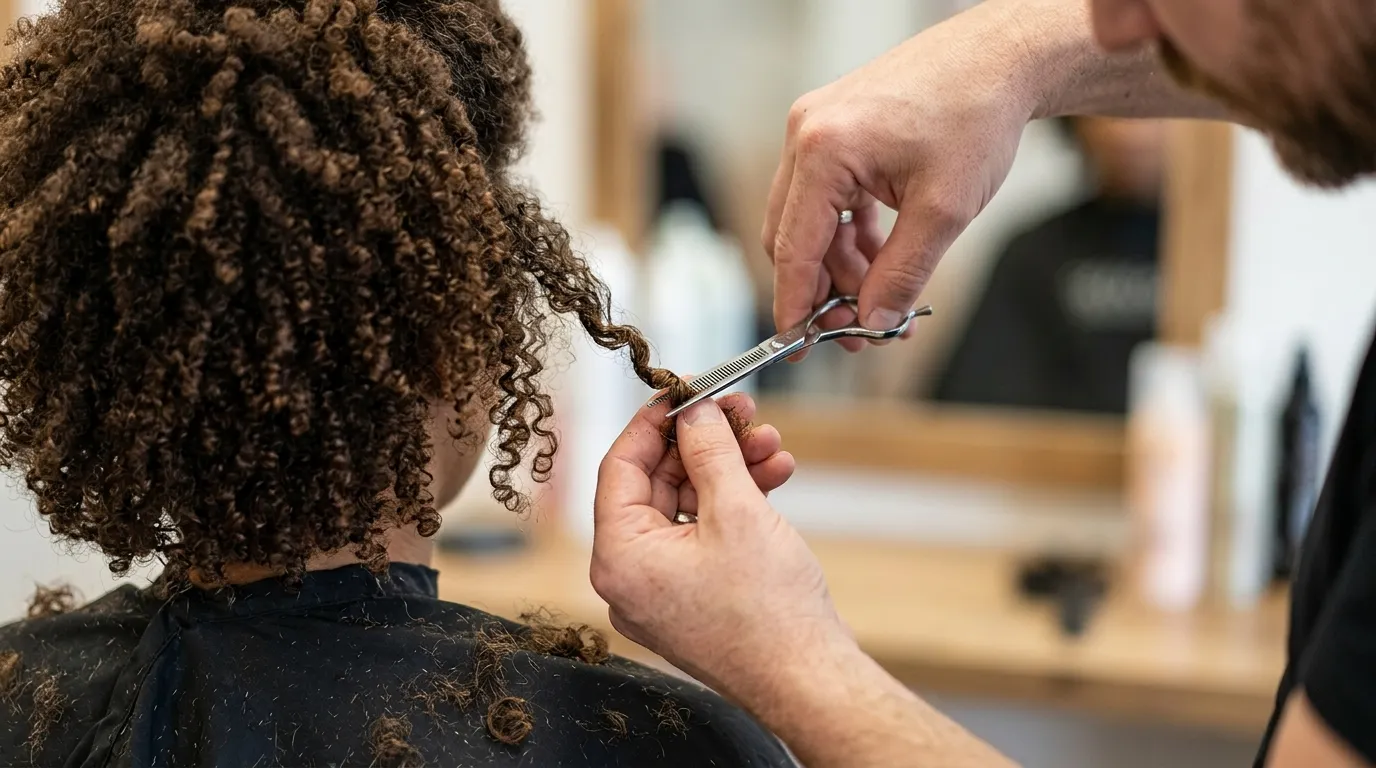
Not a trend so much as the standard rising. More salons now cut curls dry and individually rather than wet, which accounts for shrinkage properly. If your salon still cuts curls wet, it is worth finding one that does not, because the difference is enormous.
10. The grown out pixie
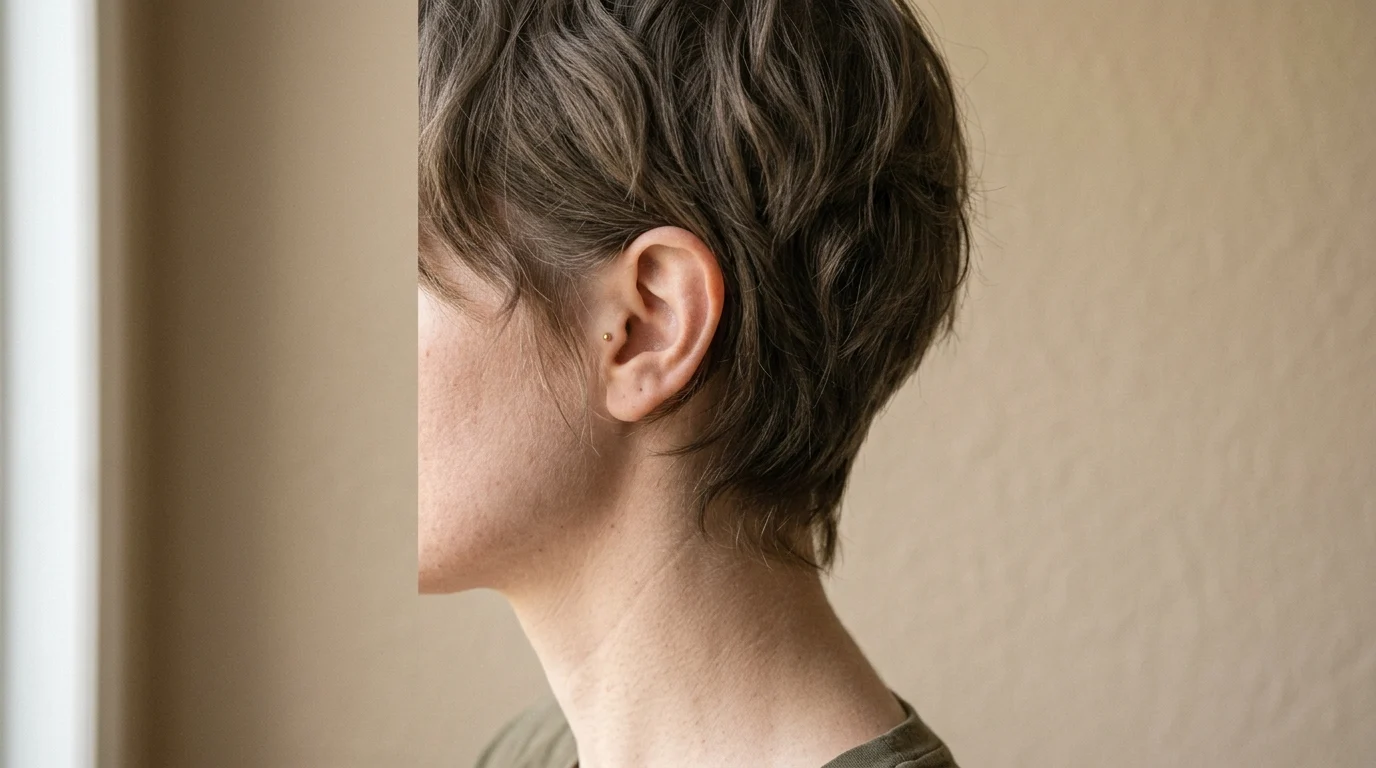
Longer than a classic pixie, with length left at the nape and around the ears. Softer, more wearable, and it does not need a barber visit every three weeks. If you have wanted short hair but feared the upkeep, this is the version.
11. Face framing without full layers

Just the front sections shortened and shaped, everything else left alone. Minimal commitment, easy to grow out, and it changes how your hair sits around your face more than a full layered cut does. This is my go to suggestion for anyone nervous about change.
12. Cuts built around minimal styling
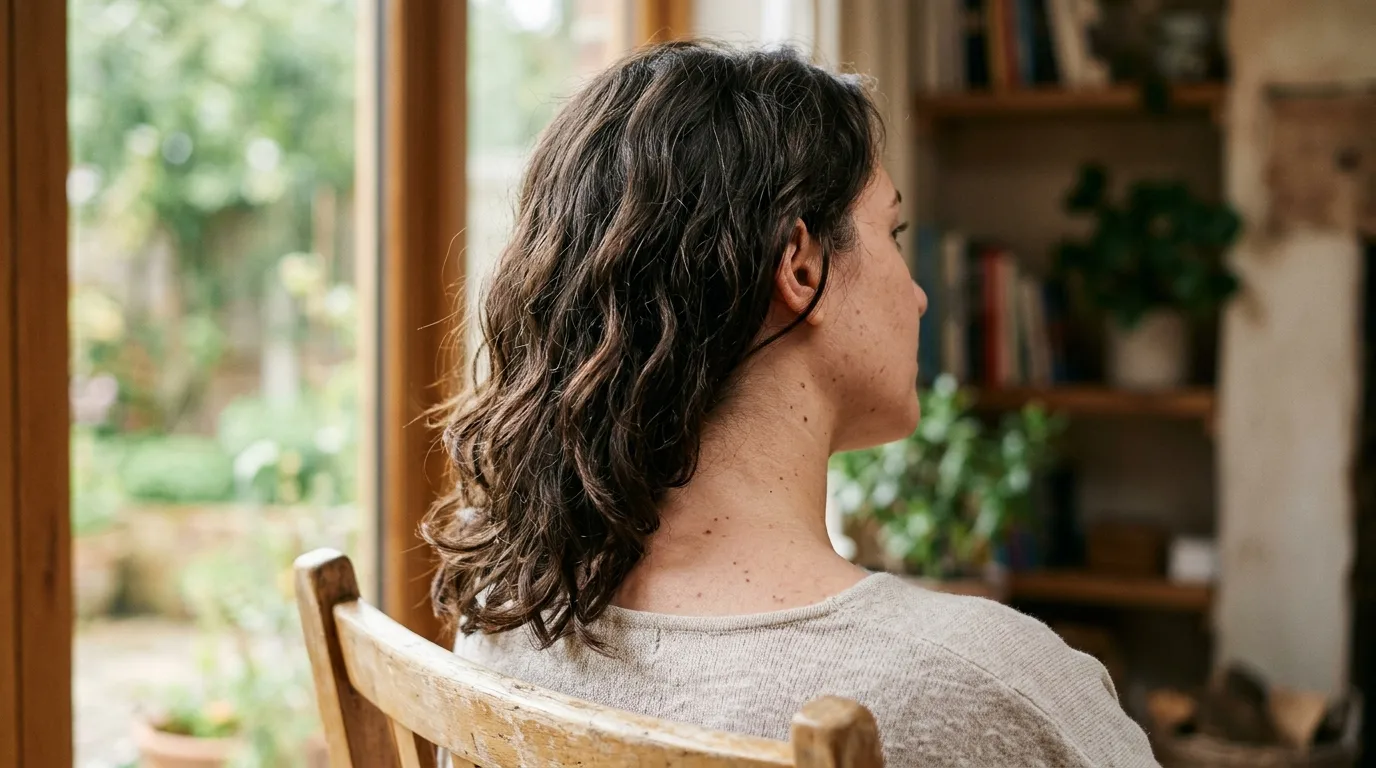
The quiet trend underneath all of this. Shapes that air dry well, need no round brush, and look right on day two. Tell your stylist that you air dry and want a cut that works with that, and they will adjust the layering accordingly.
How to choose the one that suits you
Start with your hair type rather than the photo. Fine straight hair does best with blunt lines and minimal layering, since layers remove the density you do not have much of. Thick hair needs weight taken out internally rather than at the ends, or it goes triangular by week six. Wavy and curly hair thrives on shags, butterfly cuts and long layers, provided they are cut dry.
Then be honest about how often you can get to a salon. A micro fringe or a sharp bob needs a trim every four to six weeks, while long layers, a shag or face framing comfortably stretch to twelve. Choosing a low maintenance shape you can live with beats a high maintenance one you will resent by month two, which I learned the expensive way with a fringe I cut myself out of desperation. Also, book a consultation rather than the cut itself if you are unsure, since most salons do them free and fifteen minutes of talking beats a year of growing something out.
Frequently asked questions
What is the biggest haircut trend for 2026? Softer, more lived in shapes are leading, particularly the relaxed butterfly cut and the blunt collarbone bob. The broader shift is toward cuts that grow out well rather than needing a salon visit every six weeks.
How do I know which cut suits my hair type? Ask your stylist directly whether your hair density and texture will hold the shape you want. Fine hair suits blunt lines, thick hair needs internal weight removed, and curls should always be cut dry.
How often should I get a trim? Sharp bobs and fringes need reshaping every four to six weeks, while long layers and shaggy cuts hold for eight to twelve. The shorter and more precise the shape, the faster it loses definition.
Are curtain bangs still in style? Yes, and they are getting longer, often sitting at the cheekbone rather than the brow. Longer versions blend into the length and need far less daily styling than the shorter ones did.
What is the lowest maintenance haircut? Long layers with a heavy blunt perimeter, or simple face framing on otherwise untouched hair. Both hold their shape for months and neither requires heat styling to look intentional.
Final thoughts
The best haircut I have ever had was not the most fashionable one. It was a cut that suited my hair, needed almost nothing from me in the morning, and still looked decent three months later.
If you are thinking about a change, book a consultation before the appointment and ask the hair type question first. Fifteen minutes, usually free, and it will save you the growing out phase I have been through more times than I care to count.