
The odd thing nobody warns you about is that food stops being interesting. Not in a bad way exactly, just that the thing you used to look forward to becomes something you have to remember to do.
And then you sit down to a normal sized plate and get four bites in and you are done.
So this list is built around that reality. Small portions that still deliver something useful, food that goes down easily, and a bit of practical structure. Number two is the thing my dietitian kept repeating and it took me months to actually do it.
What changes about cooking
Portion size is the obvious one. If you can comfortably manage a cup of food, a normal recipe suddenly makes five servings instead of two, which is either annoying or excellent depending on how you look at it. I look at it as free leftovers now.
The other shift is that what you eat matters more than it did, because there is less of it. Protein and fibre become the things worth prioritising, since they do the most work per bite. And this is general food advice, not medical advice, so anything about your own targets or supplements is a conversation for whoever prescribed your medication.
1. Greek yoghurt with berries and a spoon of nut butter
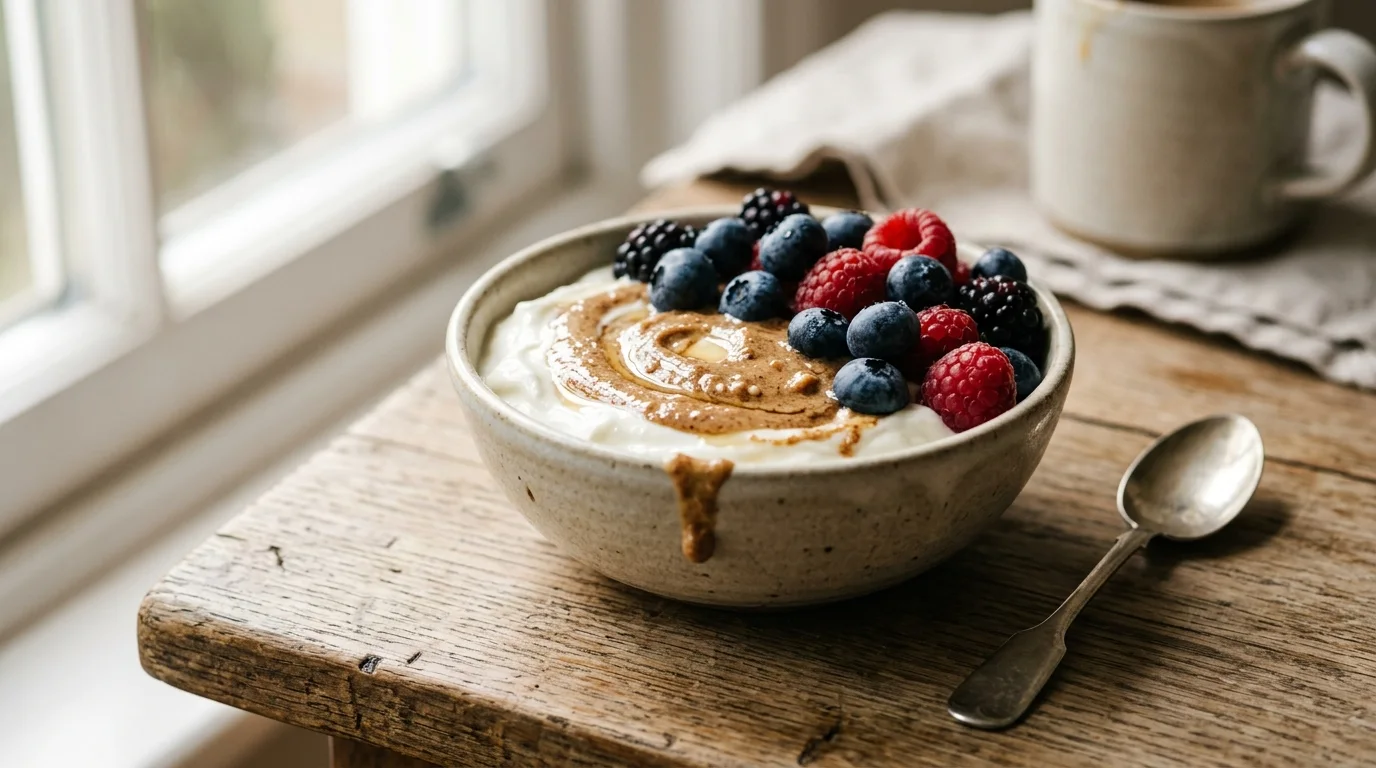
The easiest protein forward thing there is, and it takes ninety seconds. Full fat or 2 percent Greek yoghurt goes down more easily than the fat free version, which can feel chalky. Add the nut butter warmed slightly so it swirls through instead of sitting in a lump.
2. Eat the protein first on the plate
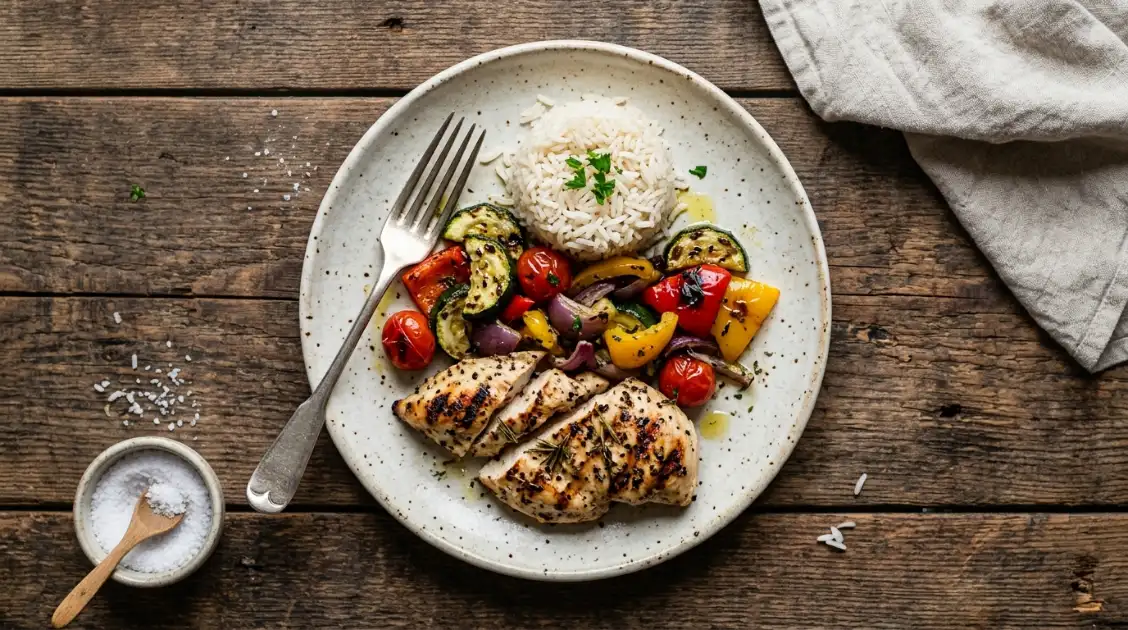
Here is the habit worth building. When you can only manage a small amount, whatever you eat first is what you actually get. So start with the chicken, the eggs, the fish, then move to the vegetables and the carbs. Same plate, completely different outcome.
3. Egg and cottage cheese scramble
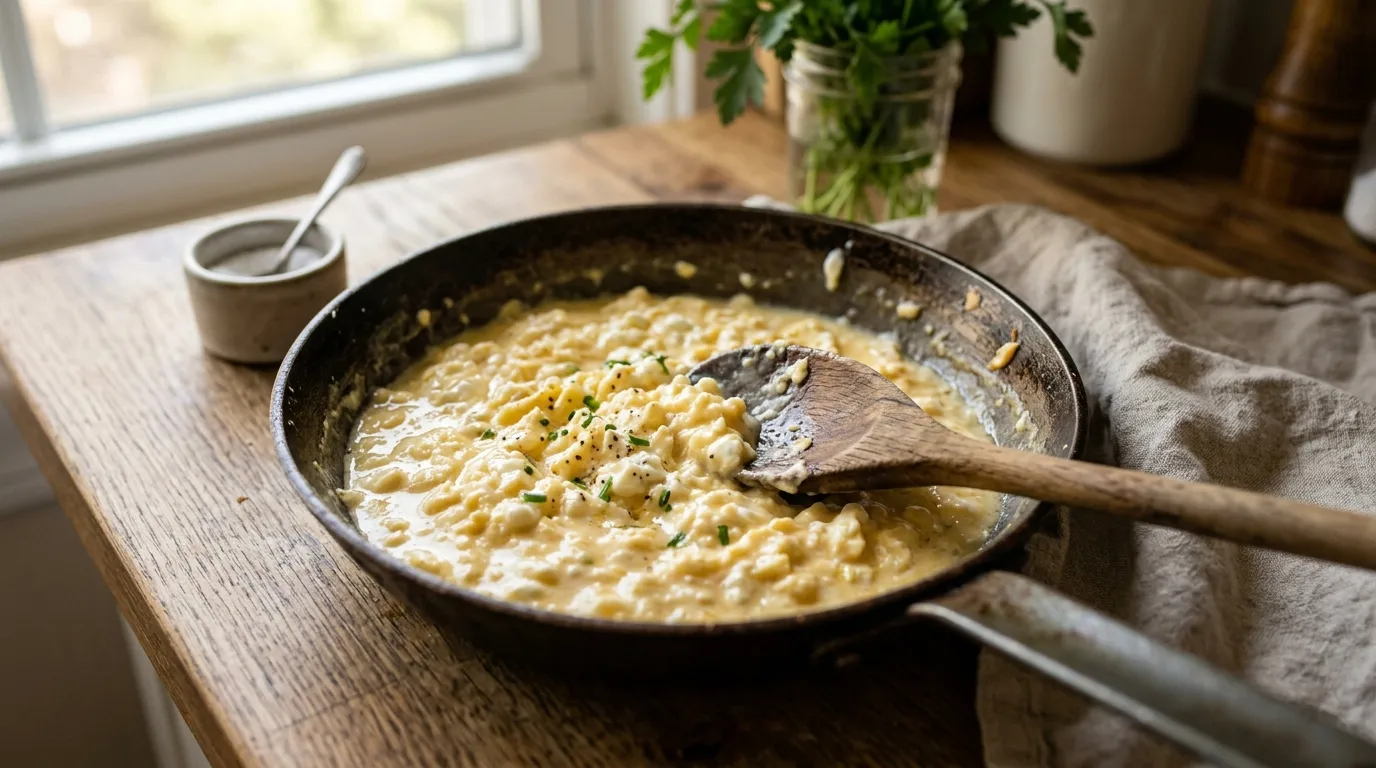
Two eggs whisked with a couple of spoons of cottage cheese, cooked low and slow. The cottage cheese melts into it and makes it creamy rather than rubbery, which matters a lot when texture is putting you off food. Takes about five minutes.
4. Shredded chicken with a sauce, kept separate
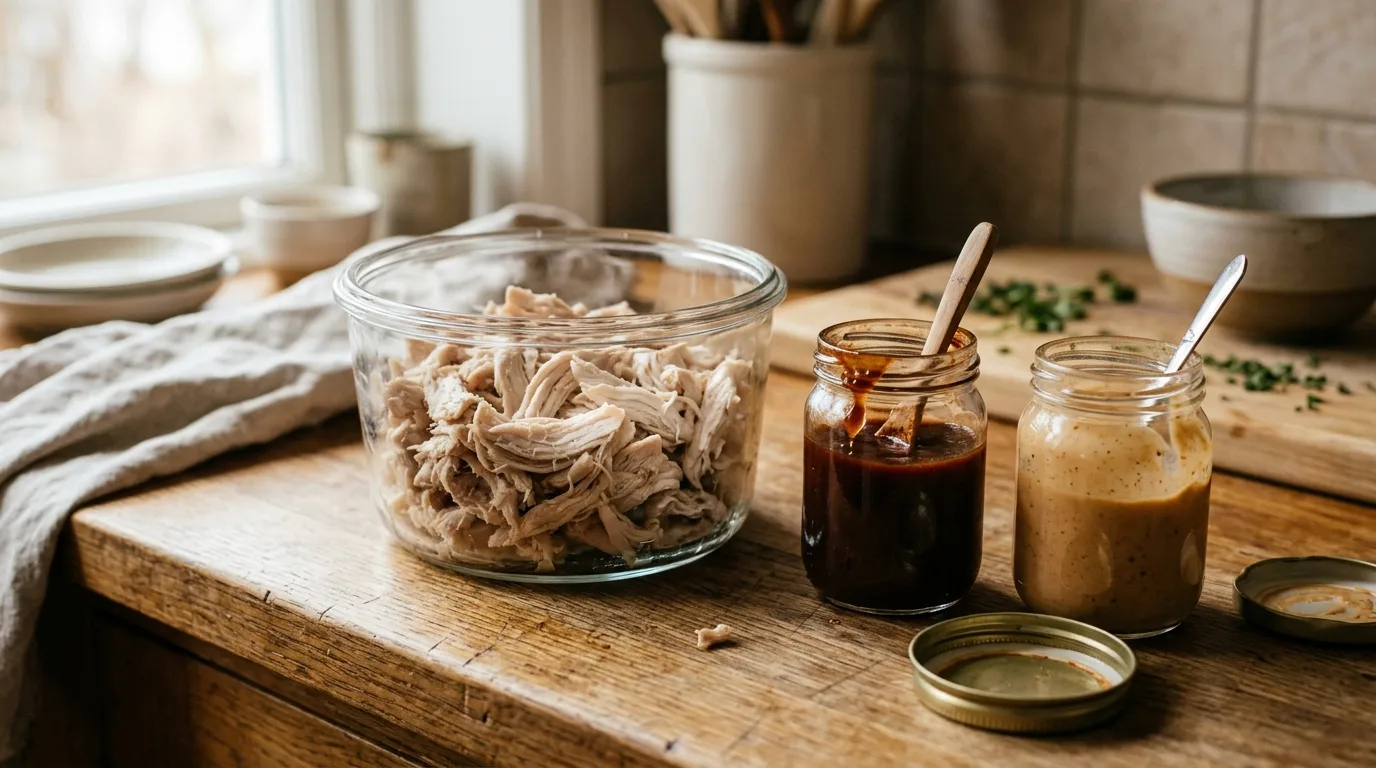
Cook a batch of chicken thighs, shred them, and store them plain in their own juices. Then add a sauce at the moment you eat, since a dish that sounded appealing on Sunday often does not on Wednesday. Keeping components separate means you can follow whatever actually appeals.
5. Soups you can actually finish
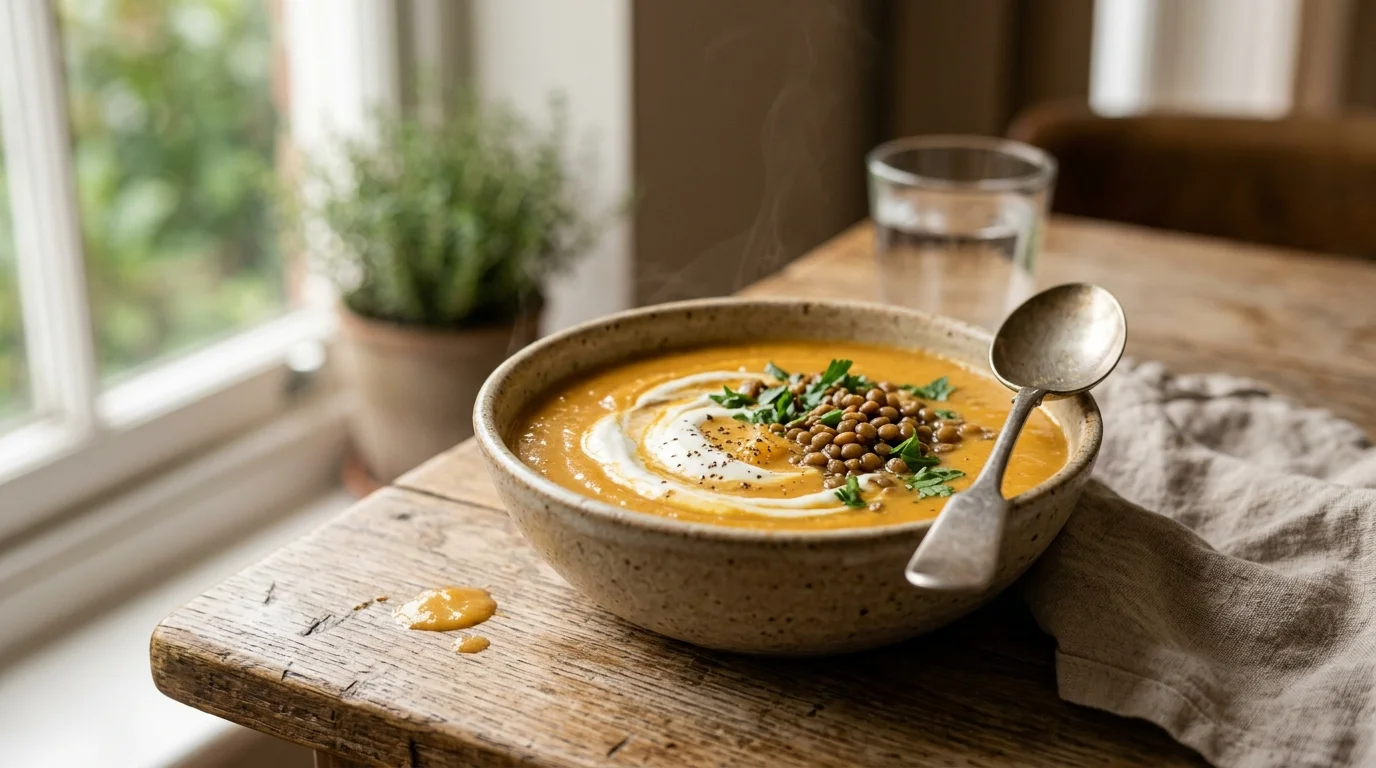
Blended vegetable soups with a scoop of lentils or a swirl of Greek yoghurt stirred through. Warm liquid food is often the easiest thing on days when solid food feels like too much. Make it thicker than you would normally, because thin soup fills you with liquid and not much else.
6. Small portion pasta with more protein than pasta
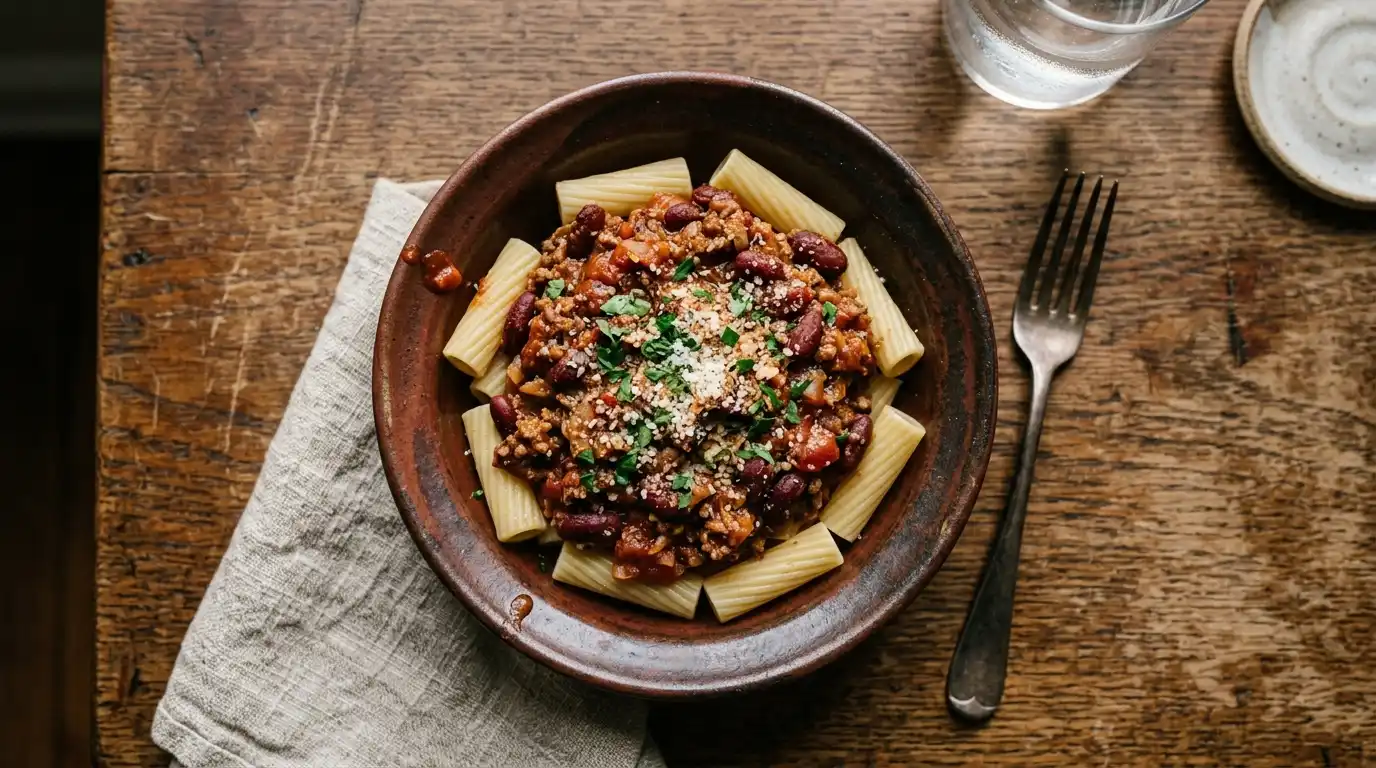
Flip the usual ratio. A small amount of pasta with a generous amount of meat sauce or beans, rather than a big bowl with a spoon of sauce on top. It looks the same on a small plate and delivers considerably more.
7. Overnight oats made with milk and yoghurt
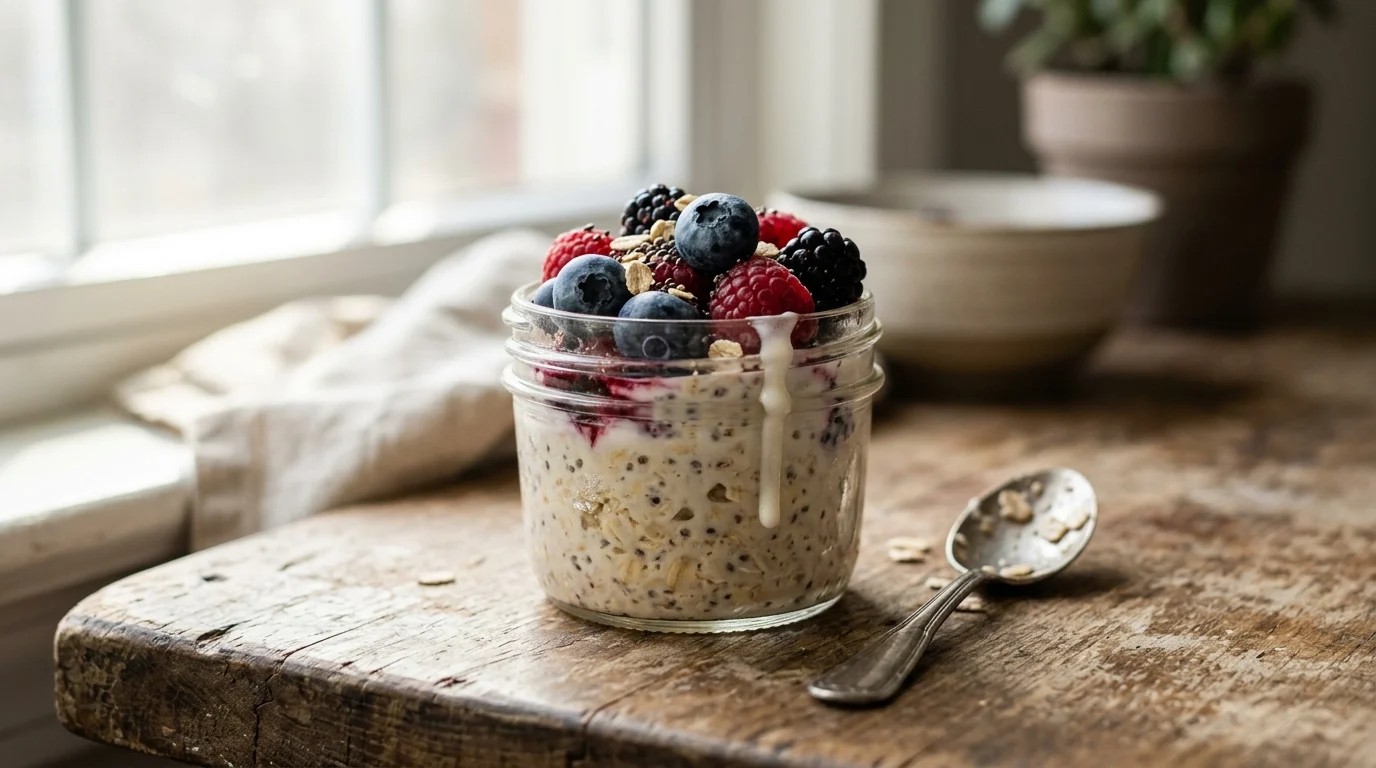
Half a cup of oats, milk, a spoon of Greek yoghurt, chia seeds, and fruit added in the morning. It sits well for a lot of people and it is ready when you are. Add the fruit fresh rather than the night before, since berries bleed and bananas go brown and slimy.
8. Cook once, portion into small containers
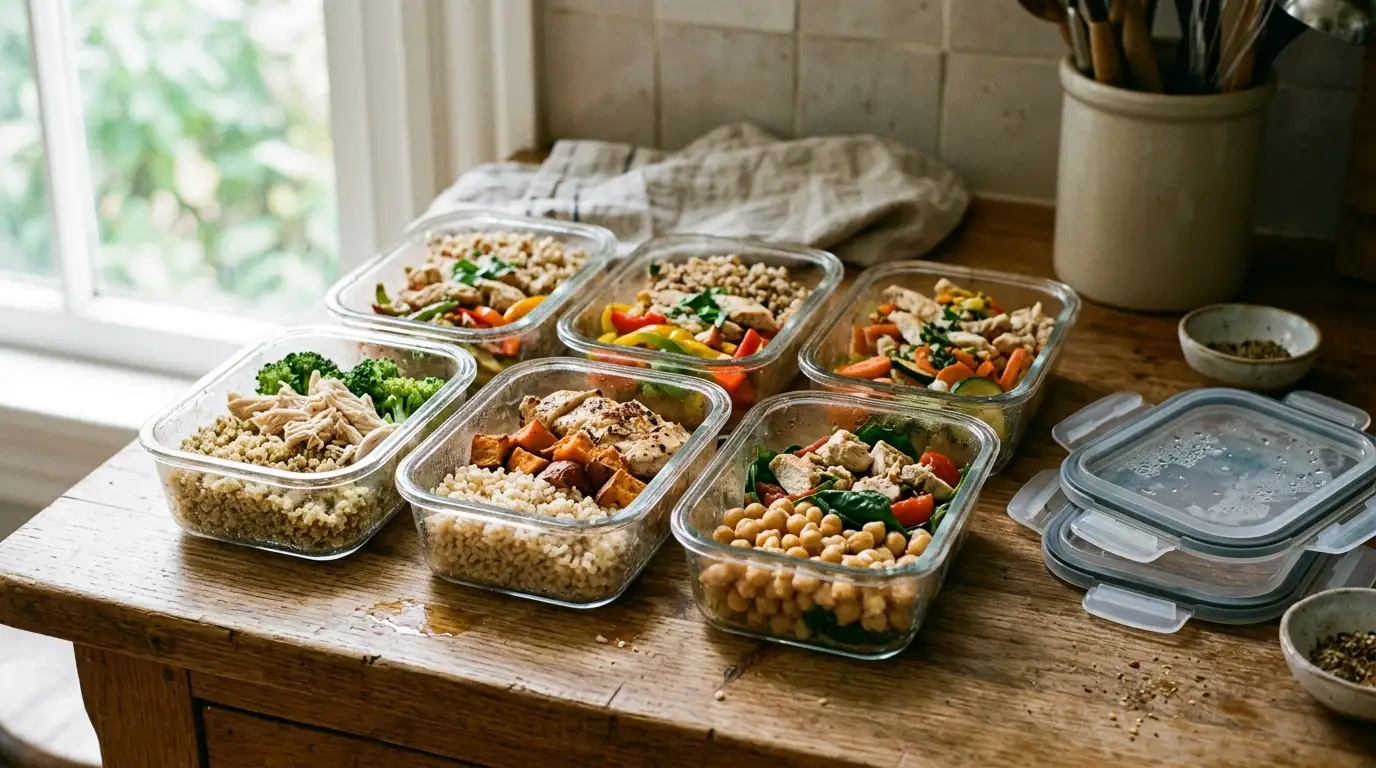
Batch cook, then split into portions that match what you can actually eat rather than standard sizes. Nothing is more discouraging than opening the fridge to a container three times bigger than your appetite. Small containers make the whole thing feel manageable.
9. Snack plates instead of meals
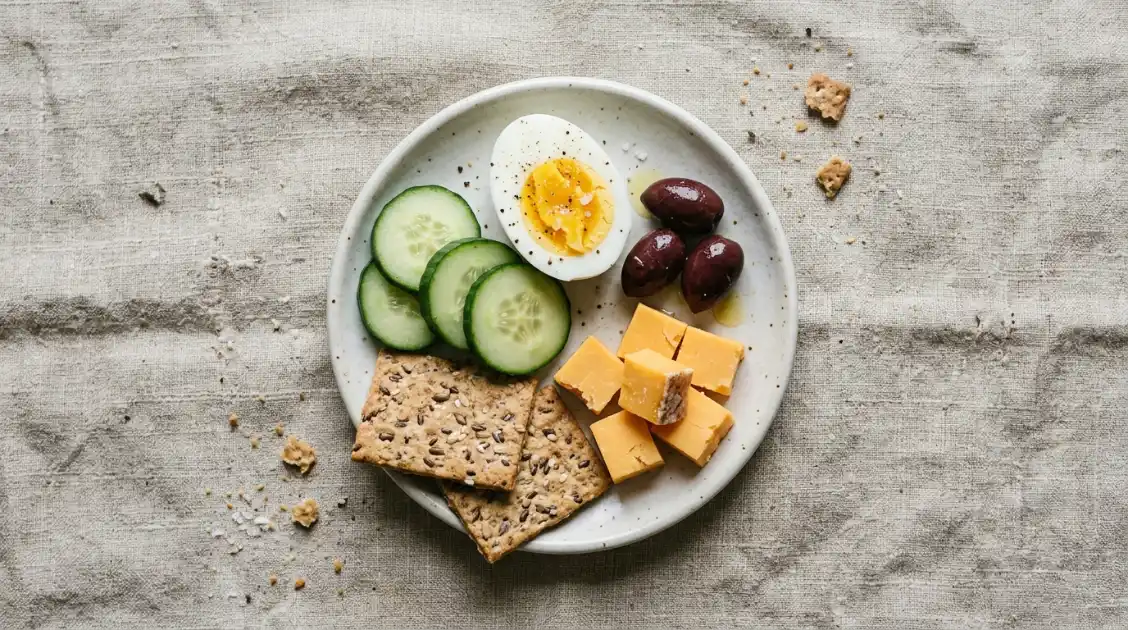
A boiled egg, a few olives, some cheese, a couple of crackers, some cucumber. Grazing suits low appetite much better than a plated meal for a lot of people, and it removes the pressure of finishing something. This is what I do most evenings now.
10. Keep bland backups for the off days
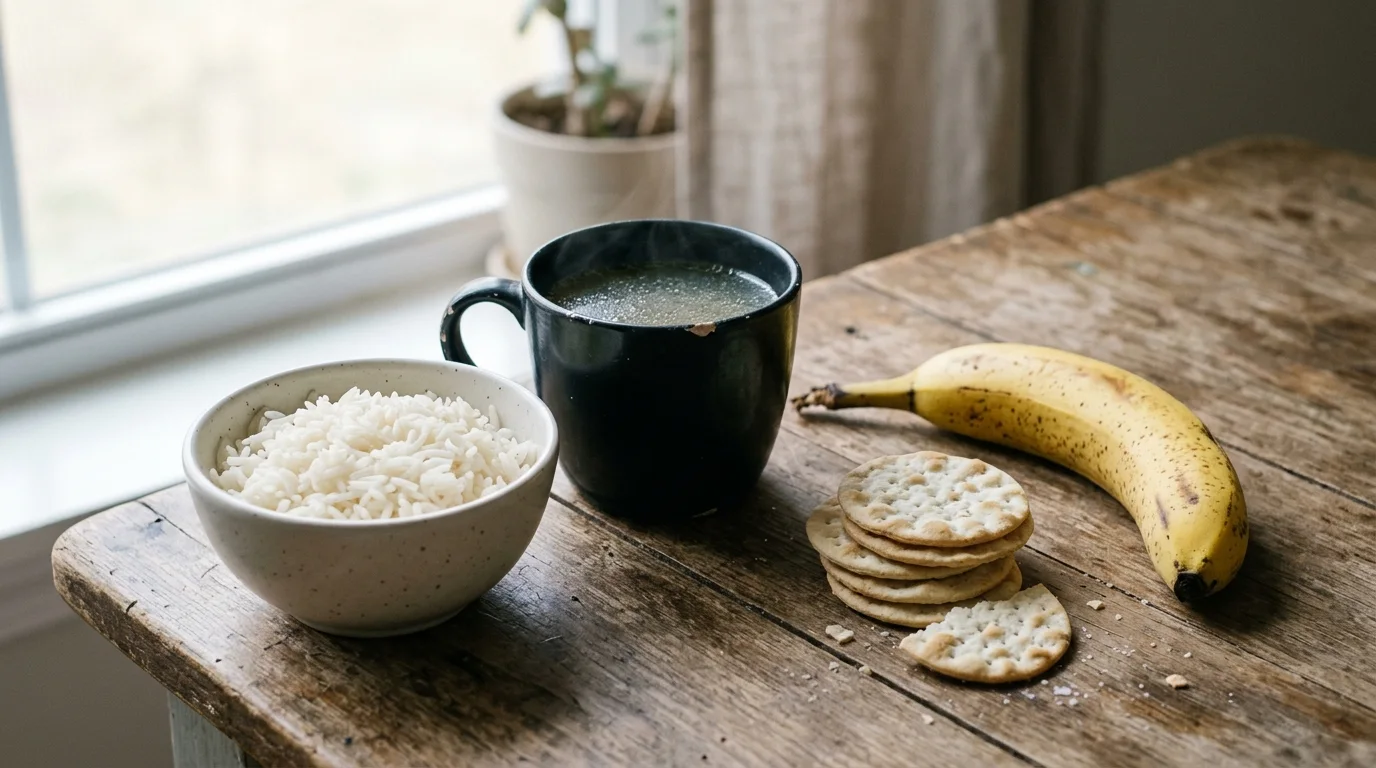
Nausea happens, especially in the first weeks or after a dose increase. Plain crackers, white rice, bananas, dry toast, clear broth. Have them in the cupboard before you need them, because deciding what to eat when you feel rough goes badly.
11. Drink between meals, not during
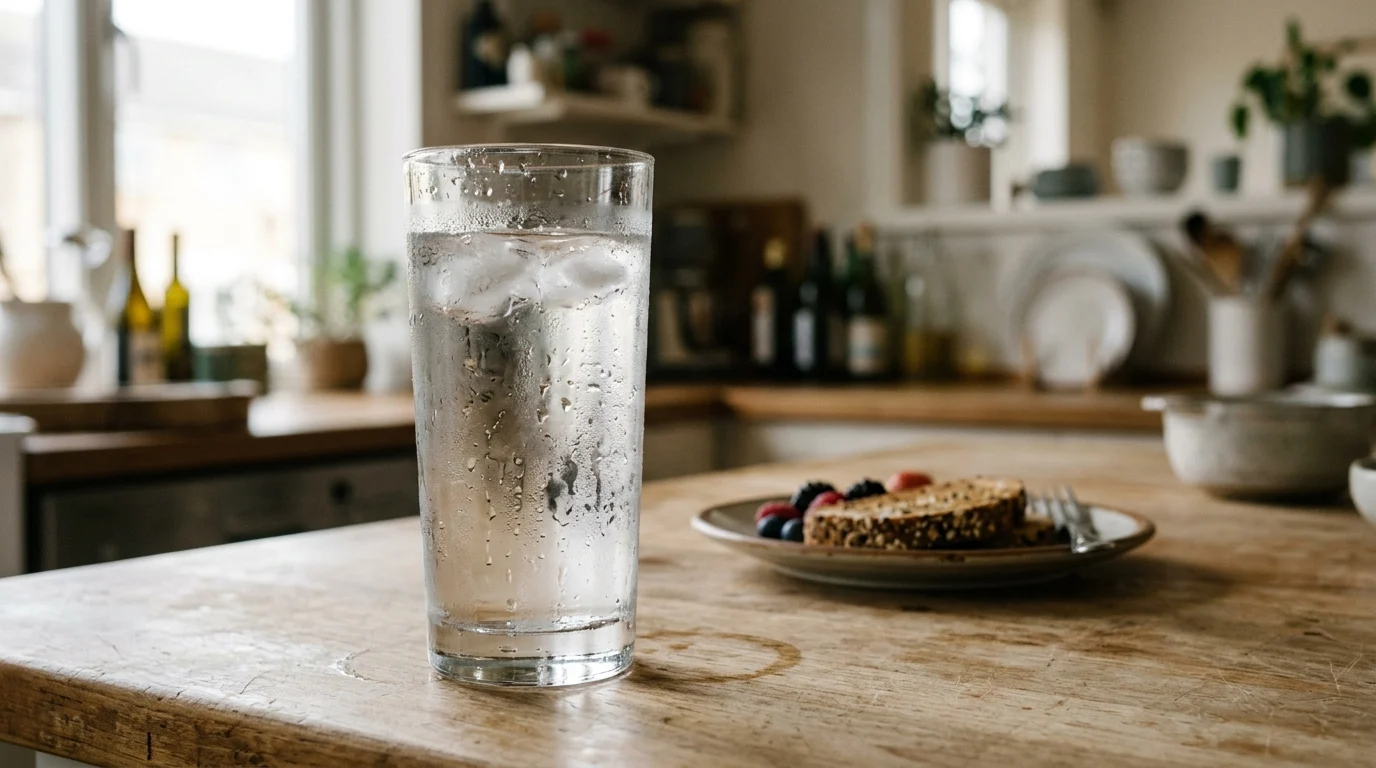
Filling up on water alongside a small meal means less room for the food itself. Sipping between meals rather than with them helps, and it is a small change that made a noticeable difference for me. Staying hydrated still matters enormously, so it is about timing rather than drinking less.
12. Freeze single portions for the bad days
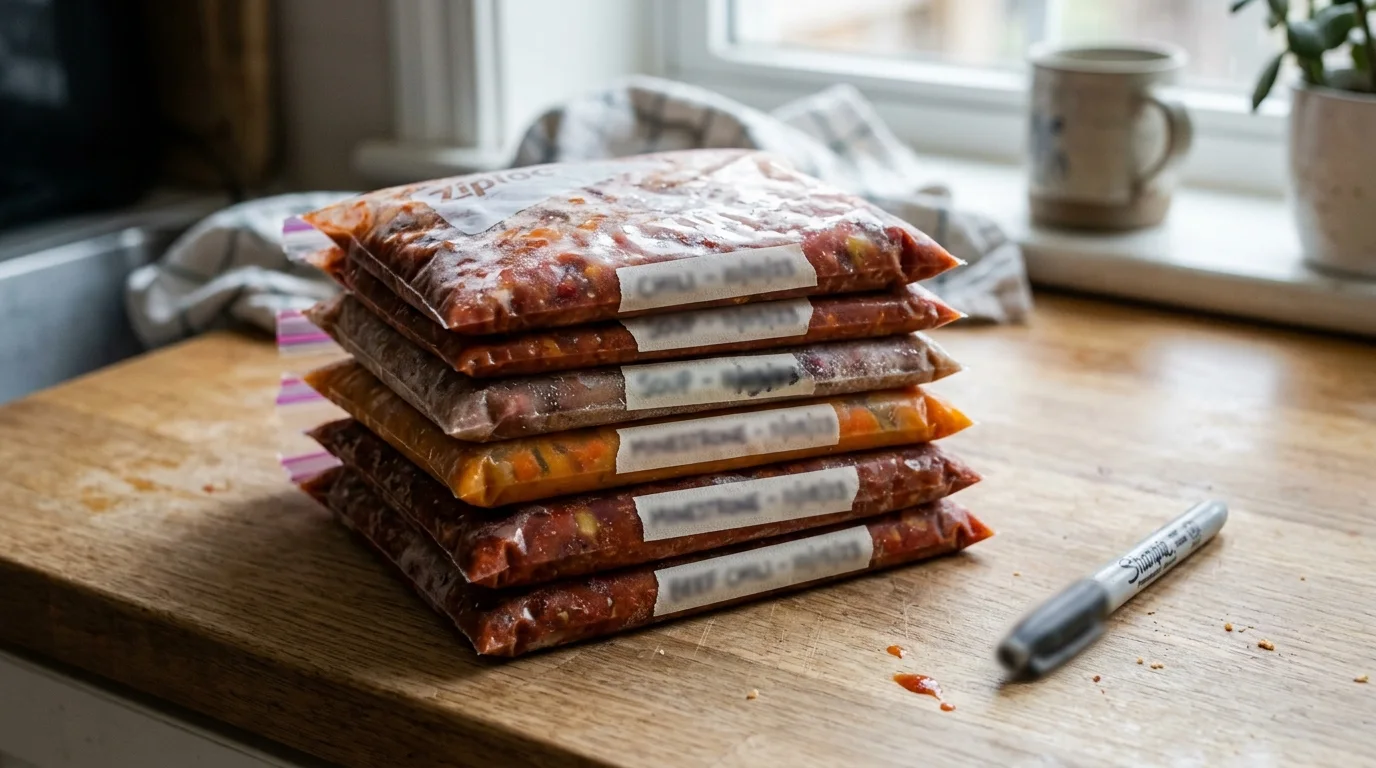
Soups, chilli, dal, shredded meat. Freeze them flat in small bags so they thaw fast. On the days when nothing appeals and cooking feels impossible, having something ready that only needs heating is what stops you skipping eating entirely.
How to set up a week that works
Do the components rather than finished meals. A protein, a grain, roasted vegetables, and two sauces. That gives you flexibility on a day when the thing you planned suddenly does not appeal, which happens more than you would expect. Rigid meal plans tend to fall apart fast under a changing appetite.
Then keep a mental list of three or four things you know go down easily and rotate them without guilt. Variety is nice and consistency is more useful right now. Also, if you find you are struggling to eat much at all, losing weight faster than expected, or feeling unwell, that is a conversation for your prescriber or a dietitian rather than something to solve with recipes. They can look at whether anything needs adjusting, and that is genuinely what they are there for.
Frequently asked questions
What should I eat on a GLP1 medication? Most guidance points toward protein forward meals with fibre and plenty of fluids, in smaller portions. Your prescriber or a dietitian can give you specific targets, since needs vary a lot from person to person.
Why can I only eat a small amount? These medications slow gastric emptying, so food stays in the stomach longer and you feel full much sooner. That is expected, though if you find you cannot eat enough to feel well, it is worth raising with whoever prescribed it.
What helps with nausea? Smaller more frequent portions, bland foods like crackers, rice and toast, and avoiding very greasy or heavy meals. If nausea is persistent or severe, that is a medical conversation rather than a food one.
Should I still eat carbs? There is no need to cut them out. Many people find a smaller portion of carbohydrate alongside a generous portion of protein works better simply because protein is more filling per bite when the total amount is limited.
How do I stop food going to waste? Batch cook and freeze in single portions sized to your actual appetite, and keep sauces separate from proteins. Component cooking means you can follow whatever appeals on the day rather than throwing out a meal you planned but do not fancy.
Final thoughts
Eating well on one of these medications is less about willpower and more about logistics. Having the right things ready in portions you can actually manage removes almost all of the daily friction.
If you are figuring this out right now, start with the protein first habit and a batch of shredded chicken in the fridge. Two small changes, and check in with your care team about anything specific to you, since they know your situation in a way a blog post cannot.