I have chopped my hair into a bob more times than I can count, usually in January, usually on impulse. Three of those cuts were brilliant. The rest sat awkwardly and grew out slowly while I quietly regretted it.
The difference was never the trend. It was the length, the weight and whether my hair type could actually hold the shape.
So here are twelve bobs worth knowing about, plus the rule that decides which one suits you. Number three is the length thing, and it is genuinely the whole decision.
What makes or breaks a bob
Where it hits. A bob ending at the widest part of your jaw or cheek adds width exactly where most people do not want it, while the same cut two centimetres longer or shorter is completely flattering. That one measurement matters more than the style name on the photo you brought in.
The second thing is weight. Thick hair in a blunt bob goes triangular within about six weeks unless weight is removed from the interior, and fine hair with too many layers loses the density that makes a bob look good in the first place. Getting that wrong is why so many bobs look great in the salon and odd by month two.
1. The classic blunt bob

One length, cut straight across, usually landing between the jaw and the collarbone. It makes fine hair look considerably thicker because all the density stays at the ends. Ask for the perimeter cut dry, since wet cutting on a blunt line almost always ends up slightly uneven once it dries.
2. Collarbone bob, the safest length

Sitting right at the collarbone, long enough to tie back in a small ponytail. It is the most flattering length across the widest range of face shapes and it is the one I recommend to anyone nervous about going short. You can always take more off later.
3. Check where it lands on your face first

Here is the rule. Before you commit, hold your hair at the proposed length and look straight on. If it ends at the widest point of your jaw or cheeks, ask for two centimetres shorter or longer. That small adjustment is the difference between a bob that flatters and one that widens.
4. French bob with a fringe
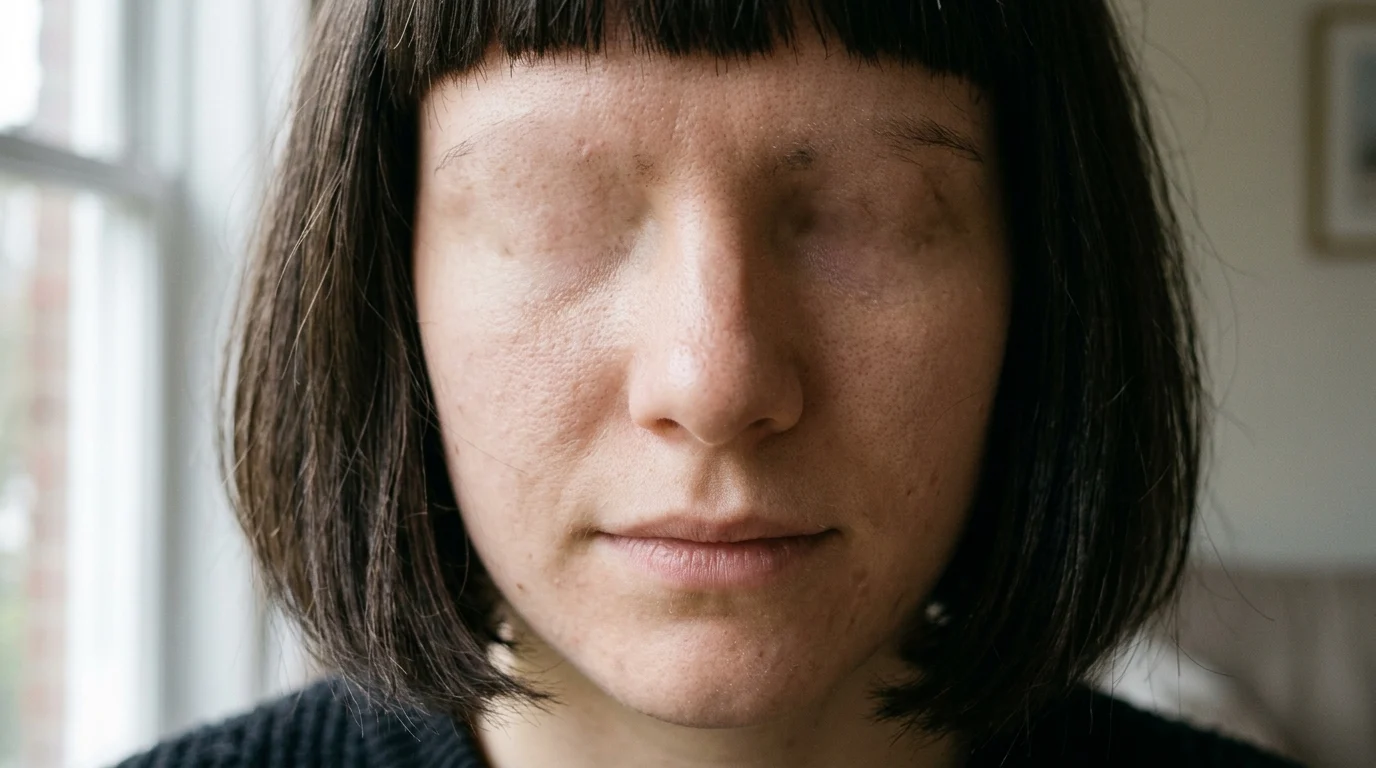
Short, chin length, usually with a blunt or micro fringe. Very striking, very high maintenance, since the fringe needs trimming every two to three weeks. Worth sitting on for a month before booking, because the grow out phase is genuinely awkward.
5. Italian bob

Slightly longer than a French bob, sitting around the jaw with a bit of body through the ends rather than a razor sharp line. Softer and more forgiving on wavy hair. This is the one I have now and it is far easier to live with than a blunt version.
6. A line bob, shorter at the back

Angled so the front pieces sit longer than the back. It creates the illusion of length at the front while keeping weight off the nape. Ask for a subtle angle rather than a dramatic one, since a steep A line reads quite dated now.
7. Layered bob for thick hair

Interior layers with the perimeter kept fairly blunt. That combination removes weight without losing the strong bottom line, which is exactly what thick hair needs. Ask for internal thinning rather than heavy texturising at the ends, or it will go triangular.
8. Curly bob, cut dry
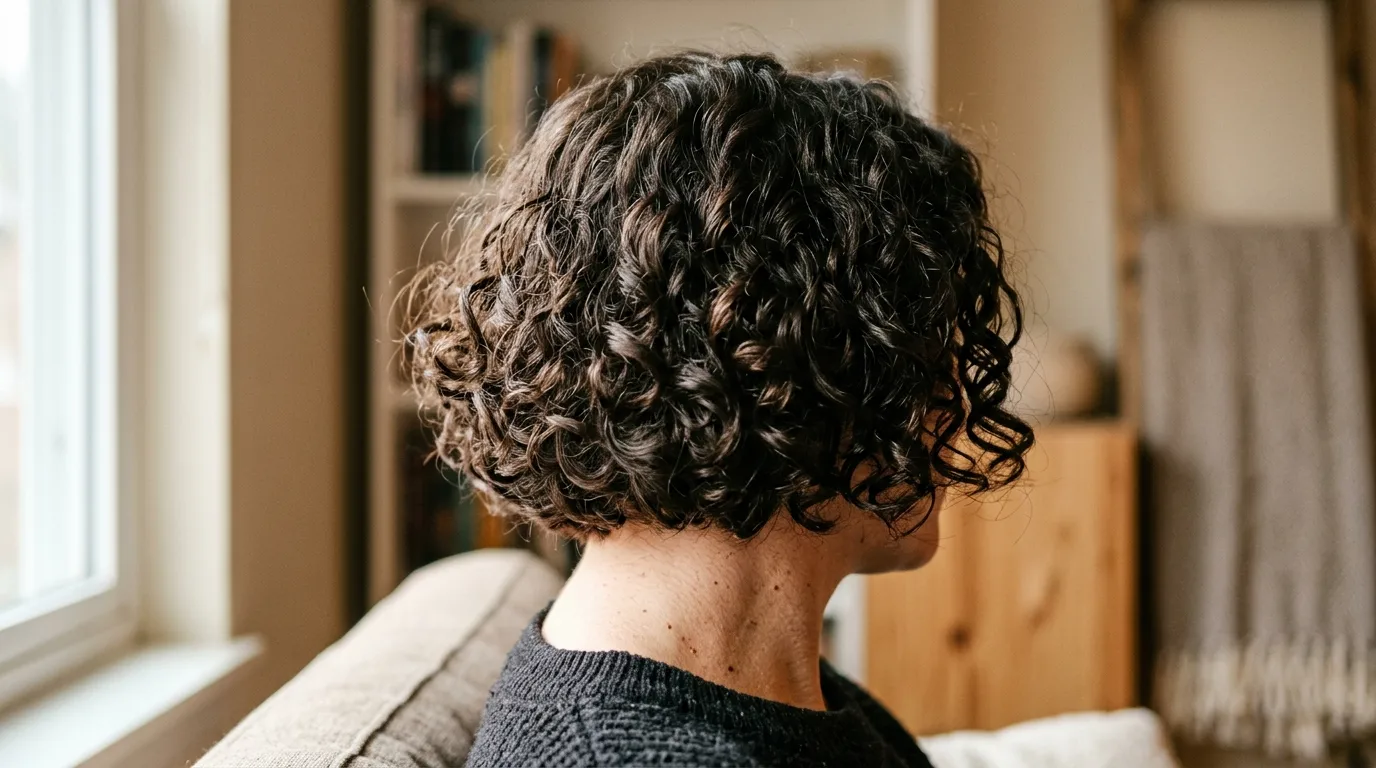
On curls a bob is stunning and it must be cut dry, curl by curl. Curls shrink by up to a third, so a wet cut leaves you far shorter than intended. If your salon still cuts curls wet, find one that does not, because the difference is enormous.
9. Bob with curtain bangs
Softens the strong horizontal line of a bob and frames the face nicely. Ask for the bangs longer than you think, reaching the cheekbone, since they lift and shorten once dried forward. Long curtain bangs also grow out into the length rather than needing constant trimming.
10. Tousled bob for wavy hair

Slightly longer layers with plenty of texture, worn air dried with a sea salt spray. It is the lowest maintenance version here and it suits anyone whose hair refuses to sit smooth. Scrunch rather than comb, and let it dry without touching it.
11. Tuck one side behind your ear

Small styling trick that changes the whole shape. A bob tucked on one side and left loose on the other creates asymmetry, which softens a strong blunt line instantly. Costs nothing and it is what I do when my hair is not behaving.
12. Book a trim every six to eight weeks
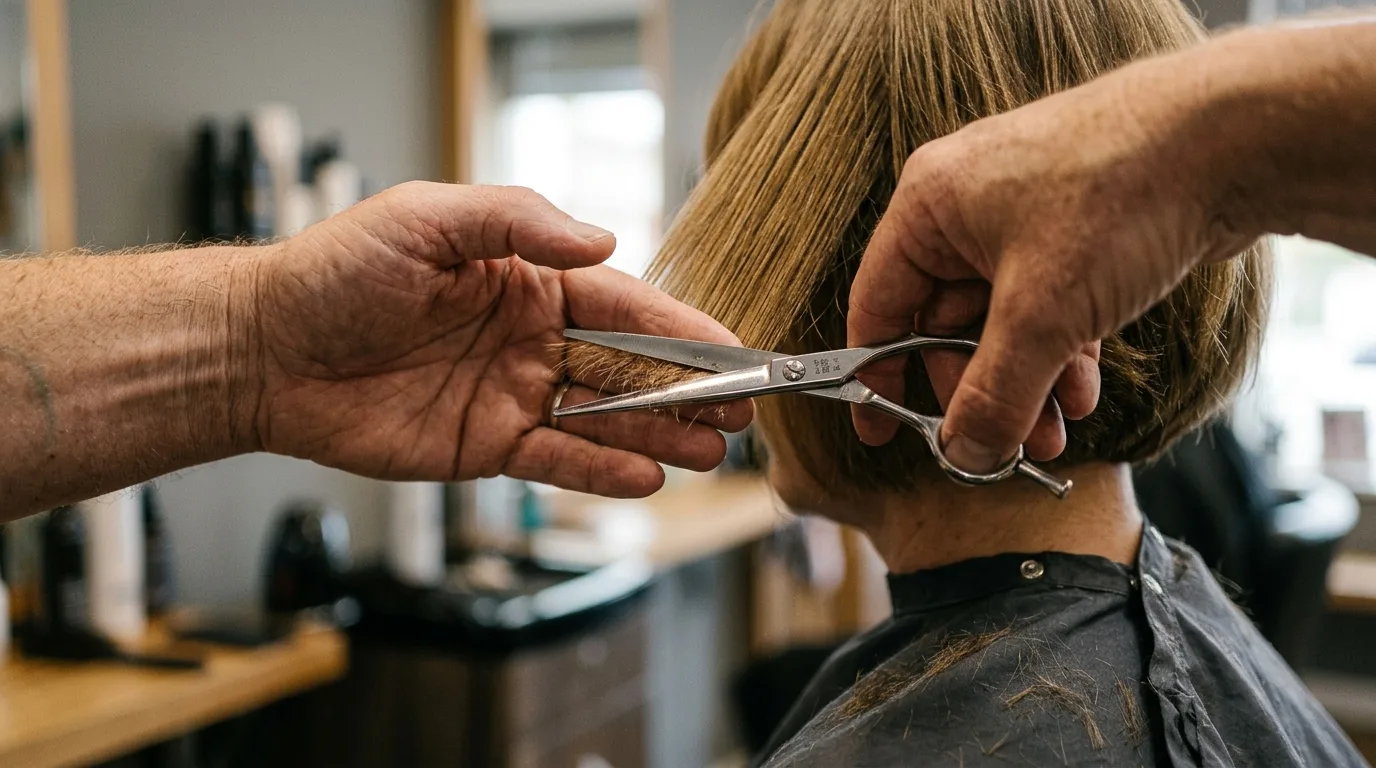
Bobs lose their shape faster than long hair because the line is so visible. Six to eight weeks keeps it sharp, and leaving it past ten weeks is usually when people start saying they hate their bob. It is almost always the grow out, not the cut.
How to choose the version that suits you
Start with your hair type. Fine hair wants a blunt line and minimal layering, since layers remove the density you have little of. Thick hair needs internal weight removed with a blunt perimeter kept intact. Wavy hair suits the Italian and tousled versions, and curls need a dry cut in every case.
Then be honest about styling time. A blunt bob and a French bob both want a round brush and ten minutes most mornings, or they sit flat and slightly shapeless. A tousled or Italian bob genuinely air dries and looks intentional. If you air dry every day, tell your stylist that up front and they will adjust the layering to suit, which is the conversation I skipped for years and it explains a lot of my less successful bobs. Also, take a photo of the back after a good salon blow dry so you know what shape you are aiming for at home.
Frequently asked questions
What bob length is most flattering? Collarbone length suits the widest range of people and gives you the option to tie it back. The key check is that the ends do not land at the widest point of your jaw or cheeks, since that adds width exactly where most people do not want it.
Does a bob suit thin hair? Yes, and a blunt one length bob is particularly good for fine hair because all the density stays at the ends. Avoid heavy layering, which removes the thickness a bob is meant to create.
Can I get a bob with curly hair? Absolutely, provided it is cut dry and curl by curl. Curls shrink by up to a third when they dry, so a wet cut usually ends up far shorter than the length you asked for.
How often does a bob need trimming? Every six to eight weeks. The line is highly visible, so a bob loses its shape faster than longer cuts, and most people who say they dislike their bob are actually looking at a grown out one.
How do I stop my bob going triangular? Ask for weight removed from the interior rather than texturising at the ends, and keep the perimeter blunt. Triangular shape is almost always thick hair with an untouched interior and thinned ends.
Final thoughts
A bob is one of the few cuts that genuinely changes how you look, which is exactly why it is so tempting and so easy to get slightly wrong.
If you are thinking about one, book a consultation first and take the length test standing in front of a mirror. Ten minutes of that beats another six months of growing out a cut that was two centimetres off, which I have done more than once.