On my first night in Buenos Aires I ordered a steak well done. The waiter paused, asked me twice in two different ways, and then went to the kitchen looking personally wounded.
I did not make that mistake again.
Argentine food is simpler than people expect and much better than the simplicity suggests. Very few ingredients, cooked with real attention, eaten slowly and late. Here is what to eat, plus the small things that make the difference between eating well there and eating like a tourist.
What actually defines the food here
Two forces shaped almost everything on this list. The first is cattle and open fire, which gives you asado and the whole culture around it. The second is Italian and Spanish immigration, which is why you will find pizza, gnocchi, and milanesa on menus everywhere, often in versions that have drifted far from their originals and become properly Argentine.
The thing that surprises most visitors is the restraint. Argentine cooking is not spicy, not heavily spiced, and not layered with sauces. Salt, fire, good meat, maybe some parsley and garlic. If you arrive expecting bold seasoning you might feel underwhelmed on day one, and then somewhere around day three you understand what they are doing and you stop wanting anything else.
1. Asado, and knowing which cuts to order
Asado is the barbecue and the whole social event around it, cooked slowly over wood coals for hours. At a parrilla, the cuts worth knowing are entraña, which is skirt and the one I would order first, bife de chorizo, a thick sirloin, and asado de tira, cross cut short ribs. Order jugoso if you want it pink, since a punto here often lands closer to what you would call medium well.
2. Chimichurri, and what it is not
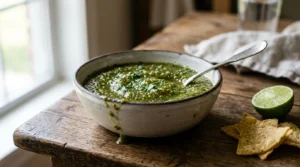
Chimichurri is parsley, garlic, oregano, red wine vinegar, oil, and a little chili, chopped rather than blended. It is a condiment served on the table, not a marinade you soak meat in beforehand, which is the most common misunderstanding abroad. And there is no cilantro in it, so if a recipe includes cilantro, that is a different sauce wearing the name.
3. Empanadas, which change every province
The filling and the shape shift as you travel. Salta does hand cut beef with potato and cumin, Tucumán does a juicier version, and each region has its own crimped edge pattern called a repulgue so you can tell fillings apart on a shared plate. Ask which ones are fried and which are baked, since fried tends to be the northwest tradition and both are worth trying.
4. Choripán, the best cheap thing in the country
Grilled chorizo split open in a crusty roll with a spoonful of chimichurri. That is the entire dish and it is perfect. Buy it from a street cart near a park or a football stadium rather than a restaurant, and expect to spend a fraction of what a sit down meal costs.
5. Provoleta, which arrives before the beef
A thick round of provolone grilled until the outside crusts and the middle goes molten, finished with oregano and chili flakes. It comes out early in an asado alongside the chorizo and morcilla. Eat it fast, because provoleta that sits for five minutes turns rubbery and you will have missed the whole point.
6. Milanesa, the everyday comfort food
A thin breaded cutlet, usually beef, fried and served with fries or a salad. Order it napolitana and it arrives topped with ham, tomato sauce, and melted cheese, which is a name borrowed from Naples for a dish Naples has never heard of. A caballo means it comes with a fried egg on top, and yes, you should.
7. Locro, if you are there in winter
A thick stew of white corn, beans, squash, and various cuts of meat, slow cooked and served with a spicy red oil on top. It is a national holiday dish, particularly around the twenty fifth of May, and you will find it far more easily in the northwest than in the capital. This is one of the very few Argentine dishes that carries real heat.
8. Pizza porteña, plus the fainá nobody mentions
Buenos Aires pizza is its own thing, thick with an almost unreasonable amount of mozzarella, often ordered by the slice at the counter. Get the fugazzeta, which is stuffed with cheese and buried under sweet onions. And order a slice of fainá, a chickpea flour flatbread, which you stack directly on top of your pizza slice and eat together. It sounds odd. It is excellent.
9. Medialunas and the merienda habit
Medialunas are small croissants that come in two versions, de manteca, which is sweeter and glazed, and de grasa, which is plainer and saltier. Most people eat them in the late afternoon around five or six with coffee, since that merienda break bridges a long gap before a very late dinner. Skipping it is how tourists end up starving by eight.
10. Dulce de leche, which is genuinely in everything
Slow cooked sweetened milk, thick and caramel toned, and it turns up in cakes, pastries, ice cream, and on toast. The version to seek out is the alfajor de maicena, two soft cornstarch cookies sandwiched with dulce de leche and rolled in coconut around the edge. I brought home four boxes and regretted not buying eight.
11. Mate, and the etiquette that comes with it
Mate is the herbal drink shared from a gourd through a metal straw called a bombilla, and being offered it is a small social gesture worth accepting. Three rules matter. Do not stir with the bombilla, drink the whole serving before passing it back, and only say gracias when you are finished for good, since here it politely means no more.
12. Malbec, Torrontés, and a Fernet con Coca
Mendoza Malbec is the obvious pour and it is genuinely good at prices that make no sense to anyone from abroad. Try a Torrontés from Salta too, a white with a floral nose that surprises people. And at least once, drink Fernet with Coca Cola over ice, which is close to a national drink and tastes like bitter medicine until suddenly it does not.
How to eat your way through a trip without wasting meals
The single most useful thing to understand is the clock. Lunch runs from about one to three, merienda is around five or six, and dinner rarely starts before nine, with restaurants filling up closer to ten. If you show up hungry at seven the room will be empty and the kitchen will be half awake. Build the merienda into your day and everything else falls into place. On ordering, keep asado meals slow and shared, since a parrilla meal is meant to take two or three hours and arriving in a hurry ruins it. Order the achuras, meaning the offal courses like chorizo, morcilla, and mollejas, before the beef arrives, because that is the intended order and the sweetbreads are better than they sound. And here is my honest budget tip. You do not need the famous expensive parrillas to eat well. Some of the best beef I had was at a neighborhood place in Palermo with paper tablecloths, where the whole meal with wine cost less than a starter at the places on every list. Ask whoever runs your accommodation where they eat on a Sunday and go there instead.
Frequently asked questions
What is Argentina’s national dish? Asado is the one most Argentines would name, since it is both a dish and a weekly social ritual. Locro has a strong claim too, particularly around national holidays, and empanadas are arguably the most widely eaten thing in the country.
Is Argentine food spicy? Almost never. Argentine cooking relies on salt, fire, and good ingredients rather than heat, and chili appears only in small amounts in chimichurri or on provoleta. Locro and some northwestern dishes are the main exceptions.
What should vegetarians eat in Argentina? It is more manageable than the reputation suggests, especially in Buenos Aires, where Italian influence means pizza, pasta, gnocchi, and provoleta are everywhere. Empanadas de humita, made with sweet corn, and caprese salads are reliable, though asado restaurants will be limited.
What time do Argentines eat dinner? Usually between nine and eleven at night, later on weekends. Most kitchens do not get busy before nine thirty, so plan on an afternoon merienda around five or six to bridge the gap.
Is the beef in Argentina really better? Much of it comes from grass fed cattle and is cooked slowly over wood coals rather than fast over gas, which gives a leaner flavor and a different texture than grain fed beef. People raised on marbled grain fed steak sometimes find it a surprise at first, then come around fast.
Final thoughts
The thing I did not expect was how unhurried all of it is. Long lunches, a coffee and a pastry in the middle of the afternoon, dinners that start when other countries are going to bed, and asados that take an entire Sunday because the point was never really the food.
So go hungry, eat late, accept the mate when it comes around, and order the entraña. If you make it to a proper parrilla, come back and tell me which cut you ordered, because I am still arguing with myself about whether entraña or bife de chorizo is the right answer.