My backyard used to be an embarrassment, honestly.
Patchy grass, one sad bush nobody planted on purpose, and a fence that had definitely seen better decades. I had zero landscaping experience going in.
Three years and a lot of trial and error later, it’s finally a space I actually want to spend time in. These are the ideas that got me there, mistakes included.
Why Planning Beats Pinterest Boards
Here’s what I got wrong at first. I saved a hundred pretty photos and tried to recreate all of them at once, with zero thought about my actual yard’s sun, soil, or slope. Total mess.
A good backyard comes from working with what you’ve got, not fighting it. Once I started paying attention to where water pooled and where the sun actually hit throughout the day, everything I planted or built started surviving instead of dying within a month.
1. Map Your Sun Before You Plant Anything
Spend one full day just watching your yard. Note where the sun hits at nine, noon, and five. I skipped this step originally and put a sun loving garden bed in what turned out to be mostly shade. Total waste of a whole spring.
2. Fix Drainage Before Anything Aesthetic
If water pools anywhere after rain, deal with that first. I ignored a soggy corner for way too long, planted a beautiful flower bed there anyway, and lost the whole thing within two months. A simple French drain or regrading solves this before it ruins your other work.
3. Define Zones With Gravel Pathways
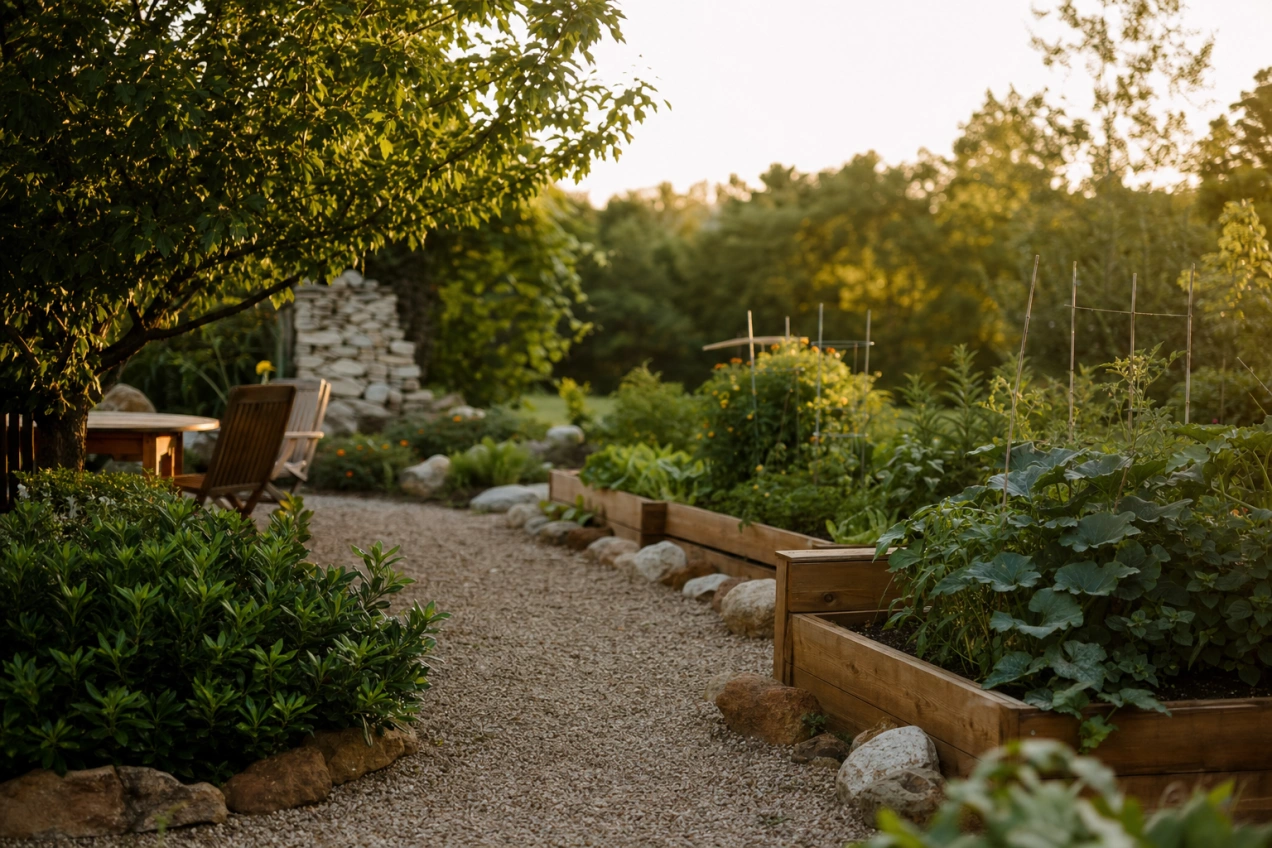
A loose gravel path connecting different areas, a seating spot, a garden bed, a fire pit, instantly makes a yard feel intentional instead of one big undefined lawn. It’s also genuinely cheap and doable over a single weekend.
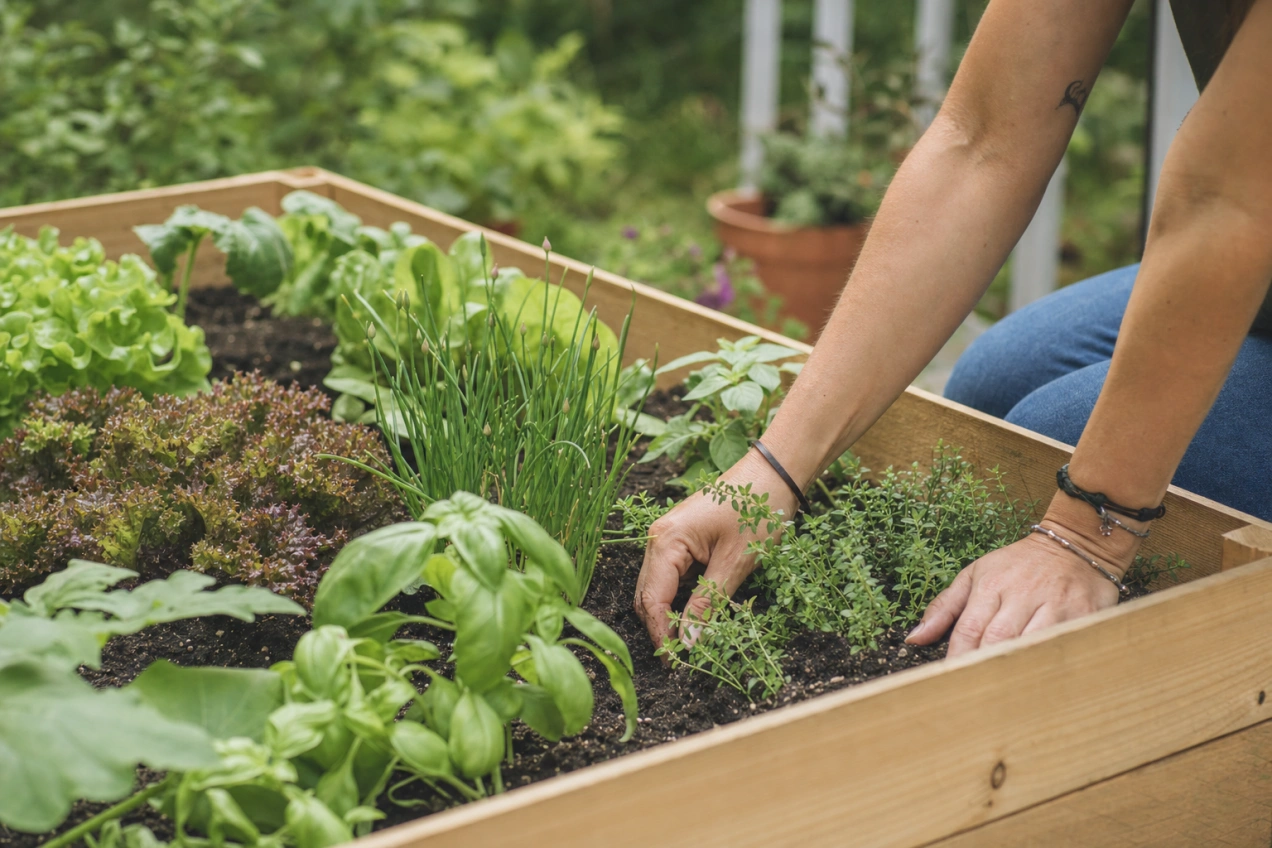
4. Build a Raised Bed for Easy Wins
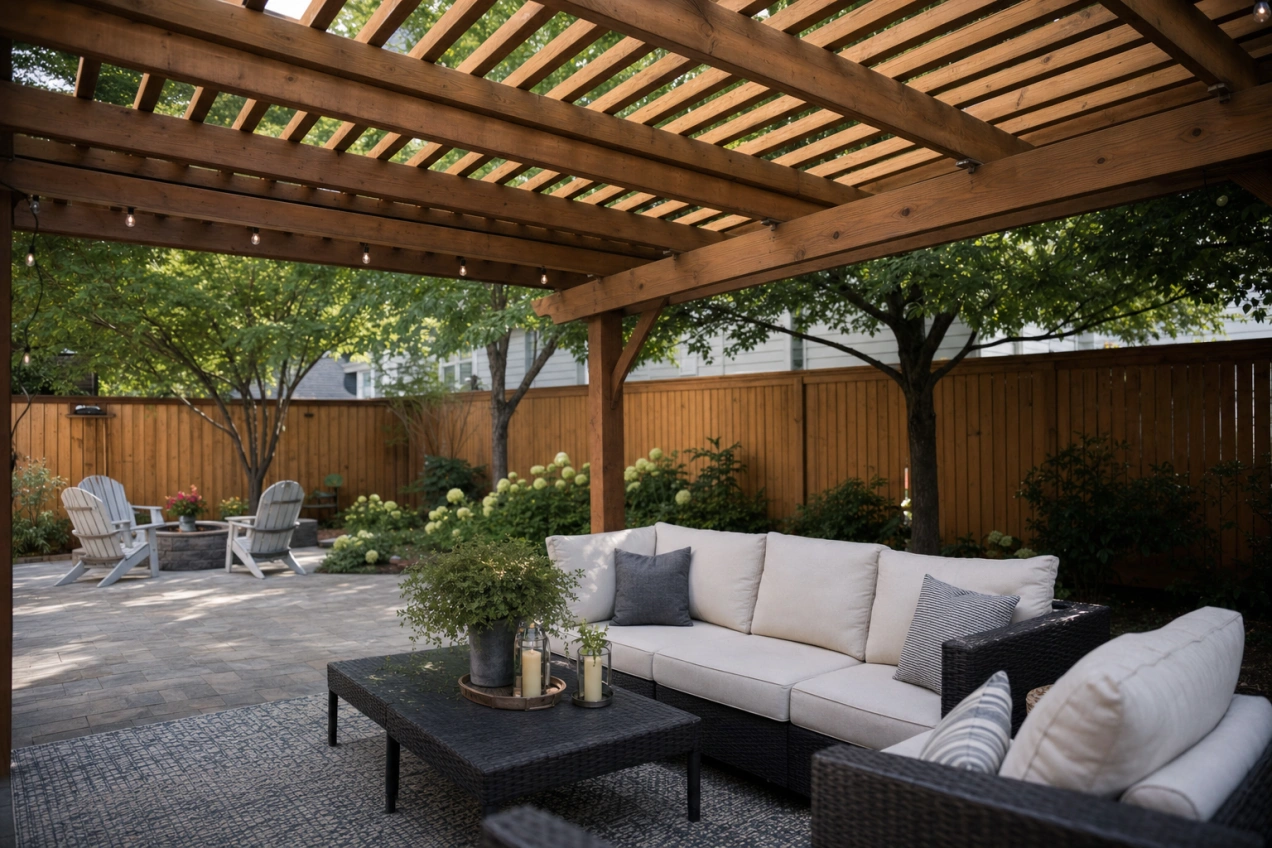
Raised garden beds are more forgiving than in ground planting since you control the soil quality completely. If your yard has rough native soil like mine did, this alone will save you a lot of frustration and dead plants.
5. Use Native Plants as Your Backbone
I used to buy whatever looked prettiest at the nursery with no research. Big mistake. Native plants for your region need way less water and maintenance since they’re already suited to your climate. Fill in the flashier stuff around a native foundation instead of the other way around.
6. Add Layered Lighting, Not Just One Big Fixture
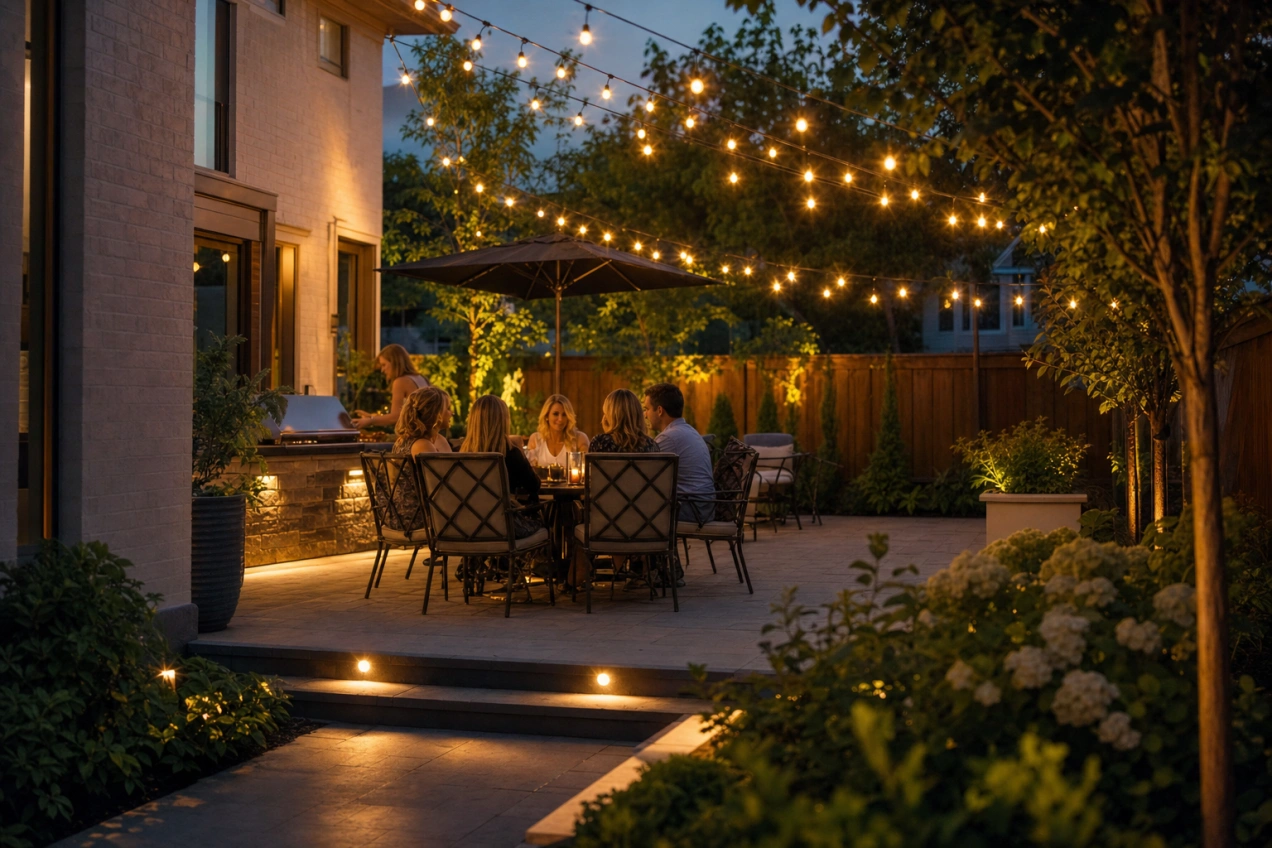
String lights alone can feel a little flat once the novelty wears off. Layer in a couple of low path lights and maybe one warm accent light near a tree or feature. It creates depth after dark instead of just a single glowing string overhead.
7. Create a Cozy Seating Nook Away From the House
Don’t put every seating area right against your back door. A small bench or two chairs tucked further into the yard, even just fifteen feet away, gives the space a destination feeling instead of everything clustering in one spot.
8. Plant a Privacy Screen Instead of Buying a Fence Extension
Tall grasses or a row of shrubs along a property line does double duty, adding privacy and softening a hard fence line at the same time. It took mine about a year to fill in fully, but it looks so much better than the metal extension I almost bought instead.
9. Mix Hardscaping Materials for Texture
Don’t use just one material everywhere. Pairing gravel with wood, or stone with mulch, adds visual texture that keeps a yard from feeling flat and one note. My patio alone uses three different materials and somehow it still looks cohesive, not chaotic.
10. Add a Water Feature for Sound
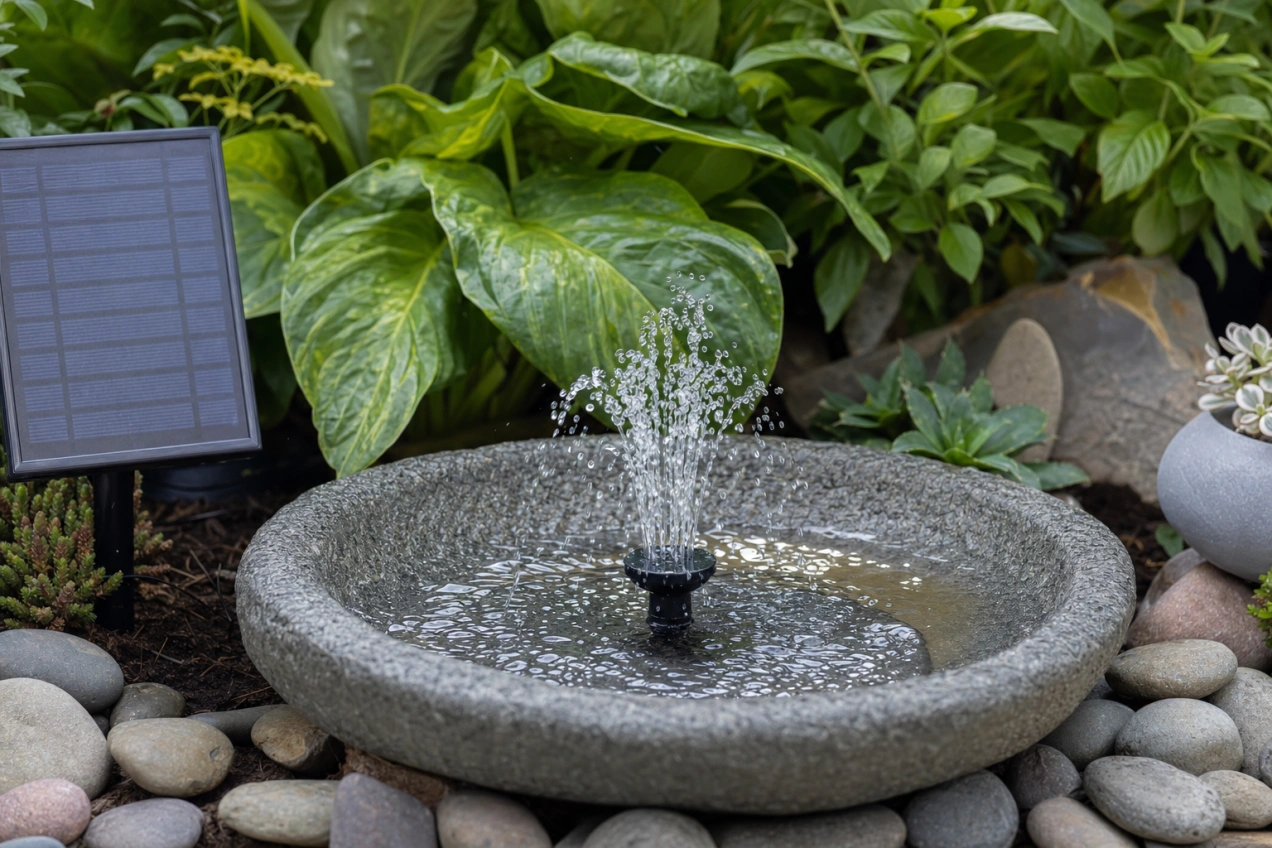
Even a small solar fountain changes how a backyard feels. The sound alone drowns out street noise and makes the space feel more private and calming. Mine was maybe forty dollars and it’s still one of my favorite additions.
11. Keep a Portion of Lawn for Function
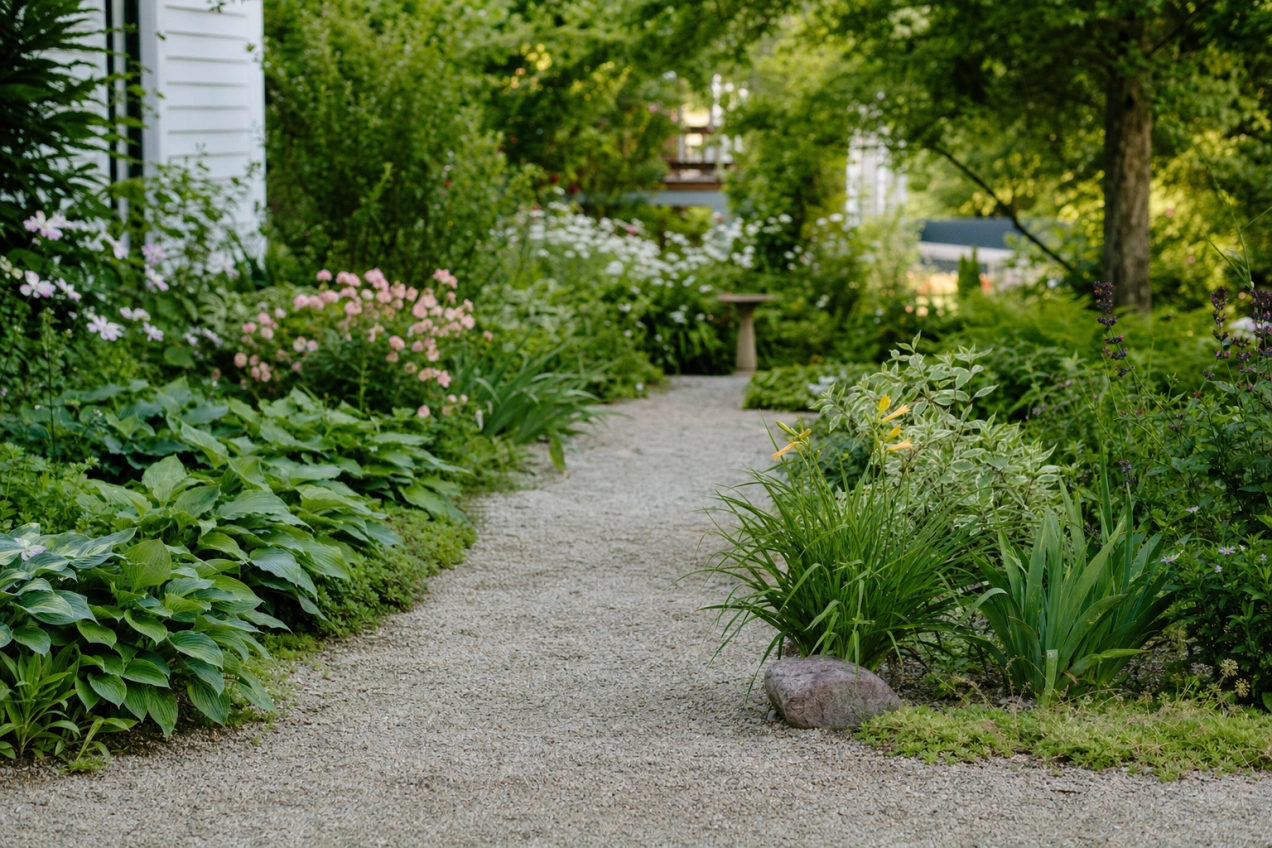
It’s tempting to convert every inch into garden beds and hardscaping, but if you have kids, pets, or just like lounging on grass, keep a real functional lawn section. Full conversion looks great in photos but isn’t always practical day to day.
12. Build in Shade for Hot Months
A pergola, a market umbrella, even a fast growing tree strategically placed, gives you somewhere usable during peak summer heat. I skipped this for two summers and basically avoided my own backyard in July because there was nowhere shaded to sit.
How to Combine These Without Overwhelming Your Budget
You don’t need to tackle everything in one season, and honestly trying to will probably burn you out fast. Start with the unglamorous stuff first, drainage and sun mapping, since building on top of those problems just means redoing work later. Then move into structure, pathways and zones, before layering in the prettier elements like lighting and a water feature. I spread mine across three years, one or two projects per season, and it never felt overwhelming that way. Slow and steady genuinely works better here than trying to do it all at once.
Frequently Asked Questions
What’s the cheapest way to start backyard landscaping? Gravel pathways and a few native plants are usually the most budget friendly starting point, since they require minimal materials and don’t demand ongoing watering or fertilizer once established.
How do I fix a backyard with poor drainage? Regrading the problem area slightly away from your house or installing a simple French drain are the most reliable fixes, and it’s worth solving this before investing in any planting or hardscaping nearby.
Do native plants really need less maintenance? Yes, since they’re already adapted to your local rainfall and soil conditions, native plants generally need less watering, fertilizing, and pest management than non native ornamental options.
What’s a common mistake in backyard landscaping? Copying photos without considering your actual yard’s sun exposure or drainage, which often leads to plants dying or hardscaping features that don’t function well in your specific space.
How long does it take to landscape a backyard properly? It varies a lot depending on scope, but tackling projects gradually across multiple seasons, rather than rushing everything at once, tends to produce better results and is easier on both your budget and energy.
Final Thoughts
Landscaping a backyard really is more marathon than sprint, and I wish someone had told me that clearly before I burned myself out trying to finish everything in one summer. Working with your actual space instead of against it makes such a difference.
Pick one or two ideas from this list to start with this season, maybe the drainage fix or a simple gravel path, and build from there. The rest will come together over time, promise.