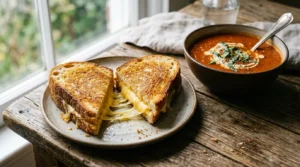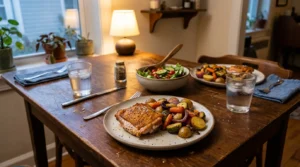
Let me guess. Someone handed you a cardiac diet sheet, probably in a hospital hallway, and now every meal feels like a math problem. Sodium here, saturated fat there, and somewhere in the middle of all that, you still have to cook dinner tonight.
I’ve been there. My dad had a stent placed three years ago, and I became the family’s unofficial heart healthy cook overnight.
So this post is everything I wish someone had told me in week one. Real cardiac diet recipes, real swaps, and the stuff nobody mentions, like the fact that your taste buds actually adjust to less salt in about three weeks. They really do.
Where to start without losing your mind
The cardiac diet sounds complicated but it boils down to a few moves. Keep sodium low, usually under 1,500 to 2,000 mg a day depending on what your doctor said. Cut saturated fat. Load up on vegetables, beans, fish, whole grains, and olive oil. That’s basically the whole game.
The biggest mistake I made early on? I tried to remove salt without replacing the flavor. Everything tasted flat and my dad quietly stopped eating. Once I learned to lean hard on acid (lemon, vinegar), garlic, smoked paprika, and fresh herbs, everything changed. Flavor first, then the rules follow.
1. Sheet pan lemon garlic salmon
Salmon twice a week is one of the easiest heart wins there is, thanks to those omega 3 fats. Toss broccoli and cherry tomatoes with a tablespoon of olive oil, lay the salmon on top, squeeze half a lemon over everything, add cracked pepper and minced garlic. Roast at 400°F for about 15 minutes. One pan, zero added salt, and it still tastes like a restaurant made it.
2. White bean and rosemary soup
Canned beans are a cardiac diet secret weapon, but here’s the tip nobody gives you: rinse them under cold water for 30 seconds and you wash away up to 40 percent of the sodium. Simmer two rinsed cans of white beans with garlic, fresh rosemary, low sodium broth, and a handful of spinach. Blend half the pot for creaminess without any cream.
3. Overnight oats with walnuts and berries
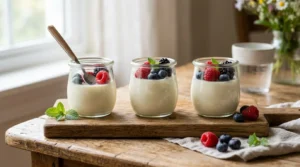
Oats bring soluble fiber, which literally helps pull cholesterol out of your system. Mix half a cup of rolled oats with milk, a spoon of chia seeds, frozen blueberries, and crushed walnuts, then leave it in the fridge overnight. And skip the flavored oatmeal packets, some of them carry more sodium than a bag of chips. That one shocked me.
4. Turkey and lentil chili
Regular chili can be a sodium bomb between the seasoning packet and the canned everything. Make your own with lean ground turkey, dried lentils, no salt added crushed tomatoes, cumin, chili powder, and a pinch of cinnamon. The cinnamon sounds weird. Trust me, it rounds out the flavor so well you won’t miss the salt.
5. Mediterranean chickpea bowls
This one became our Tuesday default. Chickpeas, cucumber, tomato, red onion, a little feta (a little, it’s salty), brown rice, and a dressing of olive oil, lemon, and oregano. It sits happily in the fridge for three days, which makes it perfect meal prep for busy weeks.
6. Baked chicken with smoked paprika rub
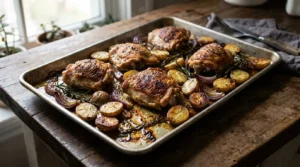
Here’s something I noticed after months of cooking this way: smoked paprika tricks your brain into tasting richness. Rub chicken thighs (skin removed) with smoked paprika, garlic powder, black pepper, and a whisper of olive oil, then bake at 425°F until done. It tastes indulgent. It isn’t.
7. Zucchini and oat veggie burgers
Store bought veggie burgers often hide 400+ mg of sodium each. Grate a zucchini, squeeze it dry with a towel (don’t skip this or they fall apart, learned that the messy way), and mix with oats, an egg, black beans, and spices. Pan fry in olive oil. Freeze extras between parchment squares.
8. Slow cooker vegetable barley stew
Barley is criminally underrated. It’s chewy, filling, and great for cholesterol. Throw pearl barley, carrots, celery, mushrooms, low sodium broth, thyme, and a bay leaf into the slow cooker for six hours on low. Finish with a splash of balsamic vinegar right before serving. That splash wakes the whole pot up.
9. Garlic ginger stir fry, minus the soy sauce flood
Regular soy sauce packs around 900 mg of sodium per tablespoon. Ouch. Use one tablespoon of low sodium soy sauce stretched with rice vinegar, fresh ginger, garlic, and a teaspoon of honey. Stir fry shrimp or tofu with whatever vegetables are dying in your crisper drawer. Dinner in 12 minutes.
10. Baked sweet potato with black bean salsa
Sweet potatoes bring potassium, which actually helps counter sodium’s effect on blood pressure. Bake one until soft, then top with rinsed black beans, corn, diced tomato, lime juice, and cilantro. Cheap, filling, and my dad requests this one without being asked. That’s the real test.
11. Greek yogurt ranch dip for everything
The moment vegetables got a good dip, they started disappearing in our house. Mix plain nonfat Greek yogurt with dried dill, garlic powder, onion powder, chives, black pepper, and a squeeze of lemon. It scratches the ranch itch with a fraction of the sodium and none of the saturated fat.
12. Dark chocolate bark with almonds
Yes, dessert. A cardiac diet that bans all joy is a diet nobody follows past February. Melt dark chocolate that’s 70 percent cocoa or higher, spread it thin on parchment, press in almonds and a few dried cherries, and chill. Two small pieces after dinner. Everybody stays sane.
How to actually build a week around these
Don’t try to cook all twelve. Pick three. Seriously, just three. Make the chili or barley stew on Sunday in a big batch, do the chickpea bowls for lunches, and keep salmon night sacred midweek. Batch cooking matters more than variety in the beginning, because decision fatigue is what sends people back to takeout. Keep rinsed beans, frozen fish, and a stocked spice rack on hand at all times, and read labels on anything in a package. Bread, sauces, and deli meat are where sodium hides, not the salt shaker. After a month of this rhythm, you’ll stop measuring and start cooking on instinct, and that’s when it becomes a lifestyle instead of a prescription.
Frequently asked questions
What foods should you avoid on a cardiac diet? The big ones are processed meats like bacon and deli slices, canned soups, frozen dinners, salty snacks, fried food, and full fat dairy. Restaurant food is sneaky too, one entrée can hold a whole day’s sodium. Cooking at home is honestly the single biggest lever you have.
How much sodium is allowed on a cardiac diet? Most cardiologists recommend staying under 2,000 mg a day, and some patients are told 1,500 mg. Your own number comes from your doctor, so follow their sheet over anything you read online, including this post.
Can you eat eggs on a heart healthy diet? For most people, yes, current guidance allows up to about one egg a day as part of an overall healthy pattern. If your cholesterol is very high, your doctor may suggest leaning on egg whites more. Ask at your next visit rather than guessing.
What is the best breakfast for heart patients? Oatmeal with berries and walnuts is the classic for a reason, thanks to the soluble fiber and omega 3s. Plain Greek yogurt with fruit or whole grain toast with avocado also work great. Skip the breakfast sausage and the sugary cereals.
Are cardiac diet recipes good for the whole family? Completely. These are just normal, tasty meals with less junk in them. Nobody in my house eats a separate meal, and honestly the kids never noticed the switch.
Final thoughts
Three years into cooking this way, I can tell you the cardiac diet stops feeling like a diet. It just becomes how you cook. The salt cravings fade, the recipes get faster, and somewhere along the way you realize you feel better too, even if you weren’t the patient.
Start with one recipe from this list this week. Just one. And if you find a swap or a trick that works for your family, pass it along to someone who just got handed that same scary hospital sheet. They need it more than they’ll admit.