
My eyes take a beating, and I doubt I’m alone in this.
Phone first thing in the morning. Laptop all day. TV at night. Somewhere in that nonstop screen time I just expect them to keep up, and then I’m surprised when they feel dry, tired, and puffy by the evening. Sound familiar?
The good news is that eyes are pretty good at bouncing back when you actually give them a chance. A few small habits and soothing tricks can make a real difference to how yours feel day to day. So here’s everything I’ve learned about giving tired, strained eyes some genuine relief.
Why our eyes need more care than we give them
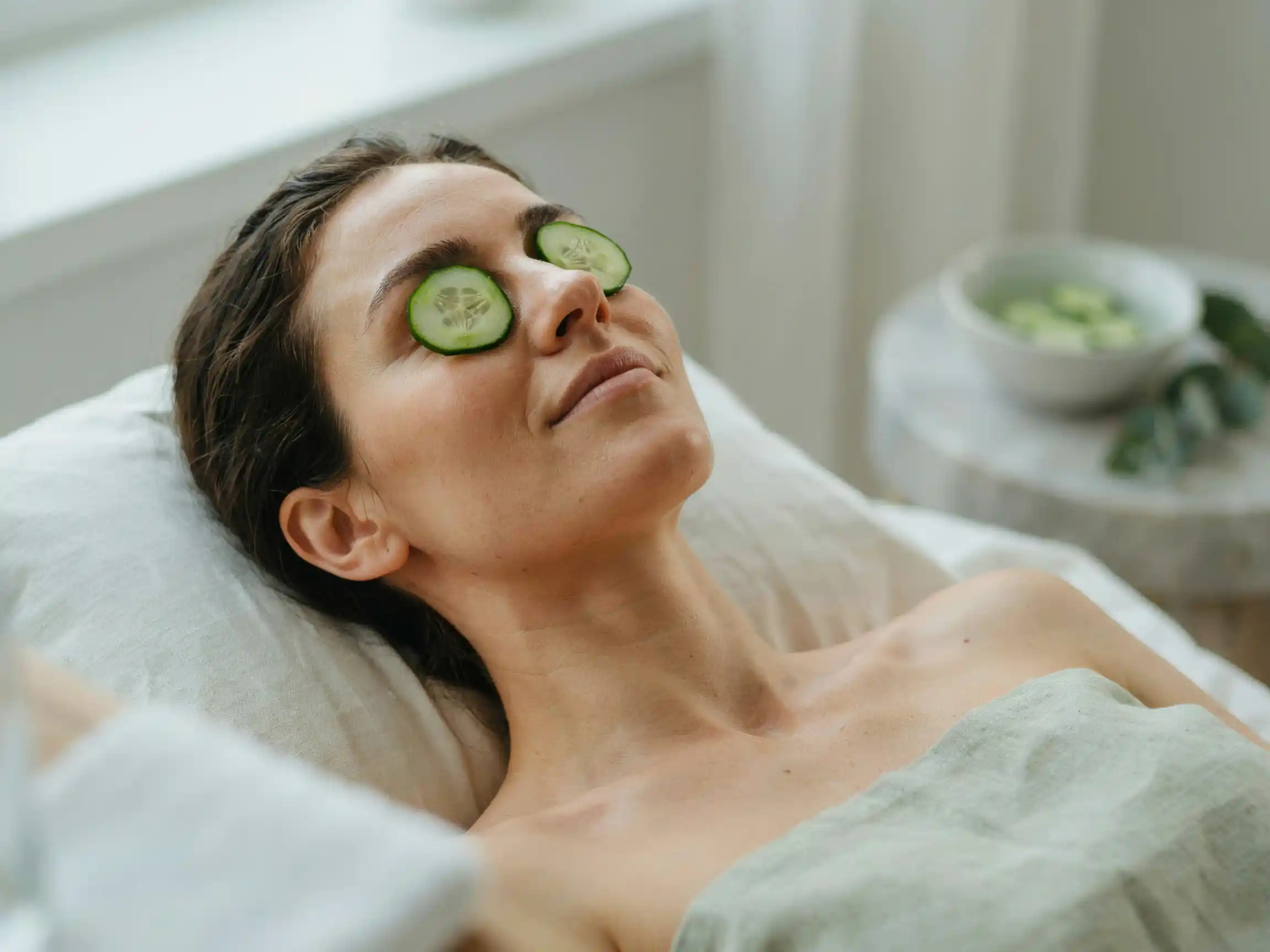
We ask a lot of our eyes and rarely give anything back. Hours of screen time, harsh lighting, not enough sleep, and barely blinking while we scroll all add up to that gritty, heavy, worn-out feeling. It’s so normal now that we forget it isn’t how eyes are supposed to feel. The fixes aren’t complicated, though, they’re mostly about rest, hydration, and a little intention.
Rest them with the 20-20-20 rule
This is the easiest habit on the list, and the one that helped me most. Every 20 minutes, look at something about 20 feet away for around 20 seconds. That tiny break lets your eye muscles relax instead of staying locked on a screen all day. Set a reminder if you have to. It sounds too simple to matter, but your eyes feel the difference.
A cold compress for puffiness
When my eyes are puffy and tired, especially in the morning, cold is my go-to. A cool compress, chilled spoons, or a cold gel mask over closed eyes for a few minutes helps calm puffiness and that swollen, heavy feeling. It’s refreshing, it wakes you up, and it takes barely any effort.
A warm compress for dry, tired eyes
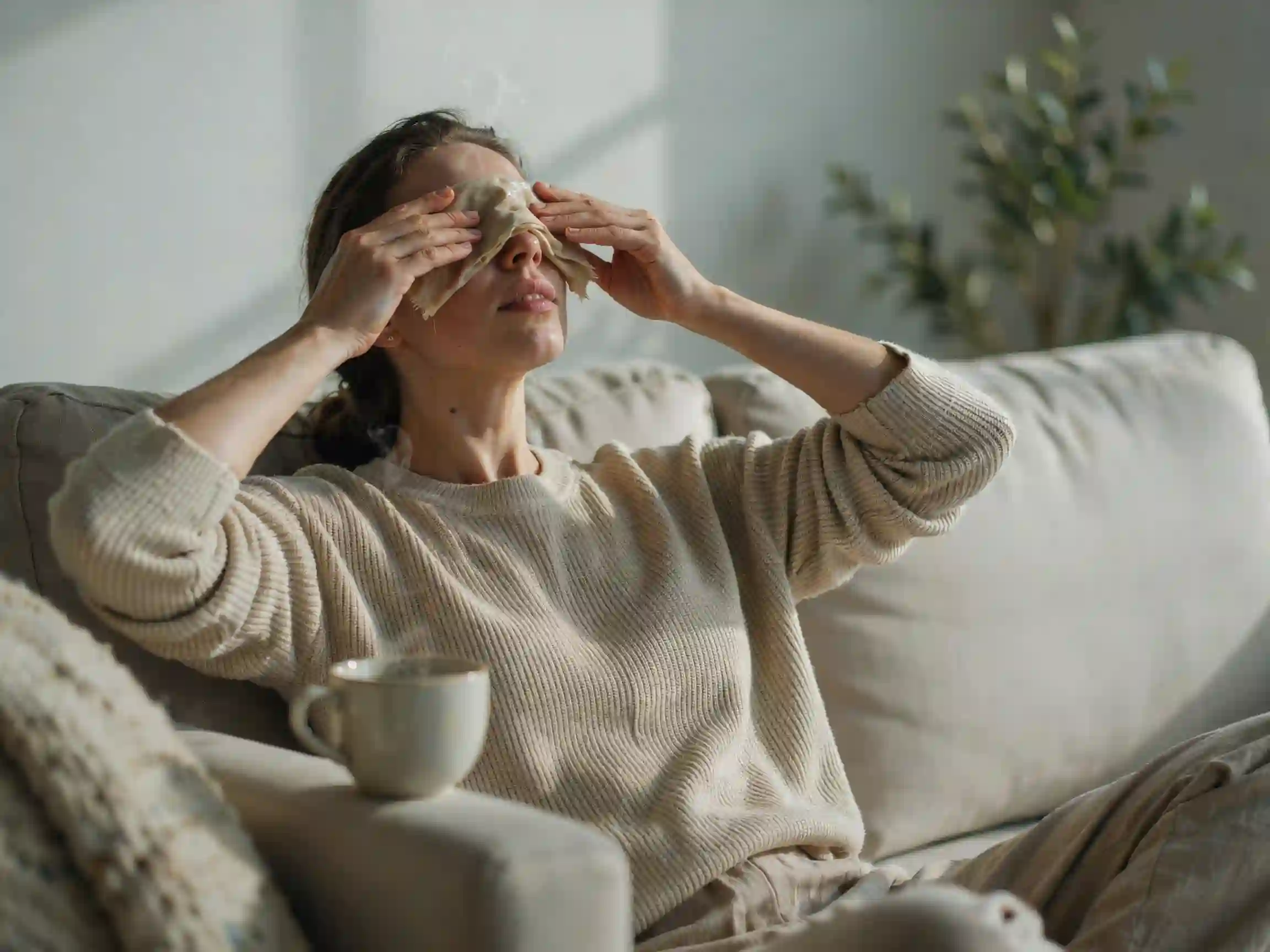
On the flip side, when my eyes feel dry and strained rather than puffy, gentle warmth helps. A warm (not hot) compress over closed eyes for a few minutes soothes tiredness and can ease that dry, scratchy feeling. It’s the perfect little wind-down ritual at the end of a long screen day.
Cut down the screen strain
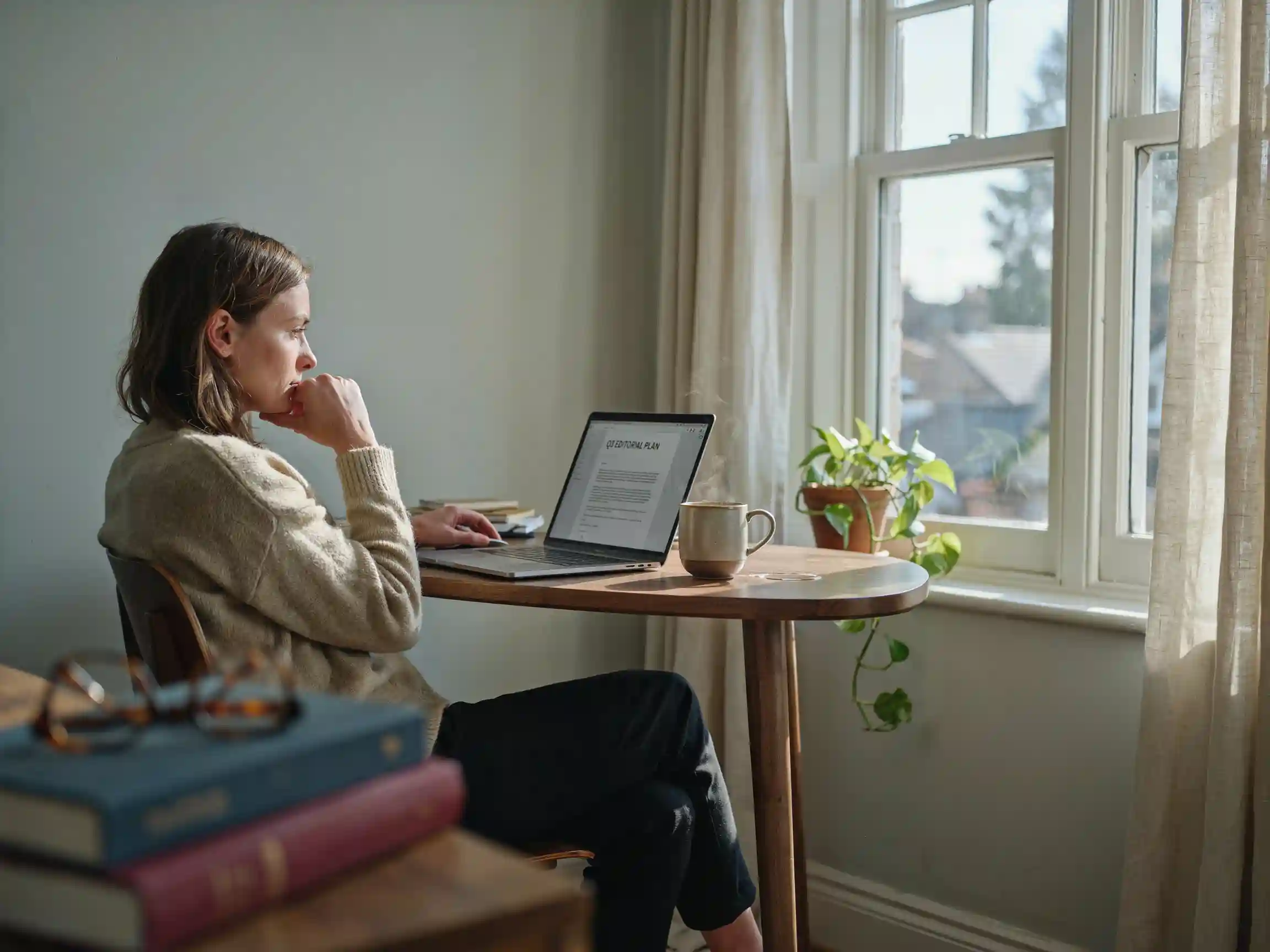
Since screens are the main culprit, a few tweaks go a long way. Take regular breaks, keep your screen a comfortable distance away, and adjust the brightness so it isn’t fighting the light in your room. Remembering to blink fully helps too, because we blink way less when we stare at screens, and that’s a big reason eyes dry out.
Don’t underestimate sleep and water
So much of eye comfort comes down to the basics. Poor sleep shows up fast in tired, puffy eyes and dark circles, so getting enough rest genuinely helps them recover. And staying hydrated keeps your eyes from drying out, since dehydration makes that gritty feeling worse. Boring advice, maybe, but it works.
The classic soothing remedies
There’s a reason the old-school tricks have stuck around. Cool cucumber slices over closed eyes, chilled tea bags, or a soothing eye mask all feel lovely and help with tired, puffy eyes. Honestly, half the benefit is just lying still with your eyes closed for ten minutes, which your eyes desperately need anyway. Treat it as a mini break, not just a beauty step.
A gentle eye-area massage

A light massage around the eyes can ease tension and help with that tired, heavy feeling. Using clean hands or a cool roller, gently press and sweep around the orbital bone, never tugging or pressing hard on the eye itself. It’s relaxing, it may help reduce puffiness, and it feels amazing after a long day.
Eat with your eyes in mind

What you eat supports your eyes, too. Foods rich in vitamin A like carrots and leafy greens, plus omega-3s from things like fish and nuts, are often linked to eye health. A colorful, balanced diet and plenty of water give your eyes the nutrients they like. It’s not a quick fix, but it’s a kind, long-term habit.
Protect them day to day
A little prevention saves a lot of strain. Wear sunglasses to shield your eyes from harsh sun, consider easing blue light exposure in the evenings, and try hard not to rub your eyes when they’re irritated, since that often makes things worse and can spread irritation. Small protective habits keep your eyes happier over time.
When to see an eye doctor
Most tired, strained eyes just need rest and care. But your eyes will sometimes signal that something needs proper attention. If you have ongoing pain, blurred or changing vision, persistent redness or dryness, or any symptoms that worry you, see an eye doctor. Soothing tips are great for everyday tiredness, but a professional should handle anything that lingers or feels off.
Frequently Asked Questions
How can I soothe tired, strained eyes naturally? Rest them with the 20-20-20 rule, use a cool or warm compress, stay hydrated, get enough sleep, and take regular breaks from screens. Cucumber slices, chilled tea bags, or a soothing eye mask help too.
What helps with puffy eyes in the morning? A cold compress, chilled spoons, or a cool gel mask over closed eyes for a few minutes can calm puffiness. Good sleep and staying hydrated also make a big difference over time.
How do I reduce eye strain from screens? Follow the 20-20-20 rule, take regular breaks, keep your screen at a comfortable distance and brightness, and remember to blink fully. Easing blue light in the evenings can help as well.
What foods are good for eye health? Foods rich in vitamin A like carrots and leafy greens, and omega-3s from fish and nuts, are often linked to eye health. A balanced, colorful diet and plenty of water support your eyes overall.
When should I see a doctor about my eyes? If you have ongoing eye pain, blurred or changing vision, persistent redness or dryness, or symptoms that worry you, see an eye doctor. Everyday tiredness is normal, but lingering issues need professional care.
Final Thoughts
Healing tired, strained eyes usually comes down to giving them what we forget to: rest, hydration, and a few minutes of calm. The 20-20-20 rule, a soothing compress, better sleep, and small protective habits add up to eyes that feel a whole lot better.
Pick a couple of these to try this week, especially the screen breaks, and notice how your eyes feel by evening. They do so much for you every single day, so a little care back is the least they deserve.
This article shares general wellness tips and isn’t medical advice. For ongoing eye problems, pain, or vision changes, please see an eye care professional.