
Here’s a little design detail almost nobody thinks about: your outlet covers. You know, those plain beige or white plastic plates dotting your walls. They’re easy to ignore, right up until you really look. And then suddenly they’re the one thing sticking out in an otherwise pretty room.
The good news is that painting them is one of the cheapest, fastest upgrades you can make. We’re talking a few dollars and an afternoon, tops. The right finish can make an ugly cover vanish into the wall, or turn it into a tiny burst of personality you didn’t even know your room was missing.
Whether you want yours to blend in or stand out, here are a bunch of outlet cover painting ideas to try, plus the safety steps and tips to get a clean, professional result.
Why Paint Your Outlet Covers?
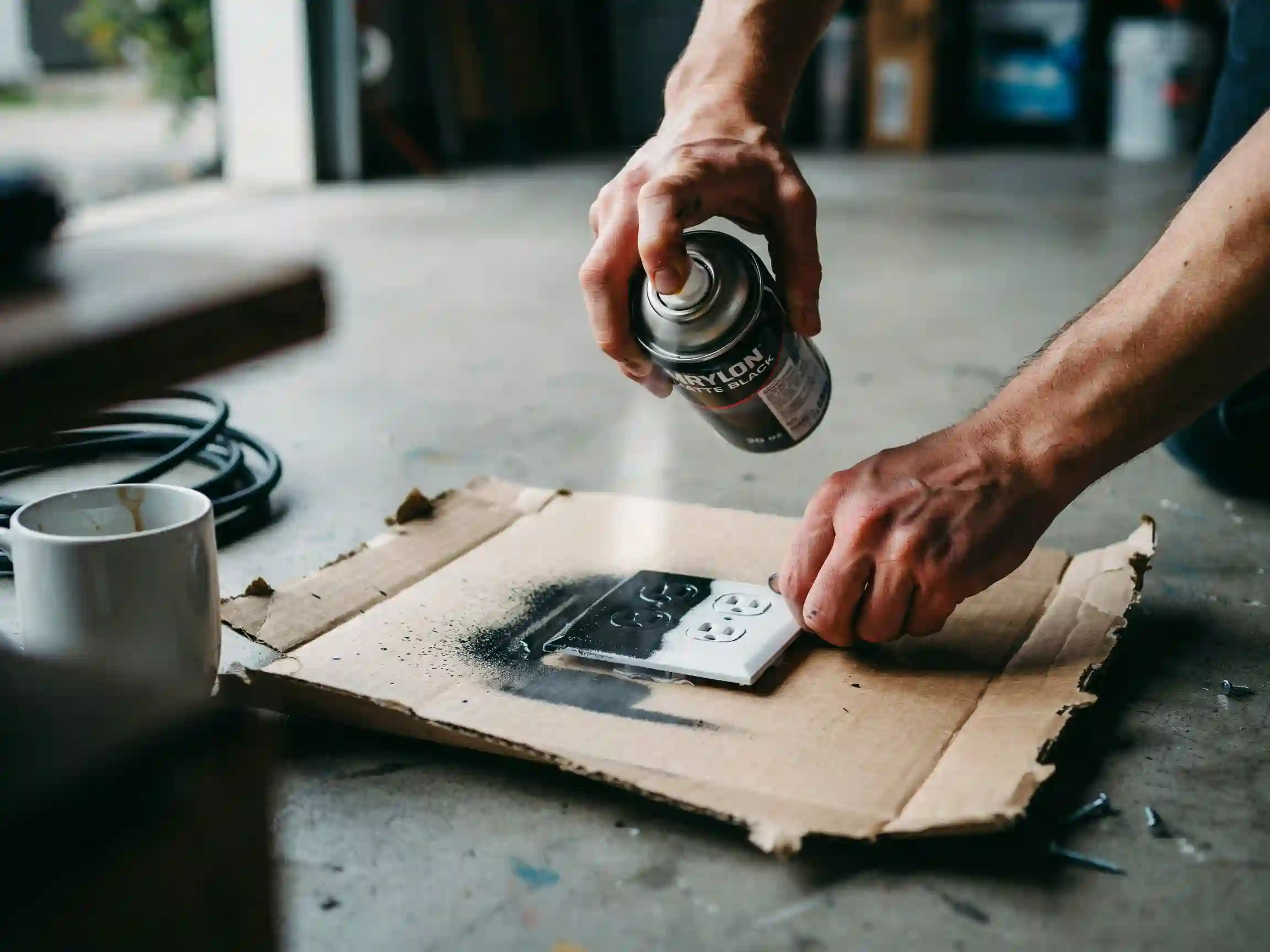
It comes down to impact versus effort. For almost no money and very little time, you can fix a detail that quietly drags down the whole look of a room. Mismatched or yellowed covers are surprisingly distracting once you notice them.
Painting also lets you customize. You can match your exact wall color, coordinate with your trim, or add a playful touch in a kid’s room. It’s the kind of small project that makes a space feel finished and intentional, like someone actually thought about it.
Before You Start: Safety and Prep
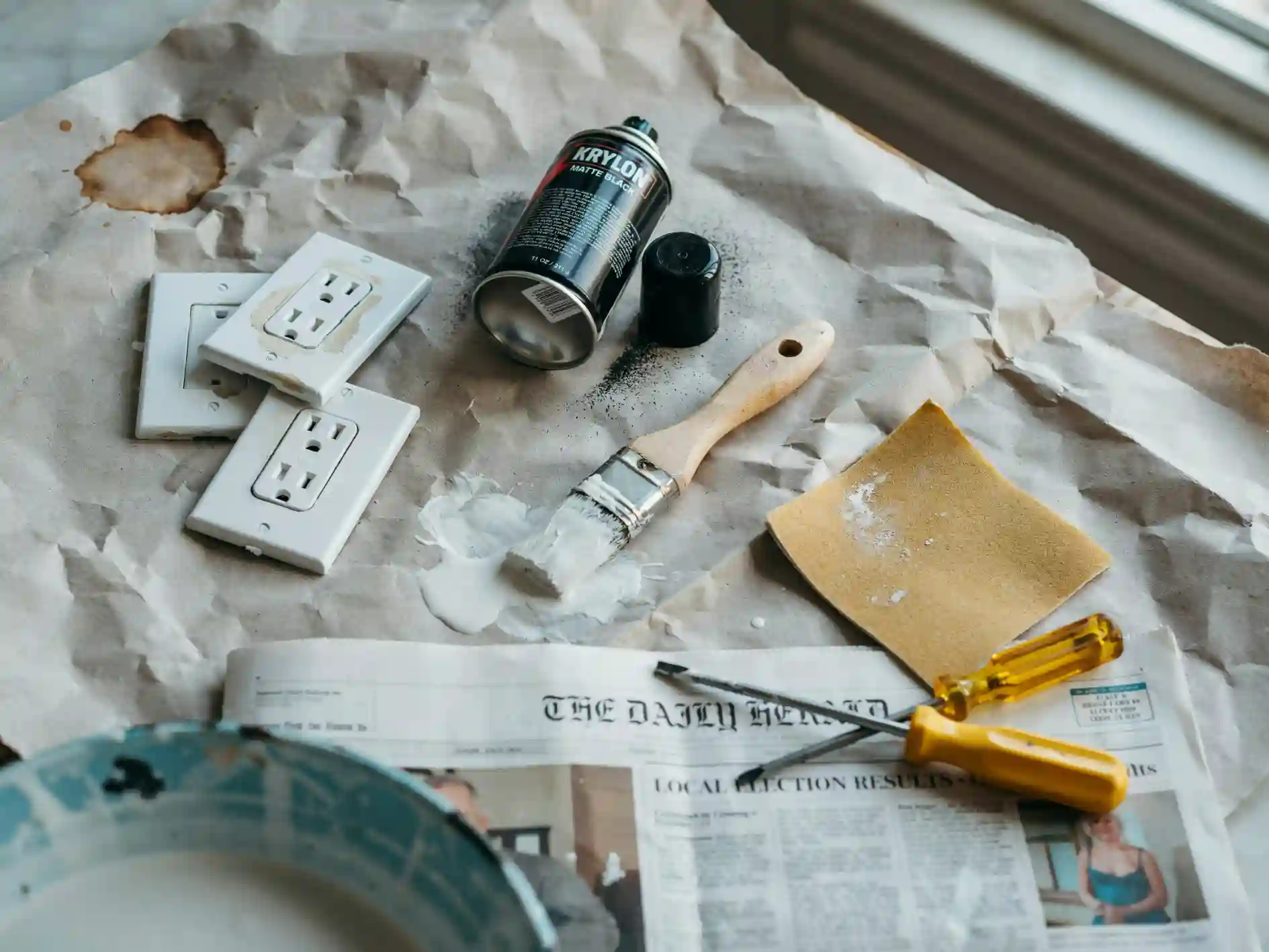
This part matters, so don’t skip it. For safety, flip off the power to that outlet at the breaker box before you do anything. Then unscrew the cover plate and remove it completely. You always want to paint the plate off the wall, on a separate surface, never while it’s still attached and definitely never the actual outlet or its metal contacts.
Once the plate is off, wipe it down so it’s clean and grease-free, give it a light sanding so the paint grips, and apply a primer made for plastic or metal. Let everything dry fully between steps. A little patience here is the difference between a smooth finish and a peely mess later.
Paint Them to Match the Wall
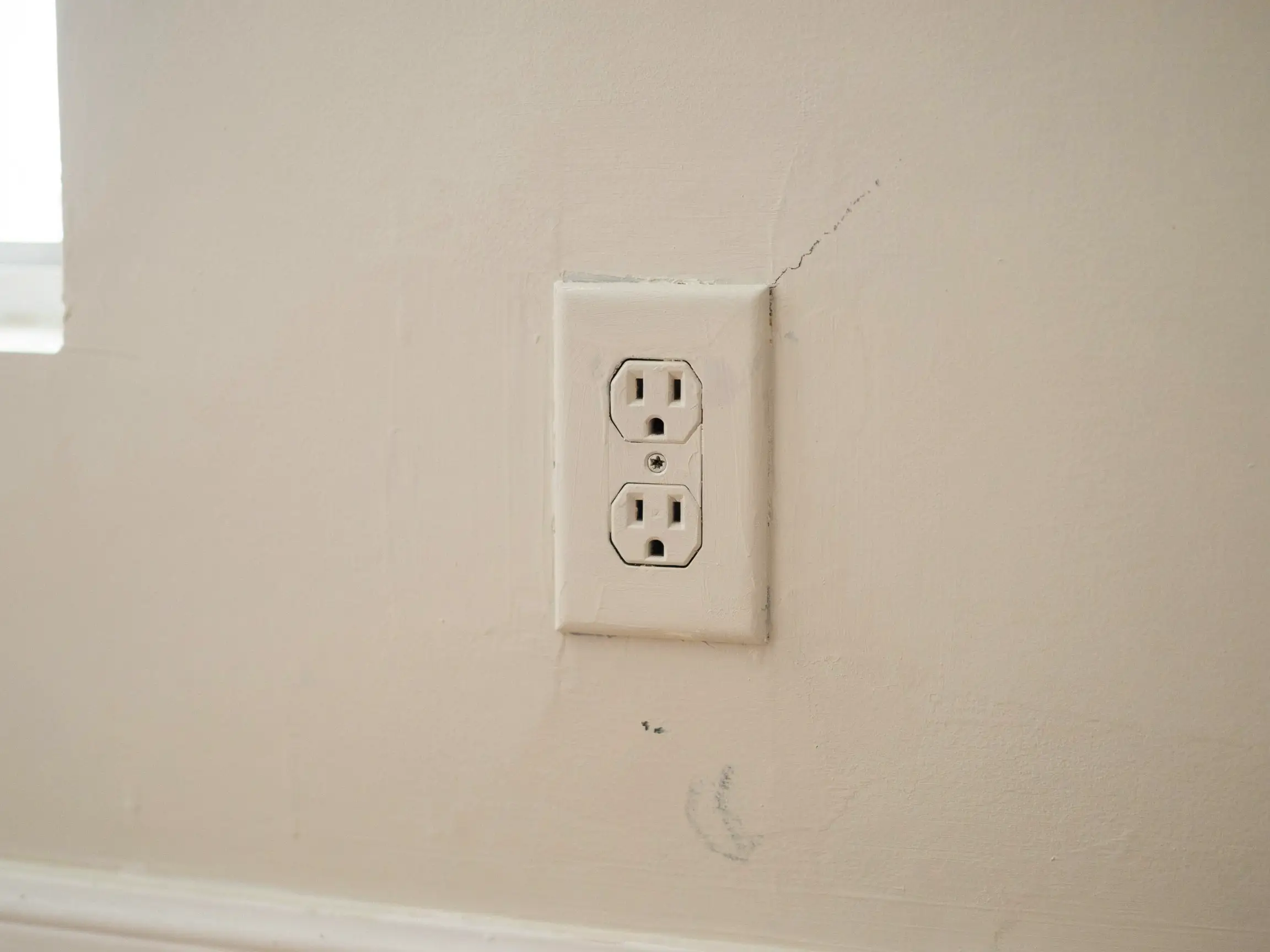
The most popular move is making them disappear. Paint the cover the exact same color as your wall and it blends right in, so your eye glides past it instead of snagging on it. This is perfect for a clean, seamless look, especially on a boldly colored or dark wall where a white plate would otherwise scream for attention.
Match the Trim or Molding
Another classic option is coordinating with your woodwork. Painting the covers the same shade as your baseboards, door frames, or crown molding ties the whole room together. It reads as a deliberate design choice rather than an afterthought.
Go Bold with an Accent Color
Who says they have to hide? A cover painted in a fun contrasting color can become a sweet little accent. Think a pop of mustard on a navy wall, or a soft sage against cream. It’s a low-risk way to play with color, since you can always repaint it in five minutes if you change your mind.
Try a Metallic or Gold Finish
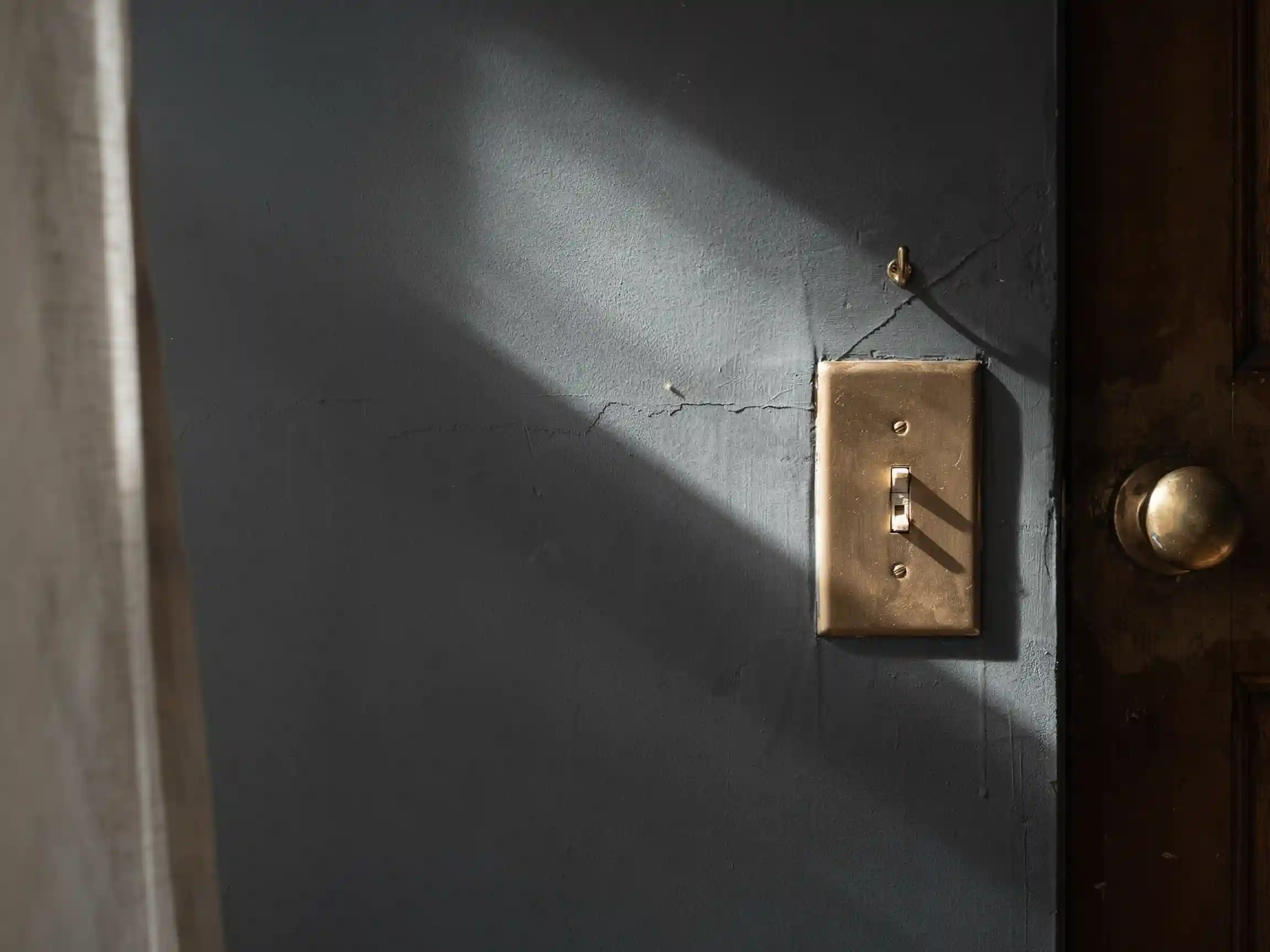
For a touch of glam, metallic paint is your friend. Gold, brass, copper, or matte black covers feel upscale and modern, and they pair beautifully with similar hardware and light fixtures. A metallic plate against a moody wall looks far more expensive than the dollar or two it actually costs.
Add Patterns and Stencils
If you’ve got a steadier hand or a stencil, you can get creative. Stripes, polka dots, a small floral motif, or a geometric pattern turn a boring cover into a tiny piece of art. Keep the design simple so it complements the room instead of fighting with it.
Experiment with Ombré
For something a little artsy, blend two shades into a soft ombré or gradient across the plate. It’s surprisingly easy with a sponge and looks gorgeous in a creative space, a nursery, or a bohemian-style room. Each one comes out slightly unique, which is part of the charm.
Fake a Faux Finish
Paint can imitate pricier materials. A marble effect, a wood-grain look, or a stone texture on your covers adds richness without the cost. Faux marble in particular looks high-end and pairs nicely with elegant, minimalist decor.
Use Chalkboard Paint
Here’s a fun and functional one: chalkboard paint. A chalkboard outlet cover lets you doodle, leave notes, or label things, which is genuinely handy in a kitchen, home office, or kids’ play area. It’s practical and playful at the same time.
Get Playful in Kids’ Rooms
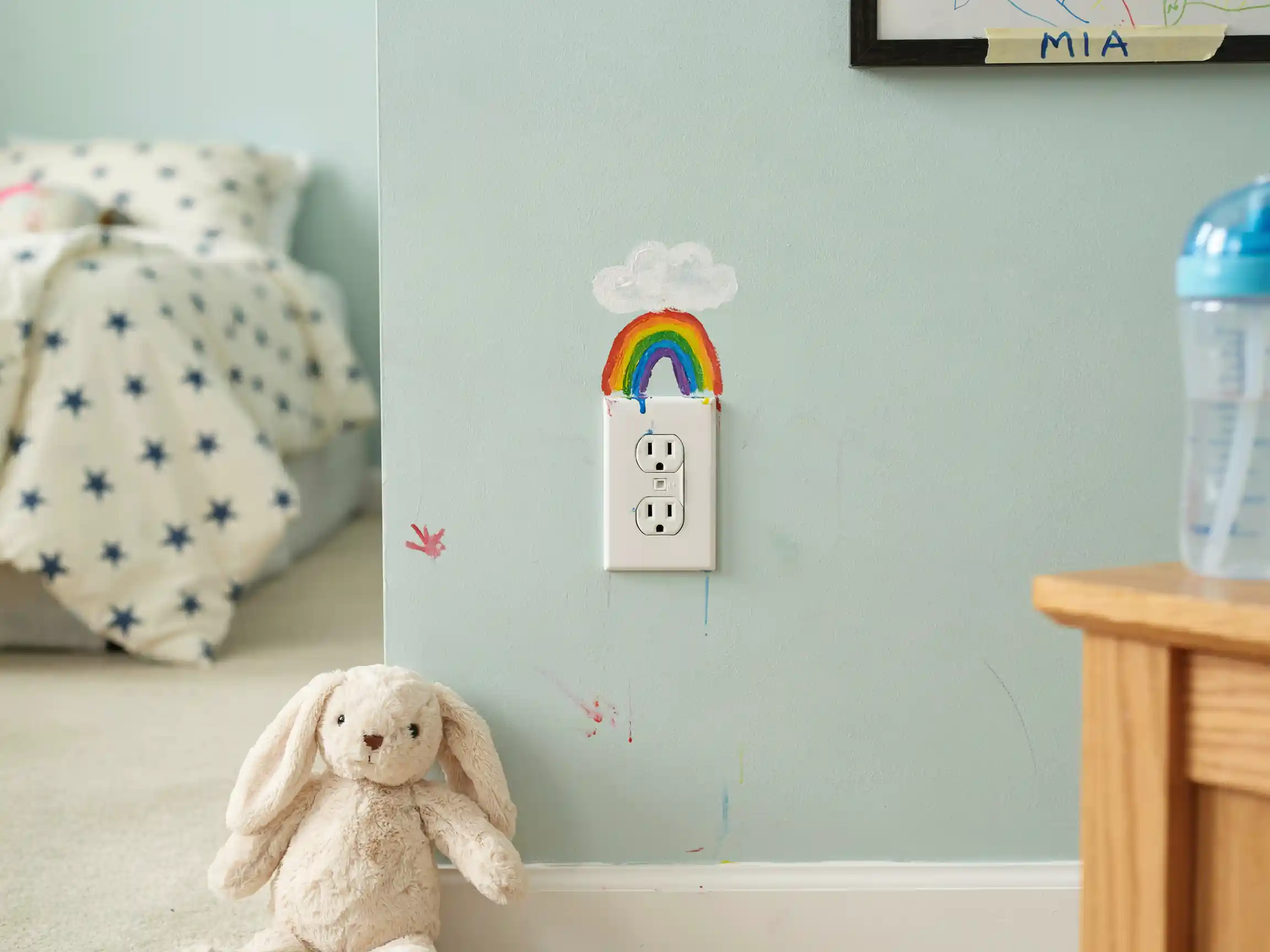
Children’s rooms are the perfect place to have fun with this. Paint covers to look like little robots, animals, clouds, or rainbows, or simply match them to a colorful theme. A small detail like this delights kids and pulls the whole room’s look together for almost nothing.
Coordinate with Your Wallpaper
If you’ve got patterned wallpaper, a plain white cover can break the flow. Painting the covers in a color pulled straight from the wallpaper helps them blend into the pattern so the wall feels continuous and polished.
What Paint Should You Use?
For the best results, start with a primer made for plastic or metal so the color actually sticks. After that, spray paint gives the smoothest, most even finish and is great for metallic and solid colors. Acrylic or craft paint works well for detailed designs and patterns, and enamel paint is a durable choice for high-touch areas. Whatever you use, finish with a clear sealer or topcoat to protect against chips and fingerprints.
Tips for a Professional Finish
Thin coats are the golden rule, since thick paint drips, bubbles, and stays tacky. Build up the color gradually and let each layer dry. Always work on the plate off the wall and in a well-ventilated spot, especially with spray paint. Seal it once you’re done, let it cure completely, and only then screw it back into place. Rushing the reattachment is the fastest way to mar your fresh finish.
Frequently Asked Questions
Can you paint plastic outlet covers? Yes. Just clean them, lightly sand the surface, and use a primer made for plastic first so the paint adheres. Finish with a sealer for durability.
Is it safe to paint outlet covers? It’s safe as long as you do it right. Turn off the power at the breaker, remove the cover plate, and paint it off the wall. Never paint the actual outlet, the screws’ contacts, or any metal electrical parts.
What kind of paint works best on outlet covers? Spray paint gives the smoothest finish, while acrylic or craft paint is better for detailed designs. Always prime first and seal afterward, no matter which you choose.
Should outlet covers match the wall or the trim? Either works. Matching the wall makes them disappear for a seamless look, while matching the trim ties the room together. It comes down to whether you want them to blend in or feel coordinated.
How do I keep painted outlet covers from chipping? Prime before painting, apply thin coats, and finish with a clear protective topcoat. Letting everything cure fully before reattaching also helps the paint hold up over time.
Final Thoughts
Outlet covers are tiny, but they’re everywhere, and once you start noticing them you can’t un-notice them. The beauty of painting them is how much polish you get for so little money and effort. Blend them in, dress them up, or have a little fun with them in the kids’ room.
Pick a wall, grab a screwdriver and some paint, and start with one. It’s the kind of small upgrade that makes you look around and wonder what else you can quietly perfect.