There’s a reason your favorite cozy corner online is always full of plants. A room with greenery just feels different calmer, softer, more alive. Like someone actually lives there and cares about the space.
The indoor house plants aesthetic is that feeling turned into a look. It’s the trailing pothos spilling off a shelf, the big leafy statement plant catching the morning light, the little terracotta pots clustered on a windowsill. Equal parts decor and quiet good mood.
And the genuinely nice part? You don’t need a greenhouse or a green thumb to pull it off. A handful of the right plants, a few styling tricks, and pots that actually suit your space will get you most of the way there. So let’s build the look.
What Makes an Indoor Plant “Aesthetic”?
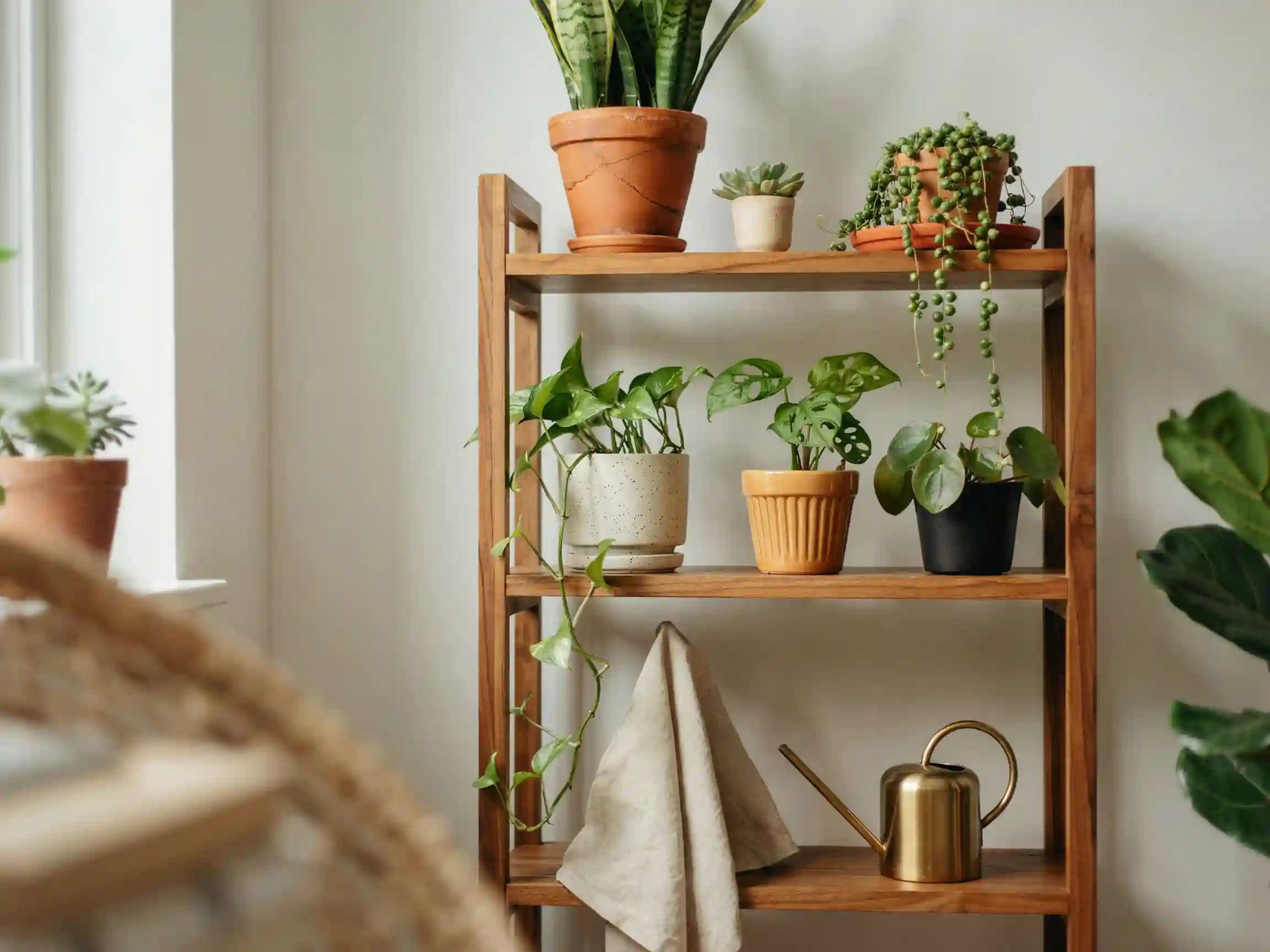
Not every plant photographs like a dream, and that’s okay. The ones that anchor this look usually have something going for them interesting leaf shapes, a nice trailing habit, or that lush, full silhouette that reads “intentional.”
Think bold split leaves, soft cascading vines, or sculptural stems. The aesthetic isn’t really about owning rare plants, though. It’s about how you arrange them, what you plant them in, and how they play off the rest of your room.
The Best Aesthetic Indoor Plants to Start With
Here are the reliable favorites, sorted by the job they do in a room.
Statement plants for empty corners
These are your anchors the big, leafy ones that fill blank space and instantly make a room look finished. Monstera deliciosa with its iconic split leaves is the poster child for a reason. A fiddle leaf fig brings tall, dramatic height (just know it can be a bit dramatic to care for, too). A rubber plant gives you glossy, deep-green leaves and forgives more of your mistakes.
Pop any of these in a corner near a window, set it in a woven basket, and watch the whole room level up.
Trailing plants for shelves and hanging spots
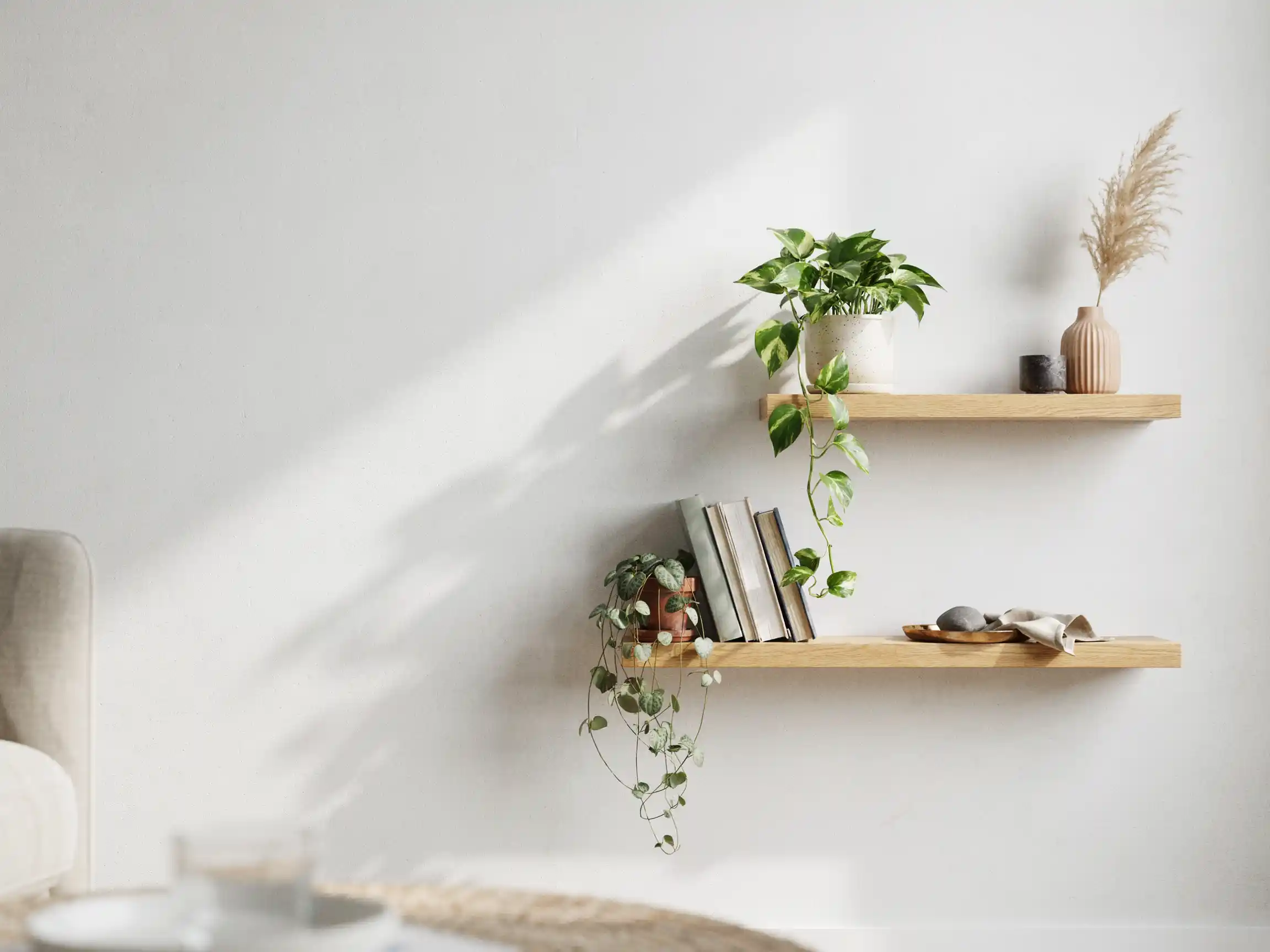
Vines are what give the look that lush, overgrown-in-a-good-way feeling. Pothos is the easy hero here it trails for days and grows in almost any light. Heartleaf philodendron does the same with sweet little heart-shaped leaves. For something more delicate, string of pearls or string of hearts spills down beautifully from a high shelf or a hanging planter.
Let these cascade off bookshelves, mantels, or macramé hangers to add height and movement.
Easy-care plants that thrive on neglect
If you forget to water things (no judgment), these are your people. The snake plant stands tall and sculptural and basically wants to be left alone. The ZZ plant has glossy leaves and tolerates low light like a champ. Both look modern and crisp, and both will outlast your worst plant-parent weeks.
Small plants for desks and tight spots
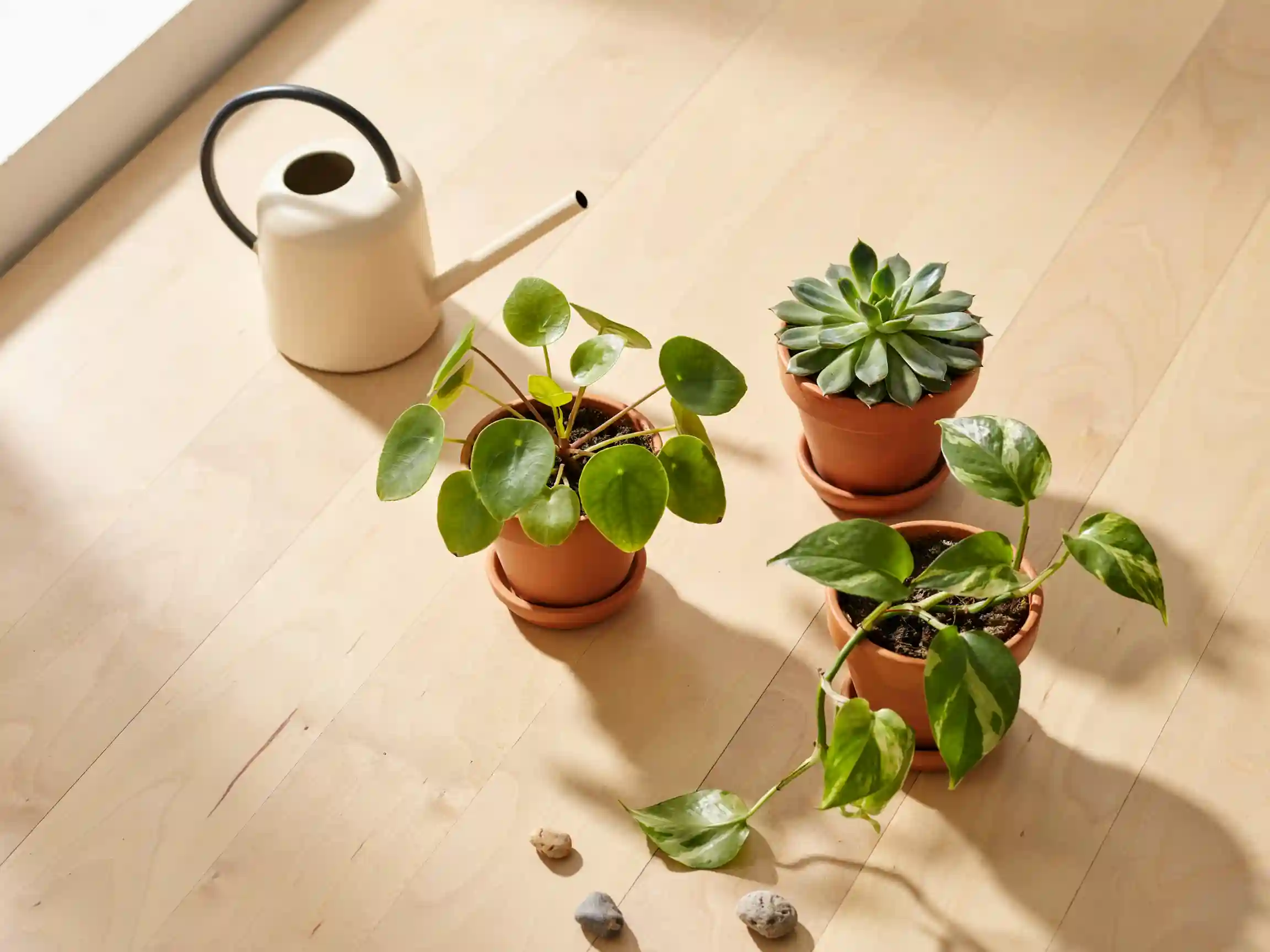
Not every spot needs a giant. A little pilea (the pancake plant) is adorable on a desk. A small calathea brings patterned, painterly leaves to a nightstand. Tiny succulents and a single trailing vine can dress up a windowsill without crowding it.
Pick a Vibe First
Before you buy ten plants, decide on the feeling you’re after. It’ll save you from a room that looks busy instead of styled.
If you love the boho jungle look, go maximal lots of plants, mixed textures, woven baskets, macramé, layered greenery everywhere. If you lean minimalist or Scandi, fewer is more: one or two sculptural plants, clean ceramic pots, lots of breathing room. A modern space loves architectural plants like snake plants in matte black or concrete planters. And cottagecore is all about soft, trailing, slightly wild greenery with vintage pots and warm light.
You can absolutely mix, but knowing your direction keeps things cohesive.
Styling Tricks That Make the Whole Difference
The plants matter, but how you arrange them matters just as much. A few small moves:
- Vary your heights. Floor plants, shelf plants, hanging plants. Layering levels is what makes a corner feel designed instead of random.
- Group in odd numbers. Clusters of three or five look more natural and balanced to the eye than neat little pairs.
- Let your pots do work. Terracotta is warm and timeless, ceramic feels polished, woven baskets add texture. Pick a loose palette so they look collected, not chaotic.
- Use stands and shelves. A simple plant stand lifts a single plant into a feature. Floating shelves turn a bare wall into a green moment.
- Mix leaf shapes. Pair big broad leaves with fine trailing vines and something spiky. Contrast is what keeps it interesting.
Honestly, even three plants styled well beat fifteen plants shoved on a sill.
A Quick Room-by-Room Guide
Living room: This is where the statement plants shine. A tall monstera or fiddle leaf in the corner, a trailing plant on the shelf, done.
Bedroom: Keep it calm. A snake plant or pothos on the nightstand, maybe one hanging plant for softness. Greenery here just makes the room feel more restful.
Kitchen: Small pots of herbs on the windowsill are both pretty and useful, and a trailing pothos on top of the cabinets looks effortless.
Bathroom: If you’ve got a window, lean in many plants love the humidity. Calatheas, ferns, and pothos thrive there and turn a plain bathroom into a little spa.
Workspace: A small desk plant genuinely helps. A pilea or a tiny succulent adds life without getting in the way of your laptop.
Best Picks for Total Beginners
New to all this? Start with the forgiving ones. Pothos, snake plant, ZZ plant, and heartleaf philodendron are nearly impossible to kill and still look great. Get comfortable with those first, enjoy a few wins, and work your way up to the fussier divas like the fiddle leaf fig later.
Real Plants or Faux?
Real plants give you that living, ever-changing texture (and cleaner air, supposedly), but they need light and a little attention. Good-quality faux plants have come a long way and are perfect for dark corners, super-busy schedules, or spots you just can’t keep a real plant alive in. There’s zero shame in mixing both nobody’s checking, and your room still looks amazing.
Keep Them Looking Good
A thriving plant is an aesthetic plant, so a little care goes a long way:
- Don’t drown them. Overwatering kills more houseplants than anything else. Check that the top inch of soil is dry before you water.
- Match the plant to the light. A sun-lover in a dark corner will sulk. Read the plant’s light needs and place it accordingly.
- Dust the leaves. A quick wipe keeps them glossy and lets them soak up light. Dusty leaves look tired in photos, too.
- Rotate now and then. Plants lean toward the light, so a quarter turn every couple of weeks keeps them growing evenly and full.
Frequently Asked Questions
What are the best aesthetic indoor plants for beginners? Pothos, snake plant, ZZ plant, and heartleaf philodendron are the easiest to keep alive and still look beautiful. They handle imperfect light and irregular watering, which makes them ideal for your first few plants.
How do I make my plants look more aesthetic? Style them rather than just placing them. Vary the heights, group plants in odd numbers, swap plastic nursery pots for terracotta or woven baskets, and use stands and shelves to add levels. Good arrangement matters more than the number of plants.
Which indoor plants are good for low light? Snake plants, ZZ plants, pothos, and cast iron plants all tolerate low light well. They won’t grow as fast in dim corners, but they’ll stay healthy and look good where sun-loving plants would struggle.
How many plants do I need for the aesthetic? Fewer than you’d think. Three to five well-placed, well-styled plants can transform a room. It’s about arrangement and variety, not filling every surface.
Are faux plants okay for this look? Absolutely. High-quality faux plants are great for dark spots and busy schedules, and mixing a few in with real ones is a smart way to keep a corner looking lush year-round.
Final Thoughts
The indoor house plants aesthetic isn’t really about collecting the most plants or the rarest ones. It’s about making your space feel calm, alive, and a little more like you. Start small, pick a vibe, lean on the easy-care favorites, and pay attention to how you style them.
Grab one plant you love this week and find it the perfect spot. The look builds itself from there one leafy little win at a time.