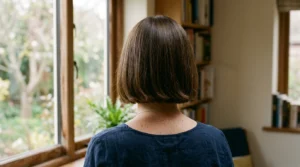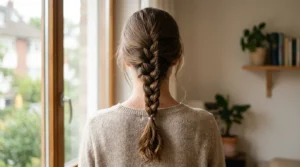
I used to do a plait in the morning and find it halfway down my back by lunchtime, all loose and bulging on one side. Every time I assumed my technique was rubbish.
Partly it was. Mostly my hair was freshly washed and far too slippery to hold anything.
So here are twelve braids worth knowing, plus the practical bits that make them last. Number three is the prep step, and it fixed more of my problems than any tutorial ever did.
What makes a braid hold or slip
Friction, and how evenly you pick up sections. Clean smooth hair has almost nothing for the strands to grip against, which is why the same braid holds beautifully on day two hair and falls apart on freshly washed hair. That is not you doing it wrong.
The other thing is tension consistency. A braid that starts tight and loosens as you go, or vice versa, will unravel from the weak point. Even, moderate tension the whole way down beats a tight start every single time, and it is far kinder on your scalp too.
1. The classic three strand plait
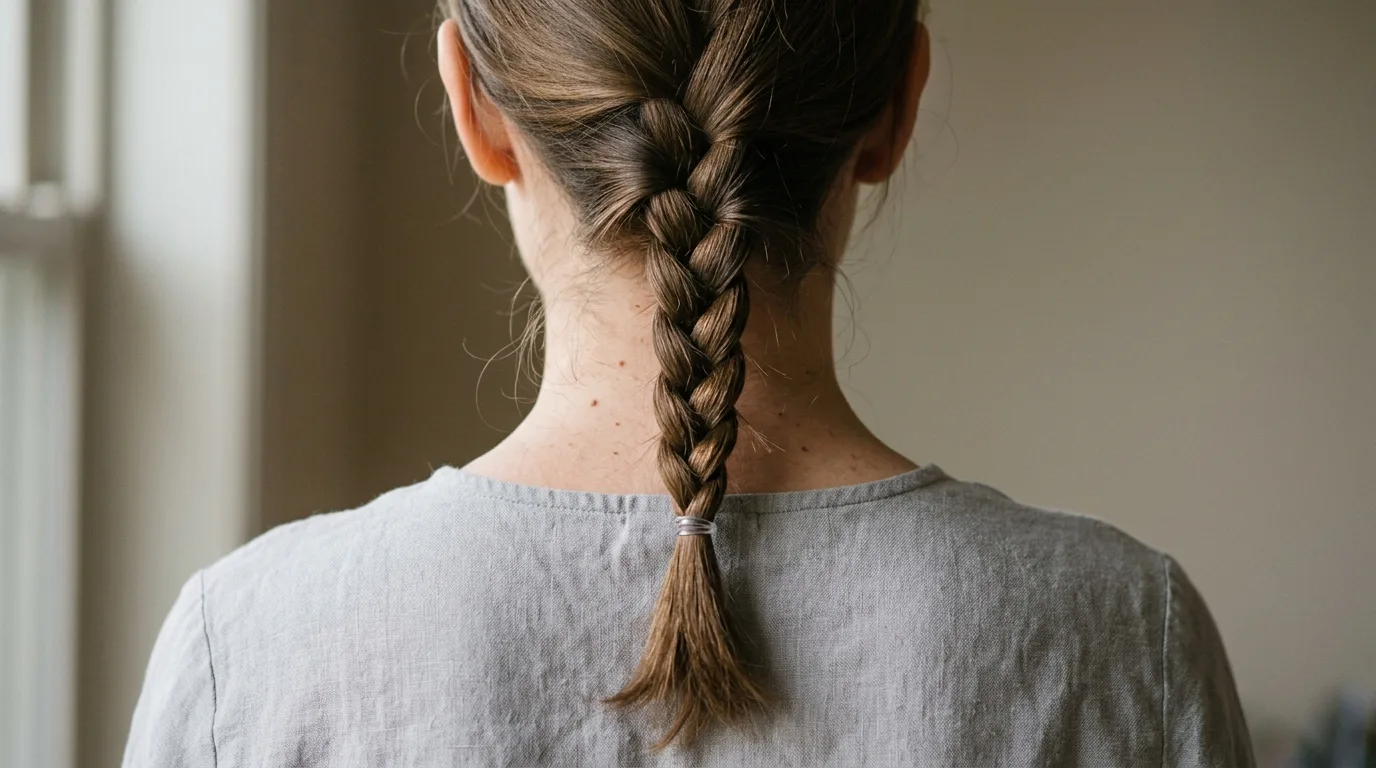
Worth doing properly before anything else. Start higher than feels natural, around the top of the ear if you are doing pigtails, since low starts sag and fall apart. Keep the three sections equal, and cross over the top rather than under for a flatter finish.
2. Dutch braid, the one that sits on top
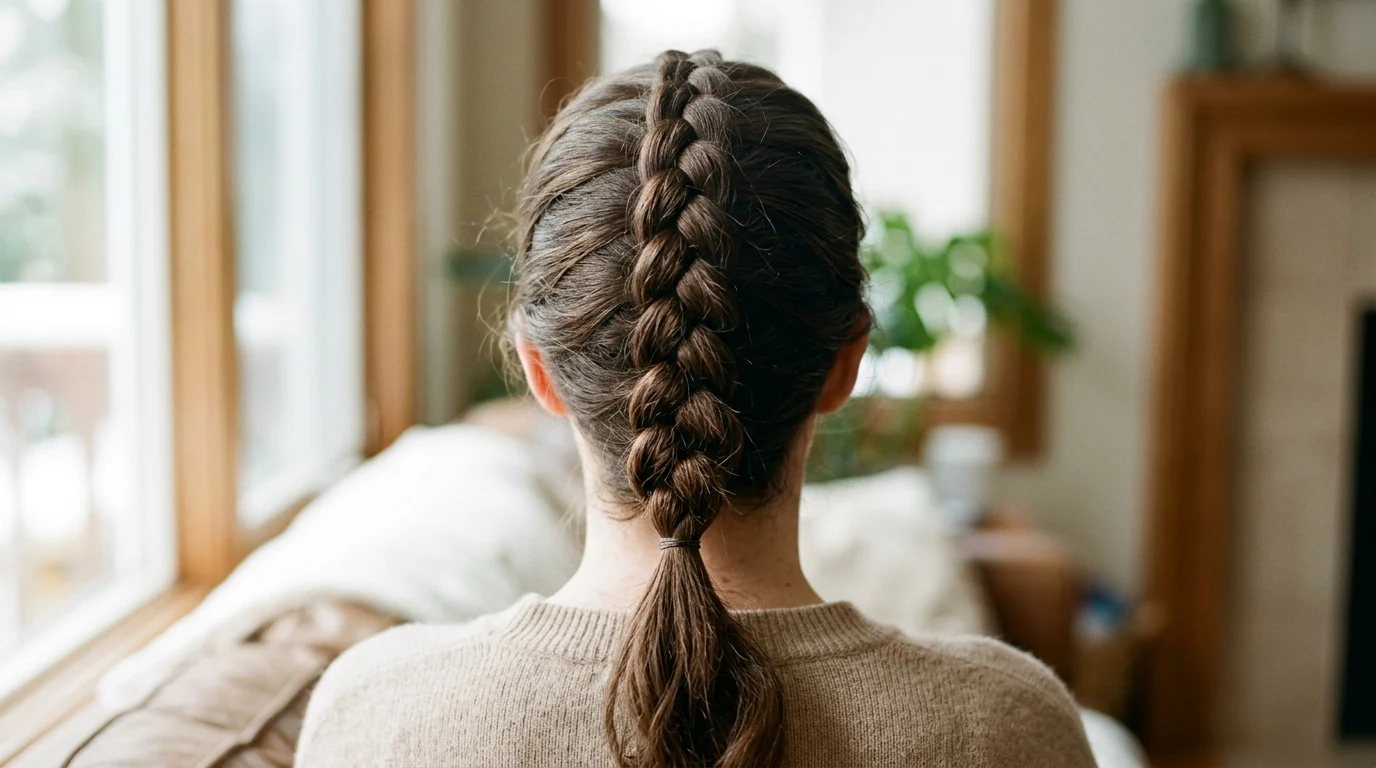
Cross the sections underneath instead of over and the braid sits raised on the hair rather than sinking into it. It looks far more intentional and it holds better because the plait itself sits proud. Same technique as a French braid, just reversed.
3. Braid on day two hair, or fake it
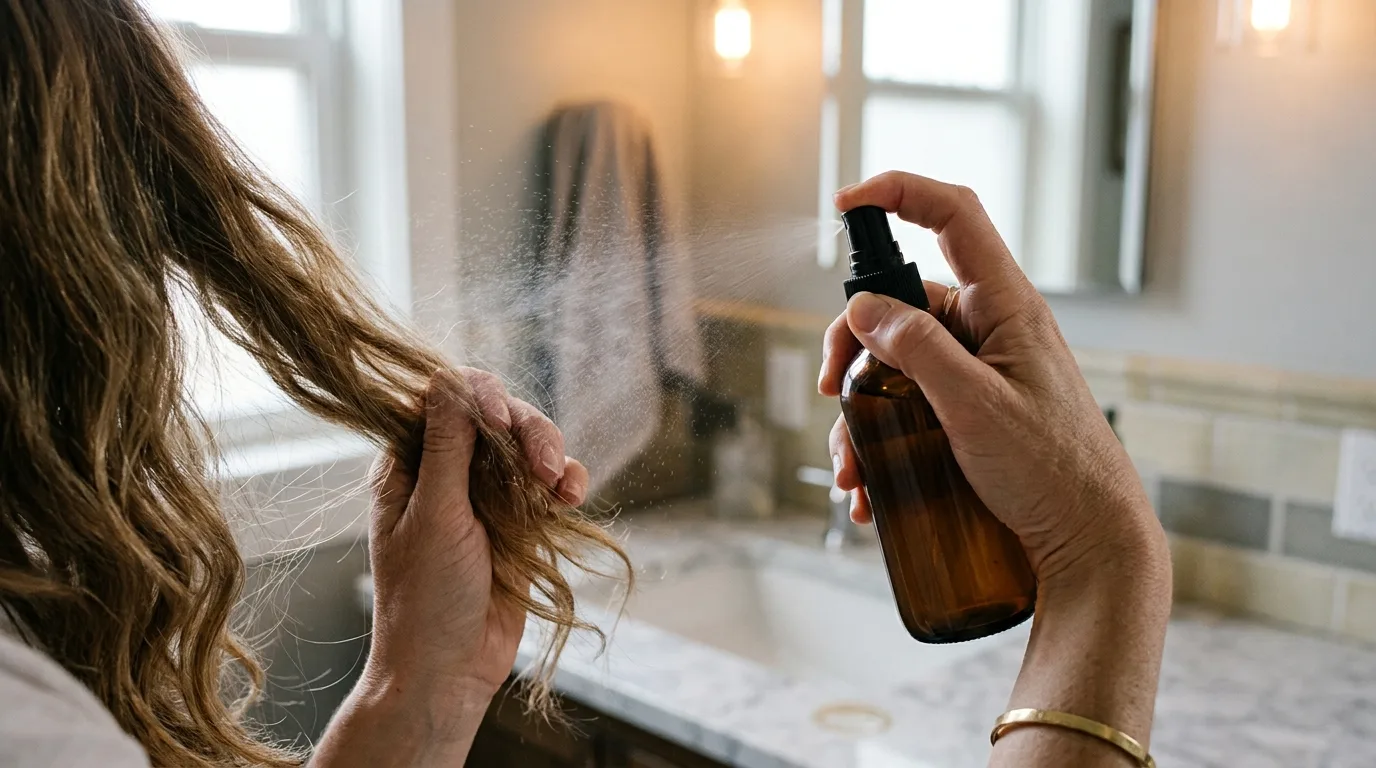
Here is the fix. Freshly washed hair is smooth and slippery, so spray texture spray or a light dry shampoo through the mid lengths before you start. Two sprays and a scrunch. My braids went from three hours to all day with that one change.
4. French braid pigtails
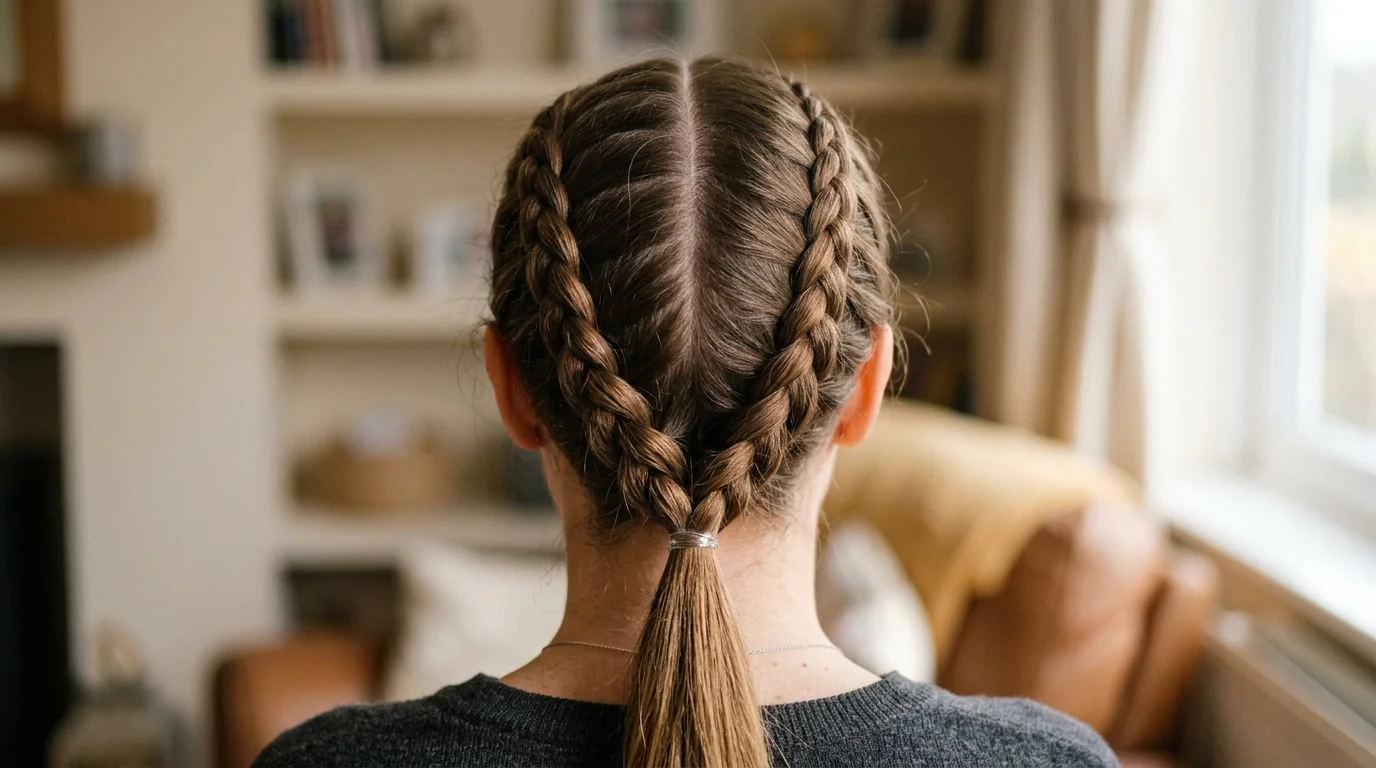
Two French braids running back from the front hairline, which keeps hair off your face completely. Part straight down the middle with a comb rather than your fingers, since a wobbly part shows on this style more than any other. Pick up small even sections as you go.
5. Fishtail plait
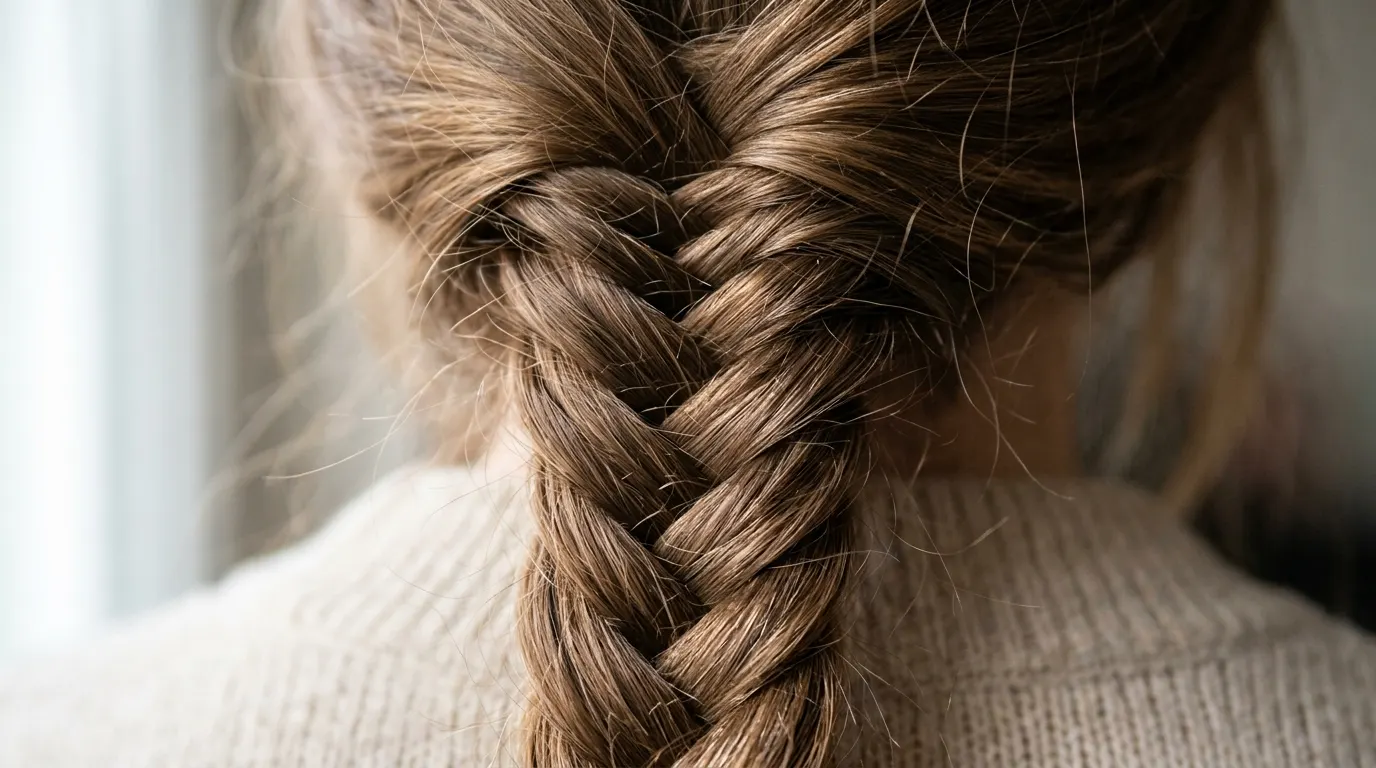
Two sections, taking a thin piece from the outside of each and crossing it over. It looks complicated and it is actually the easiest braid to do behind your own head, because there is no three way juggle. Pancake it out afterwards by gently tugging the edges.
6. Rope twist instead of a plait
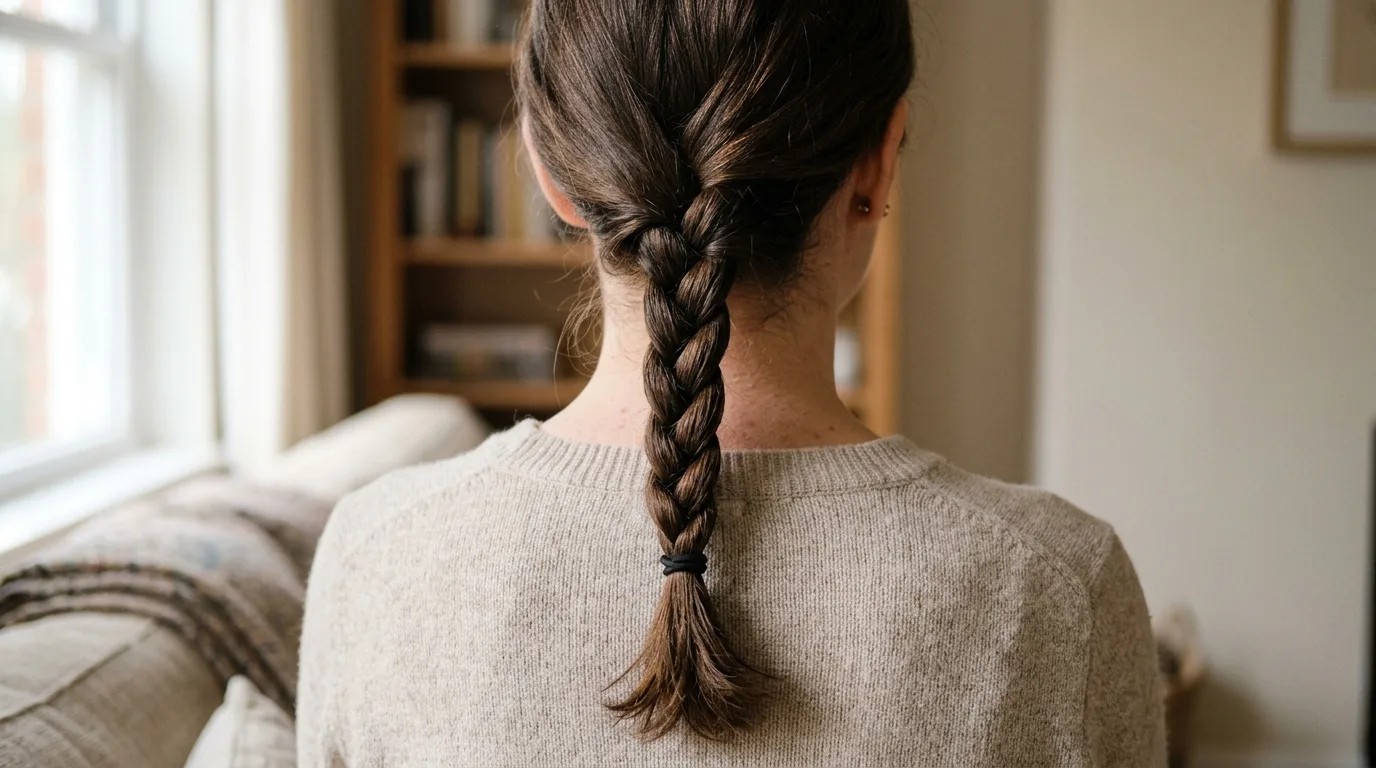
Twist two sections in one direction, then wrap them around each other in the opposite direction. Because the twists are fighting each other, it tightens itself as you go rather than loosening. Genuinely the best option for hair that refuses to hold a plait.
7. Braided crown
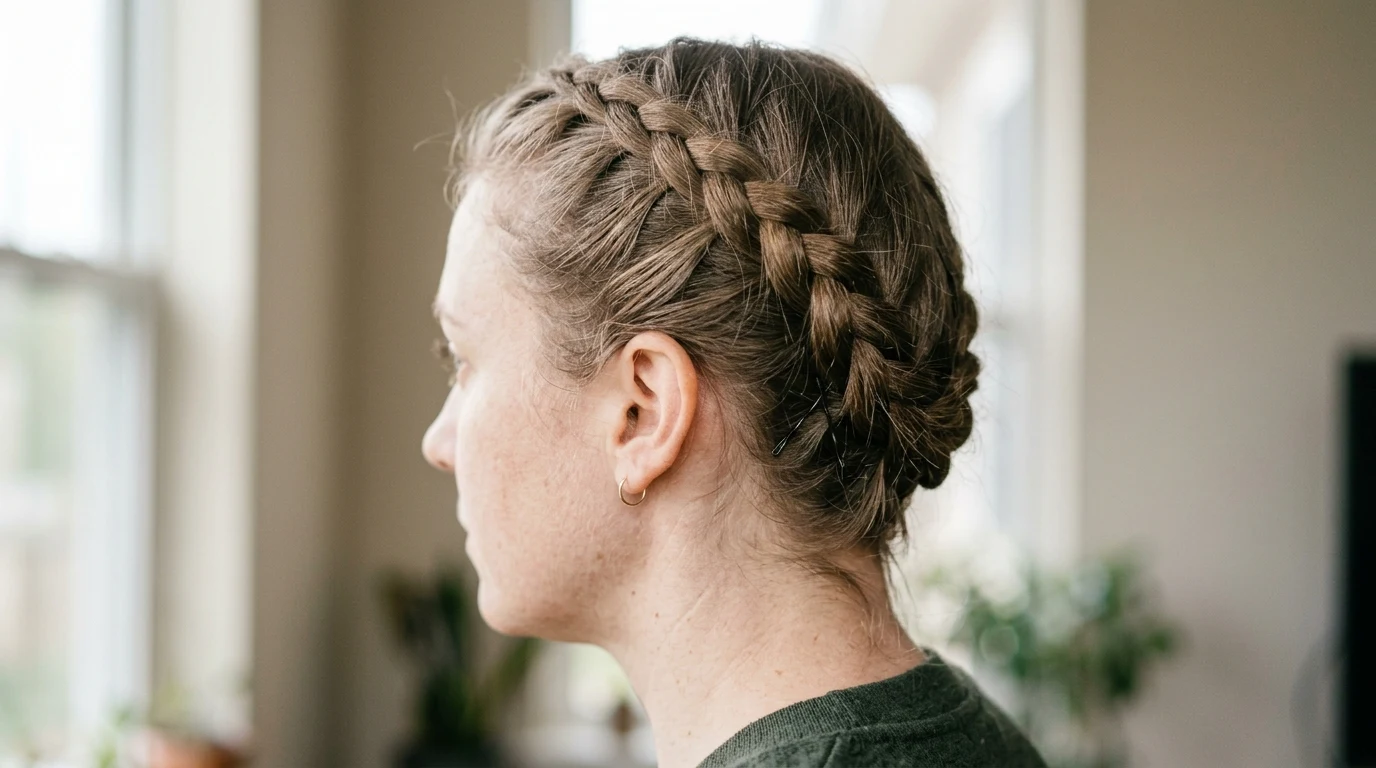
A braid taken across the top of the head and pinned behind the opposite ear. It keeps hair off your face without any bulk at the back, so you can lean back comfortably. Use two crossed bobby pins rather than one, since a single pin works loose within an hour.
8. Half up braid
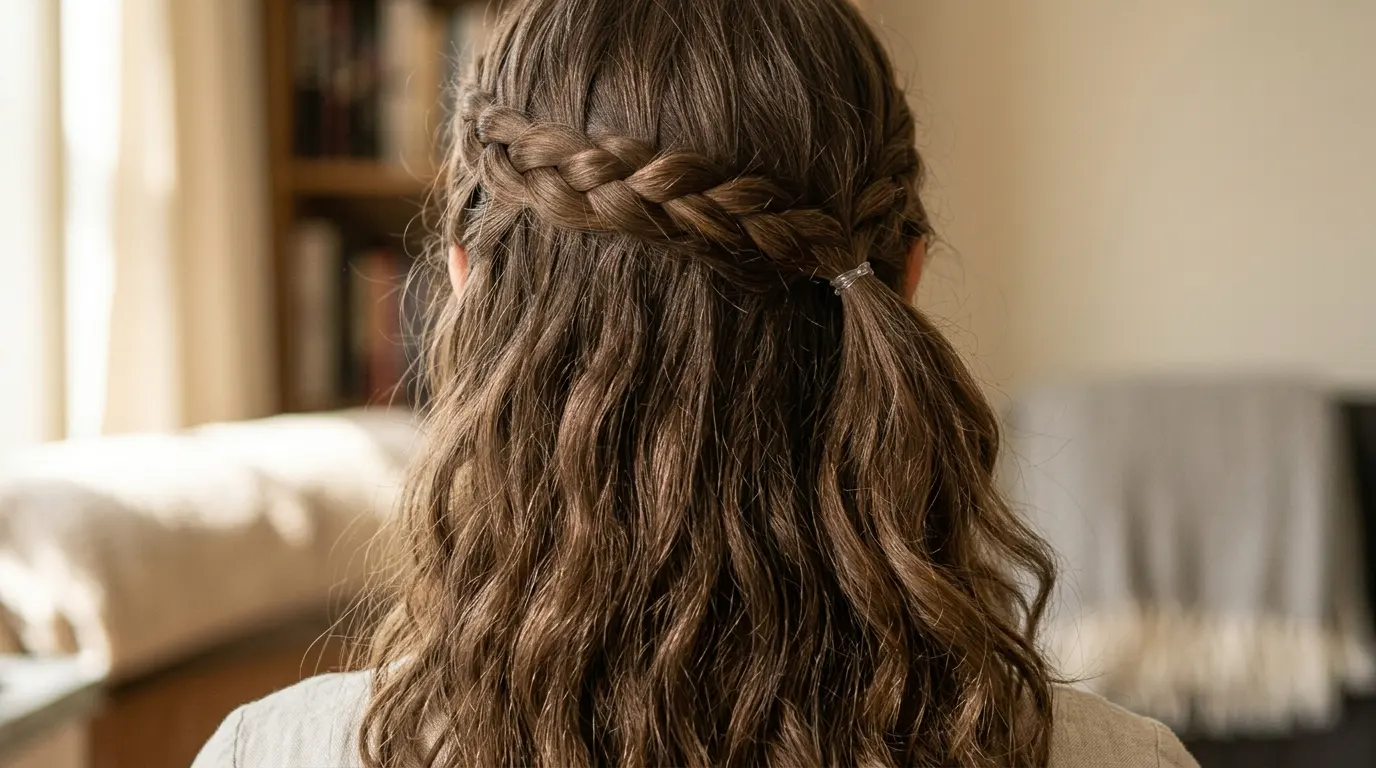
Take the top third, braid it across the back, secure with a small elastic, leave the rest loose. Ninety seconds, looks like you tried, and it keeps hair out of your eyes. This is my most used style by a considerable margin.
9. Braided low bun
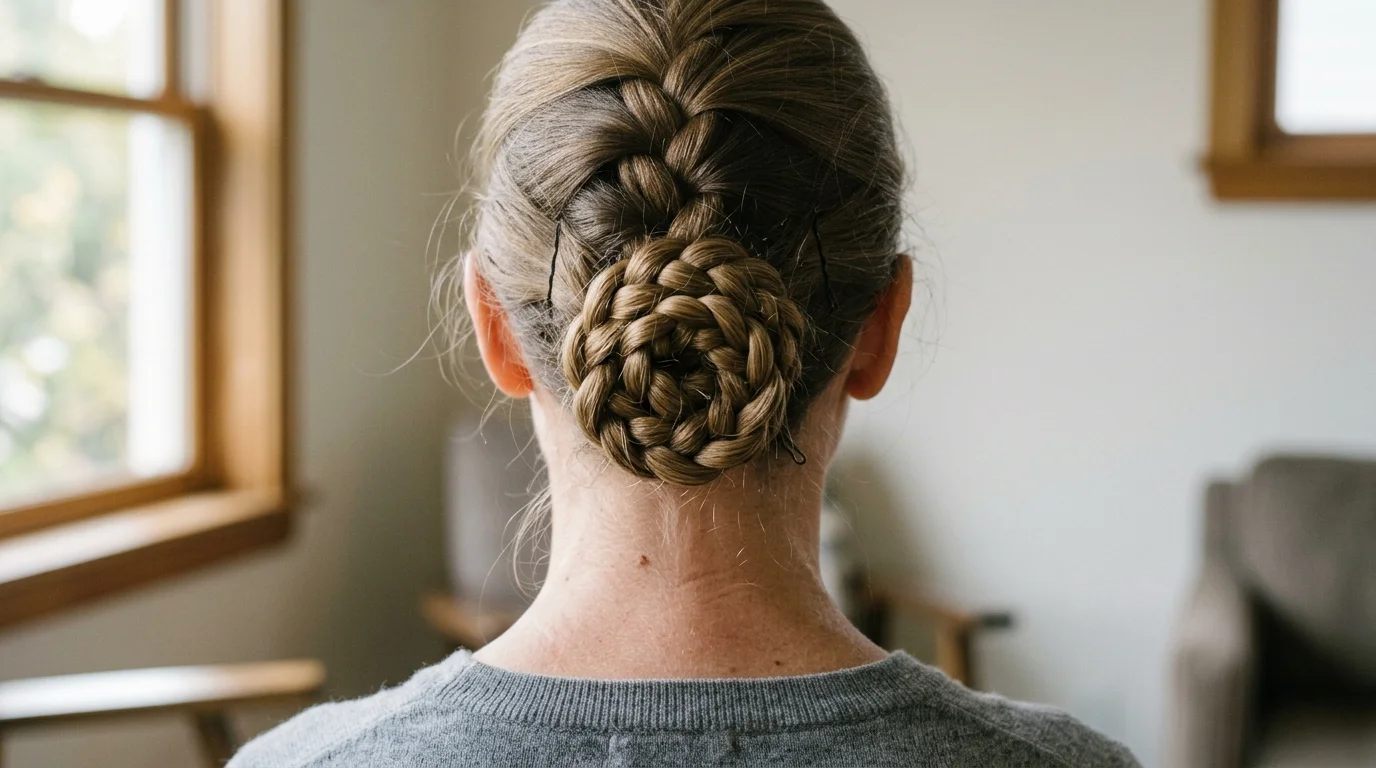
Plait loosely, coil the braid into a bun at the nape, pin at three points around the coil. One pin will not hold a coiled braid, and three is the minimum for anything that has to survive a day. Leave the plait slightly loose before coiling, since a tight one is stiff and will not sit flat.
10. Pancake the braid for fullness
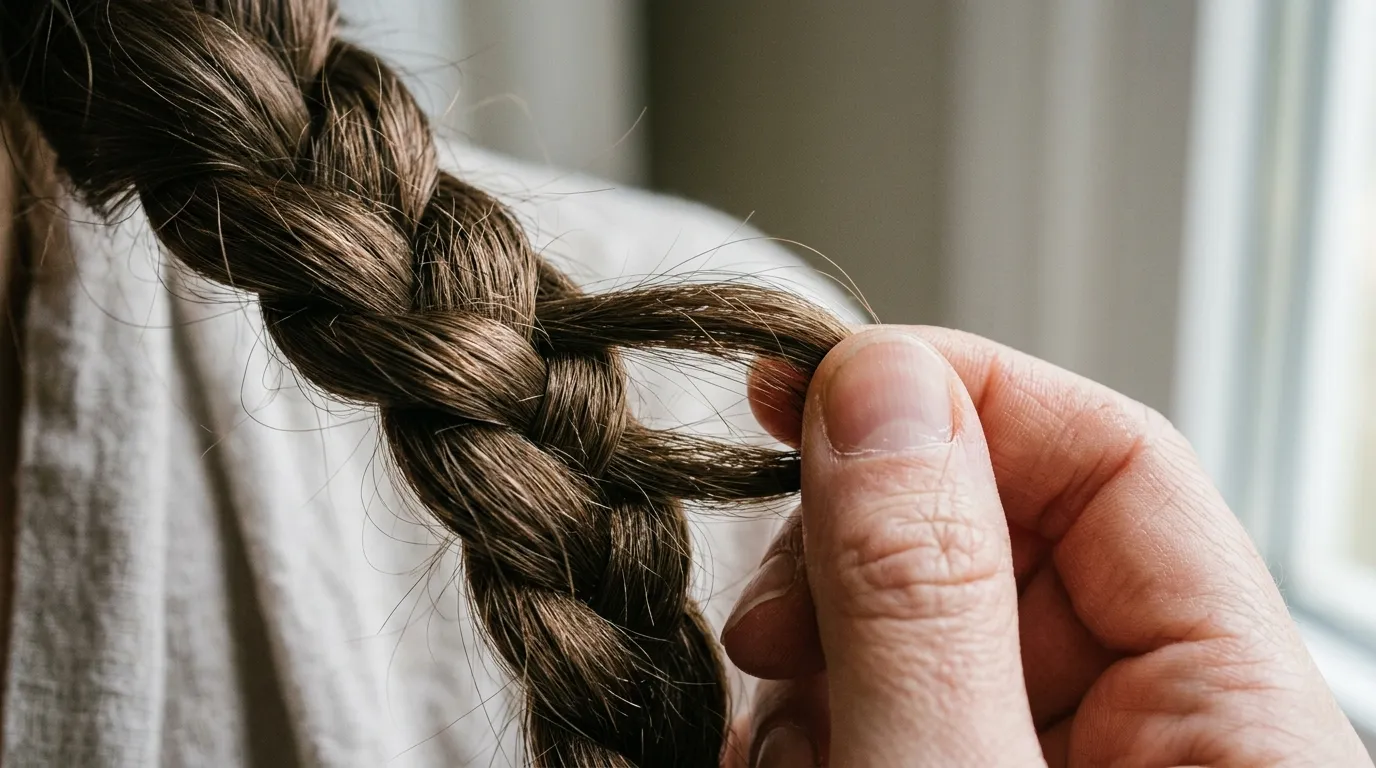
The step that makes thin braids look thick. Once the plait is secured, gently pull the outer edge of each loop outward with your fingertips, working from the bottom up. It roughly doubles the apparent volume and costs you thirty seconds.
11. Leave the edges out on protective styles
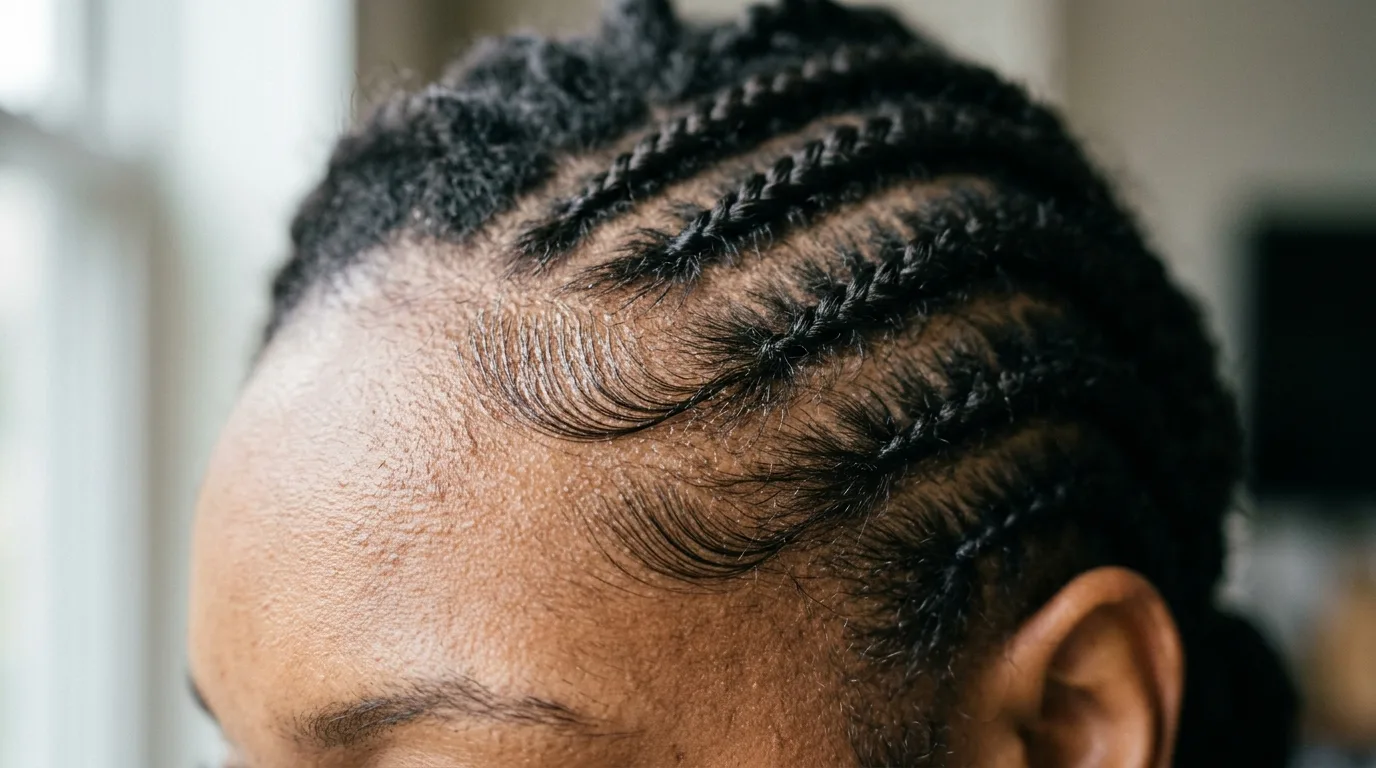
If you are braiding close to the scalp, never braid the baby hairs at your hairline into the pattern. That fine hair has the weakest follicles and it does not always grow back. Lay them separately with a soft brush and a little gel instead.
12. Loose braid overnight for waves

Damp hair in one or two loose plaits before bed, taken out in the morning. You get a soft natural bend without any heat, and it works better on straight hair than most curling irons do. Tighter plaits give a crimped look, looser ones give a soft wave.
How to get braids to last past lunchtime
Prep first, always. Texture spray or dry shampoo through clean hair, or simply braid on second day hair. That single habit accounts for most of the difference between a braid that holds and one that slides, and no amount of hairspray afterwards fixes slippery hair.
Then check your tension as you go. Snug and even, not tight. If your scalp aches or you can see small white bumps along the parting, it is too tight and you are risking breakage at the hairline. Also use a coil elastic or a small fabric one rather than a thin elastic with a metal join, since that metal crimp cuts into the hair exactly where the braid ends and it is a very common cause of snapped ends. I switched a couple of years ago and the difference in how my ends look now is noticeable.
Frequently asked questions
Why do my braids keep falling out? Usually because the hair is too clean and smooth to grip. Braiding on day two hair, or adding texture spray or dry shampoo before you start, gives strands the friction they need to hold.
What is the difference between a French and a Dutch braid? A French braid crosses the sections over the top so the plait sinks into the hair, while a Dutch braid crosses them underneath so the plait sits raised on the surface. The technique is otherwise identical.
How do I make a thin braid look fuller? Pancake it. Once secured, gently pull the outer edge of each loop outward with your fingertips, working from the bottom upward. It roughly doubles the apparent thickness in about thirty seconds.
Are braids bad for your hair? Only when they are too tight. Even moderate tension is fine, but a braid that makes your scalp ache or causes small white bumps at the parting is pulling on the follicles and can cause breakage over time.
Which braid is easiest to do on yourself? A fishtail plait, since it only involves two sections and no three way crossing behind your head. A rope twist is a close second and it holds better than a standard plait on slippery hair.
Final thoughts
Braids are one of the few hairstyles that solve a practical problem and look considered at the same time. Hair off your face, out of the way, and nothing that needs redoing at three in the afternoon.
If yours keep slipping, try texture spray before you braid rather than hairspray after. Ten seconds, hardly any money, and it might explain a lot of the plaits that have quietly given up on you over the years.