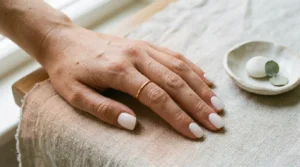
Milky french is the set I ask for most and the one I got wrong at home more times than any other. My first attempt had a streaky base, a tip about three millimetres thick, and a top coat that went slightly cloudy over the whole thing.
It looked like a bad 2004 french, which is the exact opposite of the point.
So here are twelve versions worth trying, plus the technical bits that actually matter. Number three is the coat count, and it is why most home attempts look patchy.
What makes a milky french different
The base is the whole thing. A traditional french has a clear or sheer pink base with a stark white tip, while a milky french uses a soft translucent white or cream base that lets a bit of the natural nail show through. Softer, warmer, considerably more modern.
The other difference is the tip. Milky french tips are thin, usually one to one and a half millimetres, and often in cream, soft white or a barely there nude rather than bright white. A thick stark tip on a milky base is where it goes wrong, and it is the single most common mistake I see.
1. Classic milky white with a cream tip
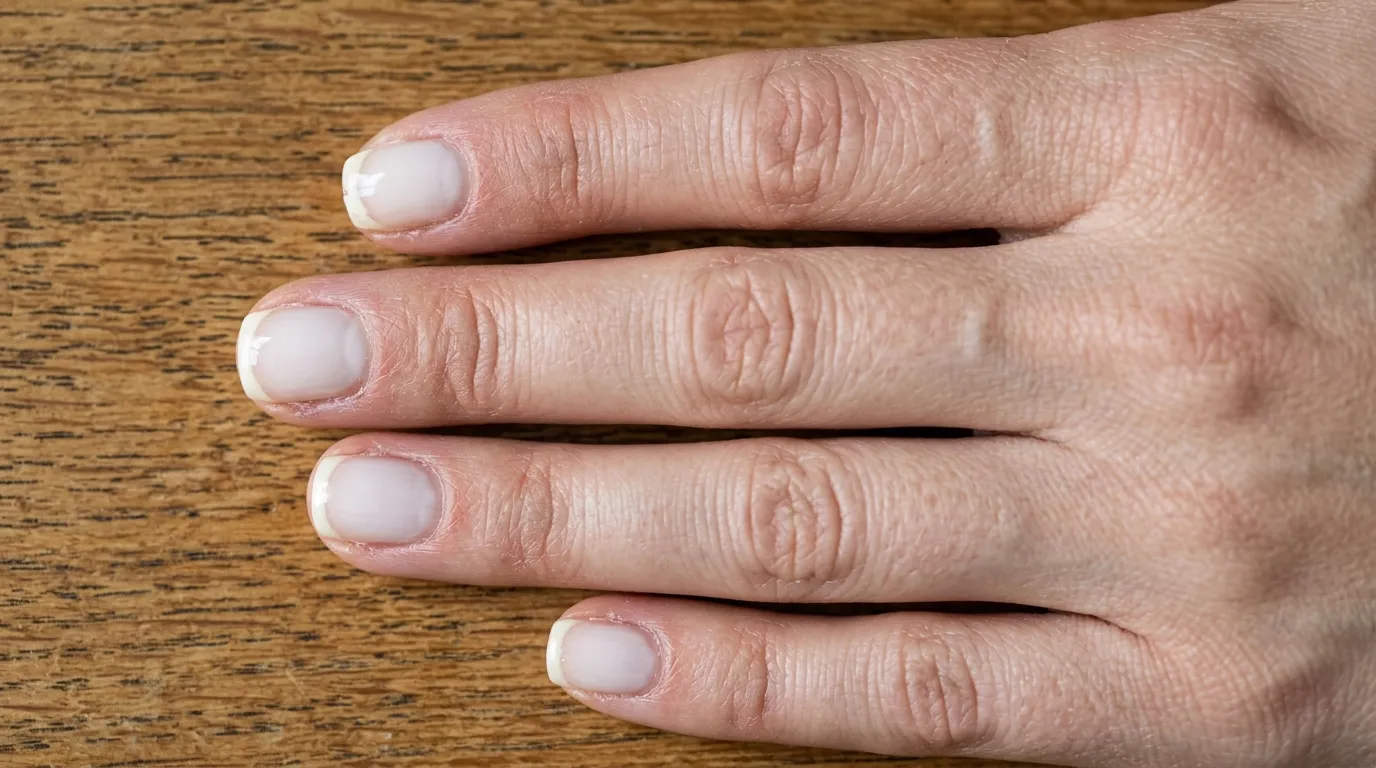
The version I book most. A soft translucent milky base with a hairline cream tip, glossy top coat, on short squoval nails. It suits every skin tone and it grows out almost invisibly, which is why it stretches three or four weeks comfortably.
2. Milky pink base with a white tip
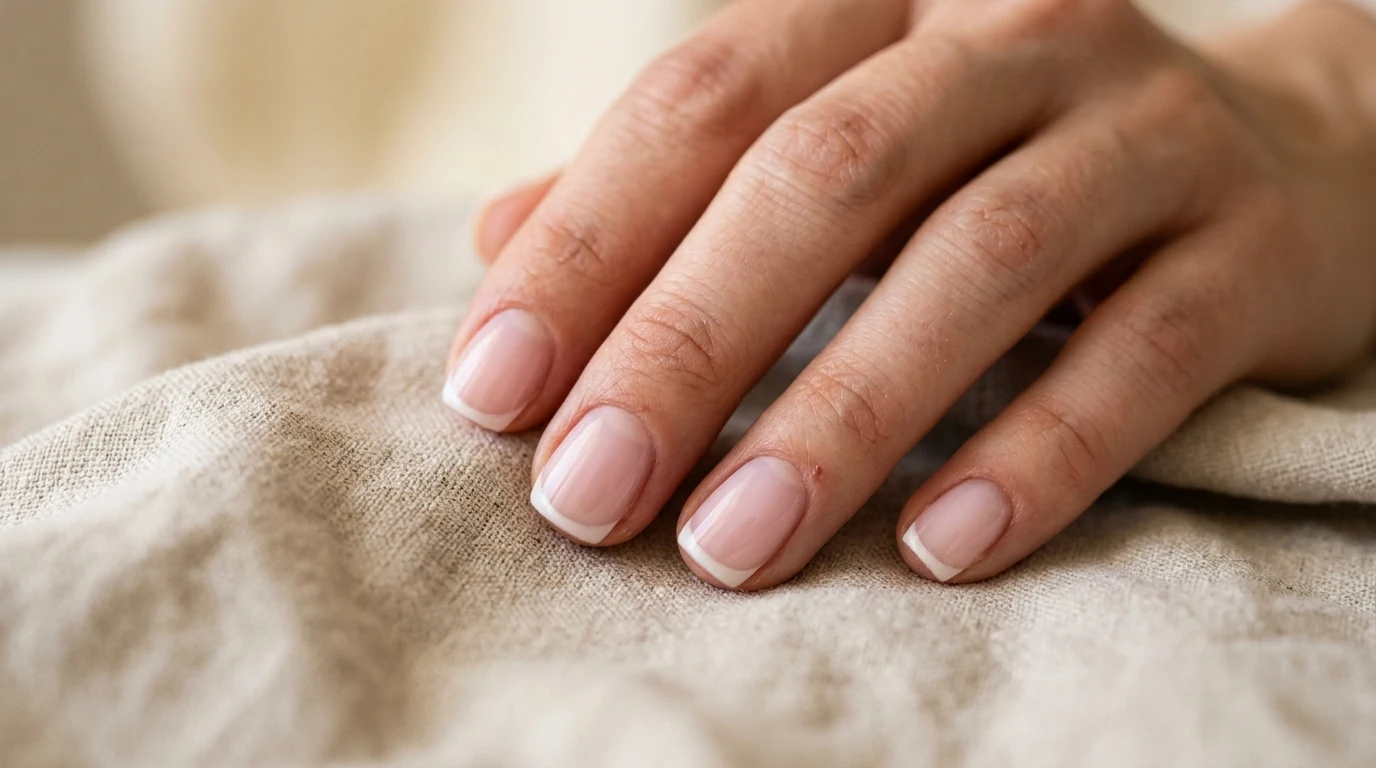
Slightly warmer and a bit softer against fair skin. The pink in the base keeps it from looking cold, and a soft white tip gives you just enough definition. Ask for the pink to be a milky one rather than a sheer one, since sheer pink shows every ridge.
3. Three thin coats, never two thick ones
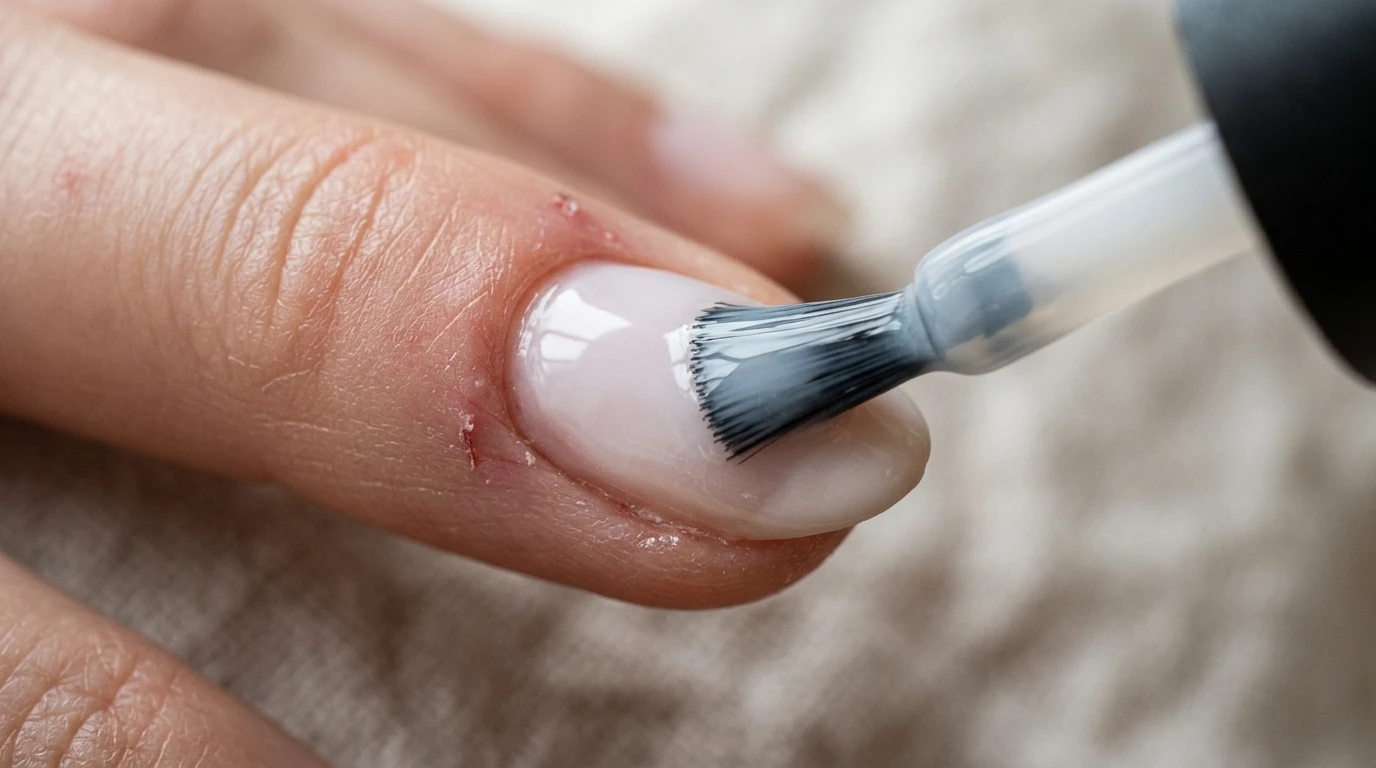
Here is the fix for streaky bases. Milky formulas are low pigment by design, so two coats leaves brush lines and patchiness every time. Three thin coats with a proper two minutes between each builds an even, creamy opacity. This is almost the entire technique.
4. Keep the tip under 1.5 millimetres
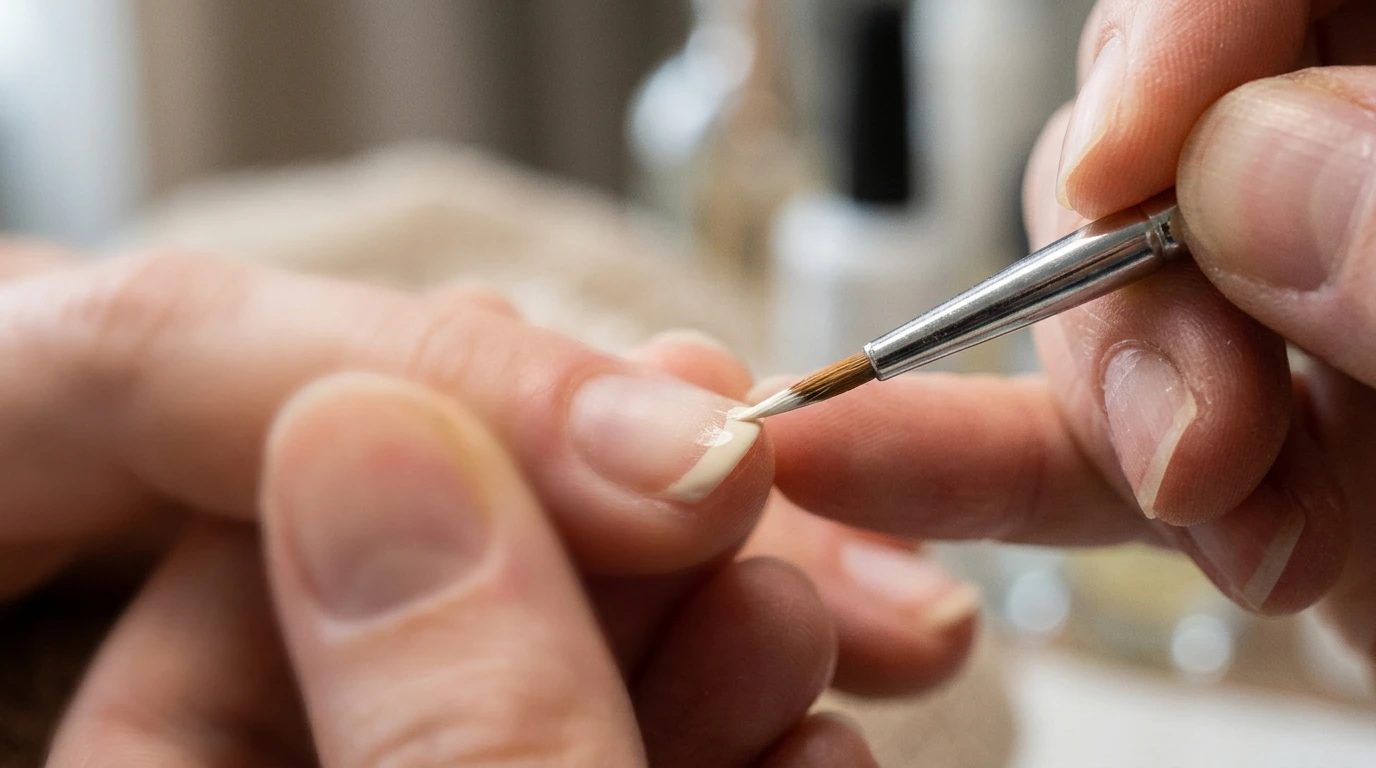
Thin is the whole aesthetic. A tip thicker than about a millimetre and a half reads as a dated french rather than a modern one, especially on short nails where it eats up the plate. Use a striping brush, since the polish brush is far too wide to control that line.
5. Micro french with a coloured tip
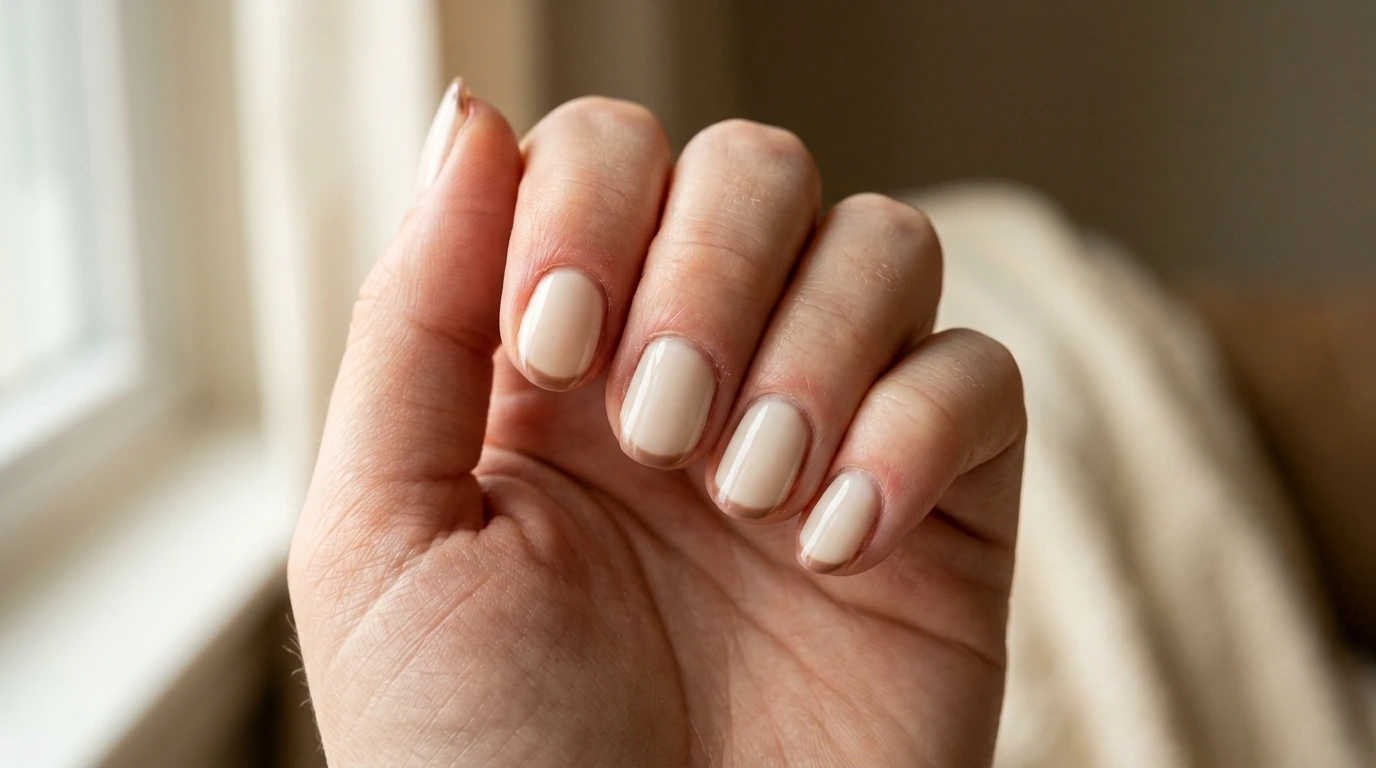
Same milky base, but a tiny line of colour instead of white. Soft brown, dusty blue, sage or a muted burgundy. It is the easiest way to add interest without breaking the clean look, and it photographs beautifully.
6. Double line french
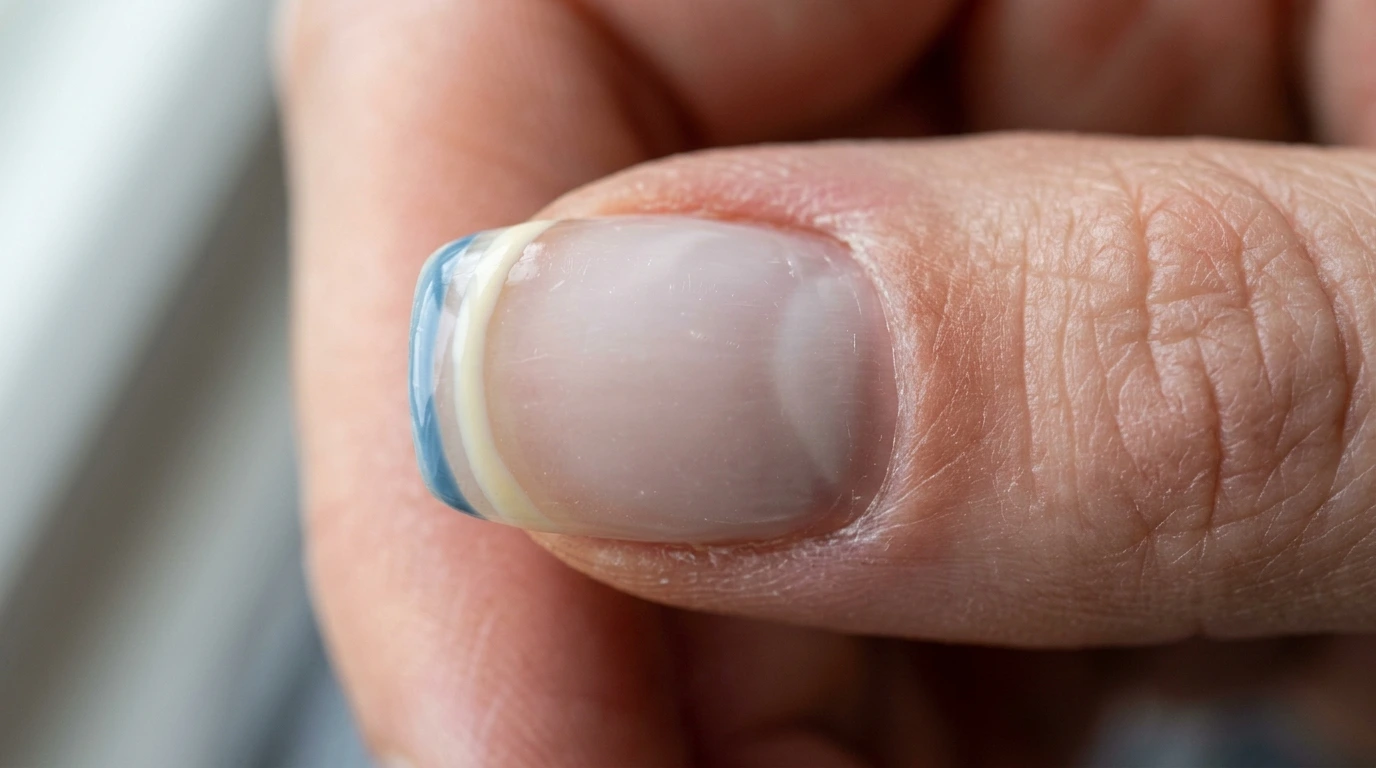
Two hairlines at the tip, one in cream and one slightly below in a contrasting soft shade. It looks more considered than a single line and it is still very subtle. Keep both lines equally thin, since an uneven pair looks like a mistake rather than a design.
7. Milky base with a chrome tip
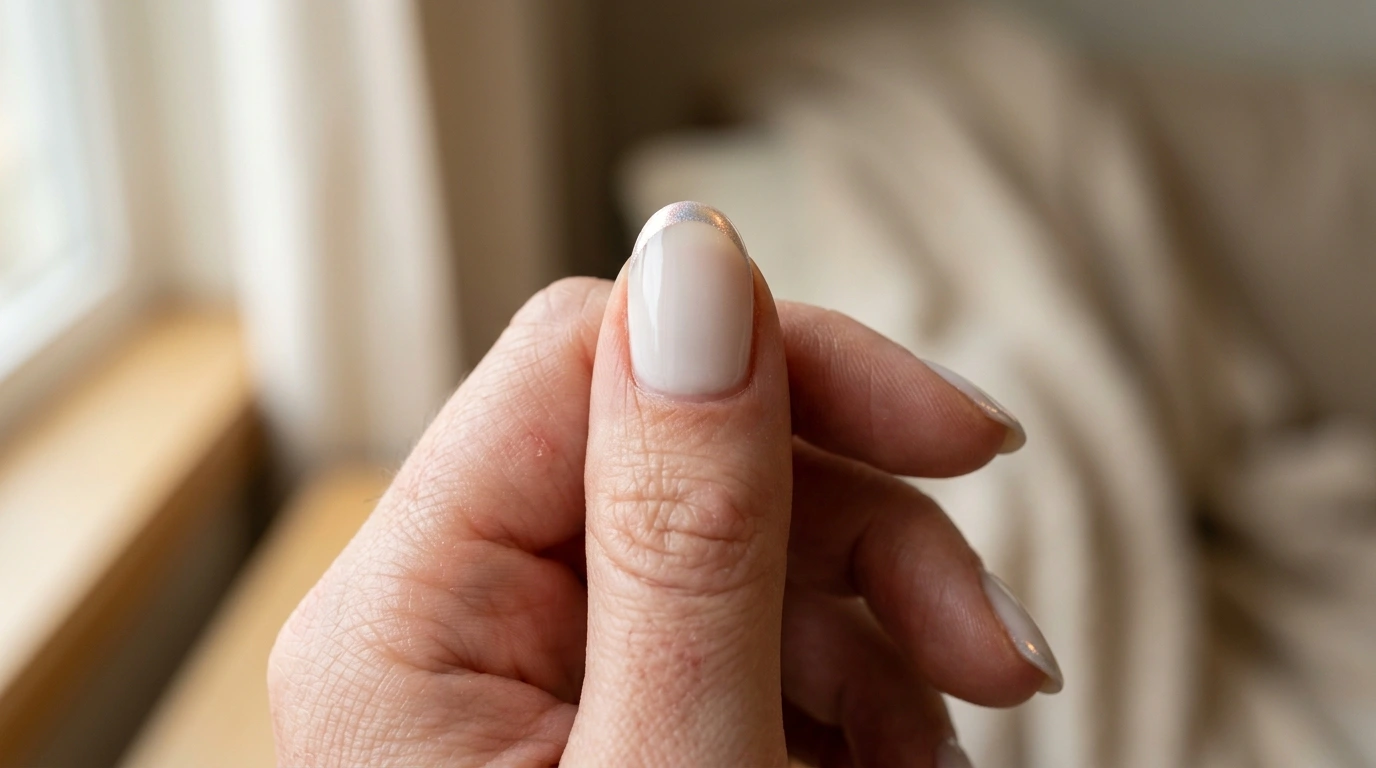
Instead of a solid tip, a fine line of pearl or chrome powder along the free edge. It catches light rather than sitting flat, which suits the softness of the base. Needs a gel base for the powder to bond properly, so this one is a salon job.
8. Angled or slanted tips
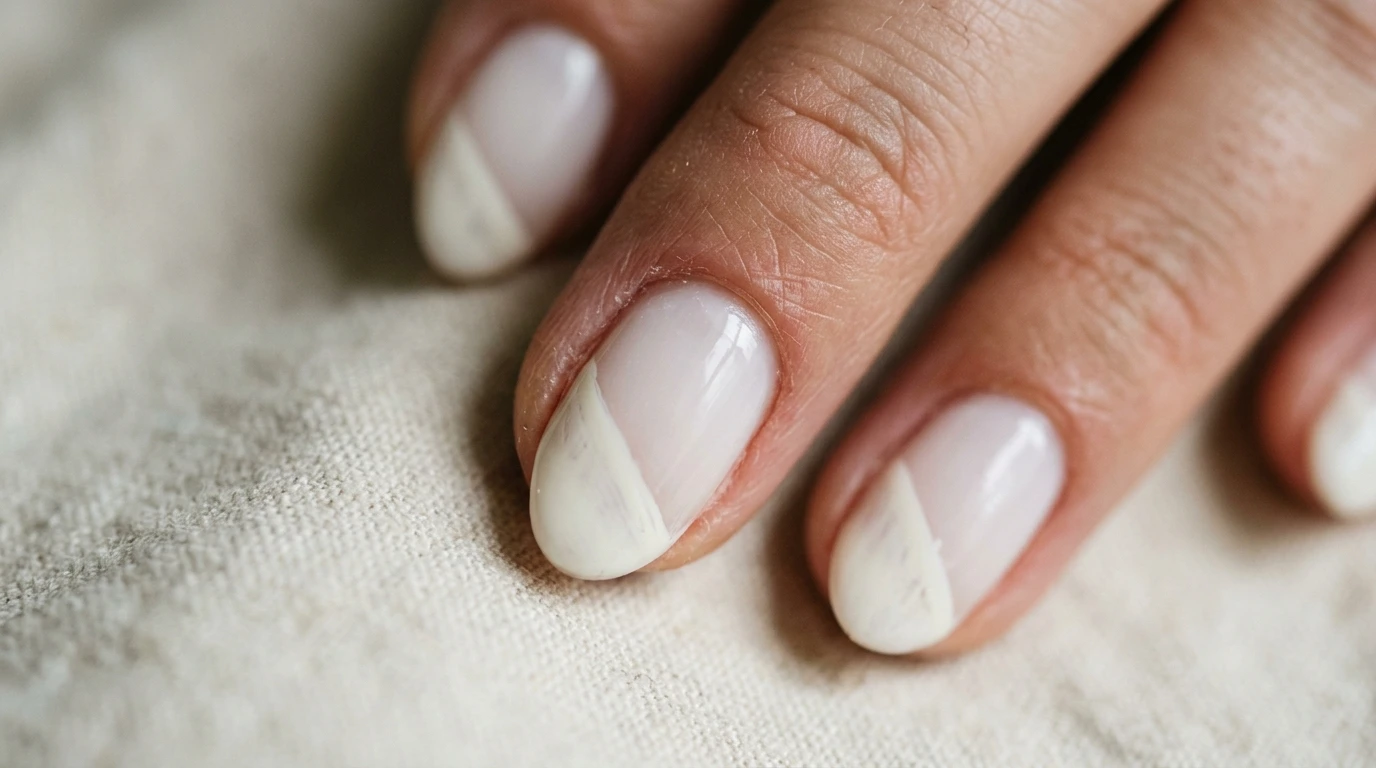
The line runs on a slight diagonal rather than straight across. Modern, a bit unexpected, and surprisingly flattering because a diagonal elongates the nail visually. Keep the angle very slight, since a steep slant tips into nail art territory fast.
9. Milky french on short nails

This set is genuinely better short. The soft base plus a hairline tip looks neat and expensive on a short squoval, whereas on very long nails the milky base can look a bit heavy. Just past the fingertip is the sweet spot.
10. Leave a hairline margin at each side
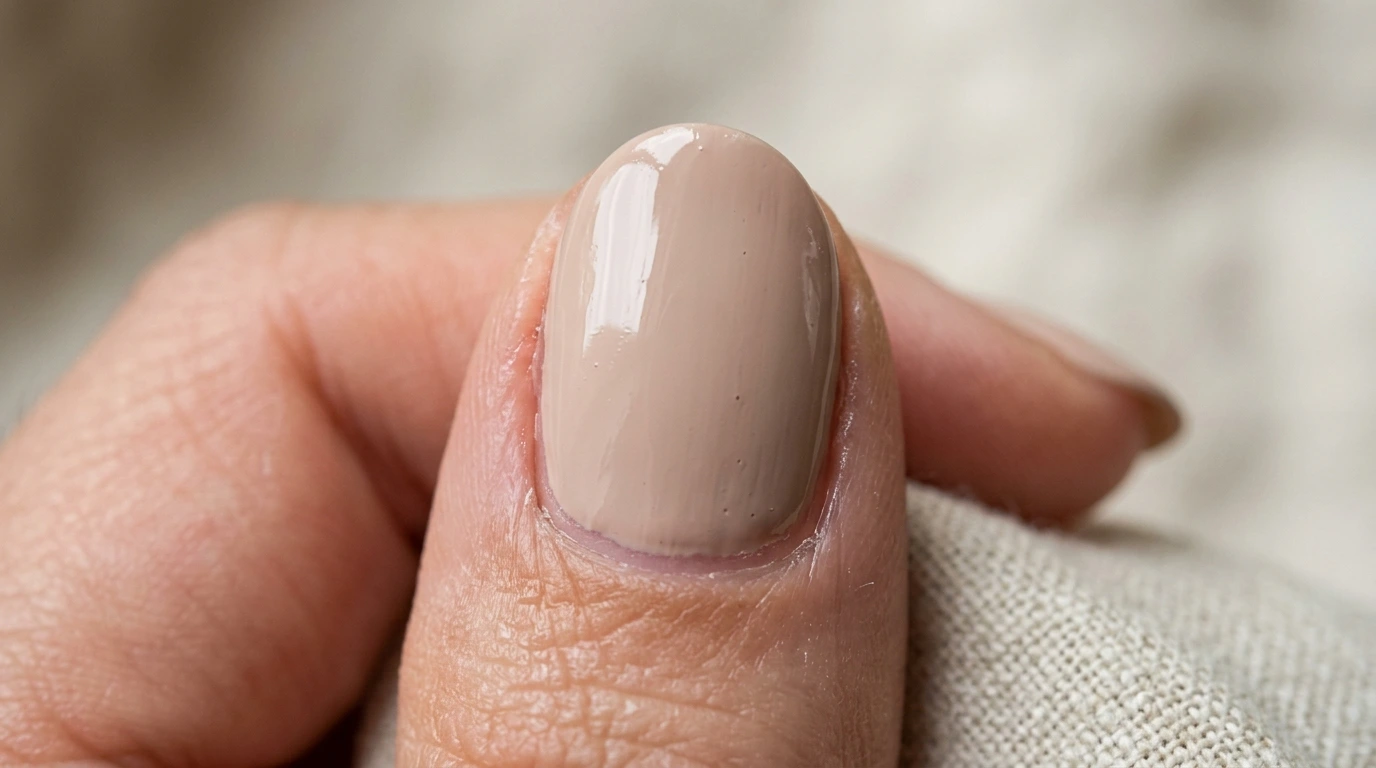
Half a millimetre of bare nail along each side wall when you polish. It makes the nail bed look longer and it hides small wobbles in your line. This is the technique that separates salon manicures from home ones, and almost nobody does it at home.
11. Use a non yellowing top coat
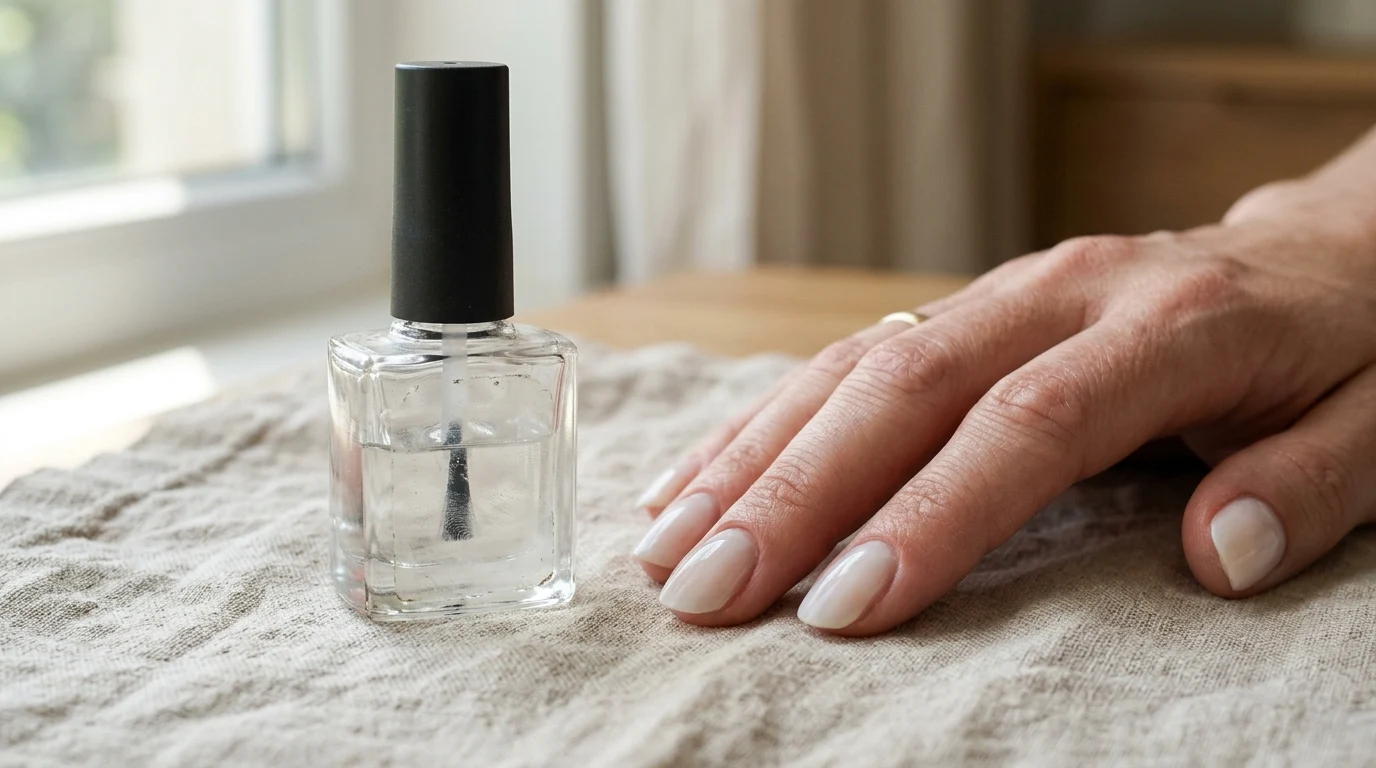
Milky bases show discolouration far more than dark shades. Cheap top coats can go slightly yellow or cloudy over a week or two, which ruins the whole soft white look. Buy a decent one, replace it every three or four months, and never shake the bottle, since that creates bubbles.
12. Cap the free edge, gently
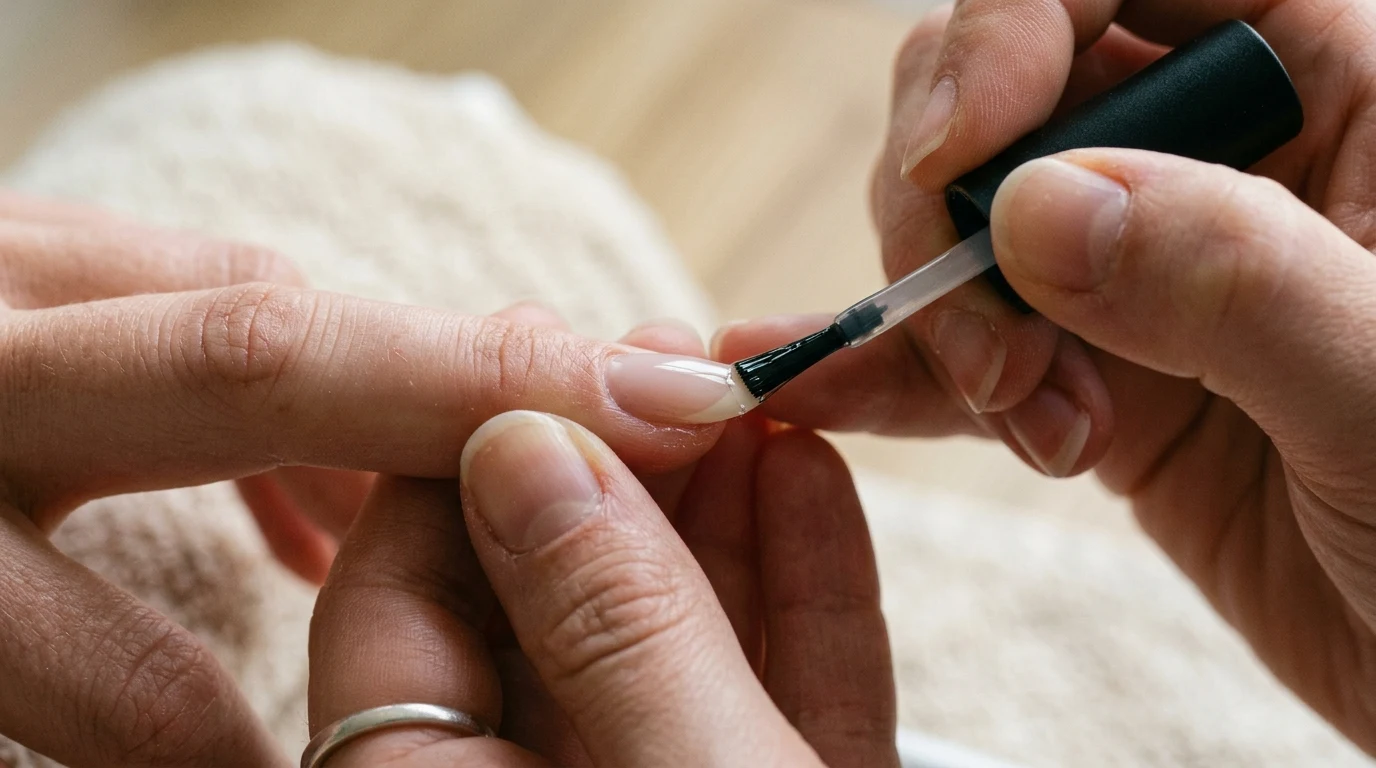
Run the brush along the very tip to seal it, but go lightly, since a heavy hand here drags the tip line and blurs it. On a milky french the free edge is doing double duty as the design, so a careful cap adds days without wrecking the finish.
How to choose the version that suits you
Start with your natural nail colour. If your nails have a warm or slightly yellow tone, a milky white base can look grey against them, so a milky pink or a warm cream base will sit much better. Hold two or three options against your bare nail in daylight before you decide, since salon lighting flatters everything.
Then think about how often you can get back. Milky french is one of the most forgiving sets for regrowth because the base is close to your natural nail colour, so you can genuinely stretch four weeks without it looking neglected. That makes it excellent value compared with a bold colour that shows growth by week two. And if you are doing it at home, do it on a Sunday evening rather than a weekday morning, because those three thin coats need proper drying time between them and rushing is exactly what causes the streaks. I learned that after ruining a set at 7am and having to remove the lot.
Frequently asked questions
What is a milky french manicure? It is a softer version of the classic french, using a translucent milky white or cream base instead of a sheer clear one, paired with a very thin tip. The result is warmer and more modern than a traditional stark french.
Why does my milky polish look streaky? Milky formulas have low pigment, so two coats almost always shows brush lines. Three thin coats with two minutes of drying between each builds an even opacity, while thick coats make the streaking worse.
How thick should the french tip be? Around one to one and a half millimetres. Anything thicker starts reading as a dated french, especially on short nails where a thick tip takes up a noticeable portion of the nail plate.
Does milky french suit short nails? Yes, and arguably it looks best on them. A soft base with a hairline tip on a short squoval reads neat and expensive, while very long nails can make the milky base look heavy.
How long does a milky french last? Three to four weeks with gel, since the base sits close to your natural nail colour and regrowth is barely visible. That makes it one of the best value sets if you cannot get to a salon often.
Final thoughts
Milky french is one of those sets that quietly makes your hands look after themselves. It goes with everything, it never looks out of place, and it grows out gracefully, which is more than most manicures manage.
If you are booking soon, ask for a thin tip under a millimetre and a half and a milky base matched to your natural nail tone. Two small specifics, and they are the difference between a lovely set and a slightly dated one.