
My first proper massage was a deep tissue session I booked because a friend said it was the good kind. I spent an hour braced, gripping the table edge, being far too polite to say anything.
I walked out sore, slightly annoyed, and convinced massage was not for me.
It took a few years and a much better therapist to work out that almost all of that was my fault, not the technique’s. So here are twelve things worth knowing, and number four is the one that changes everything.
What massage therapy can and cannot do
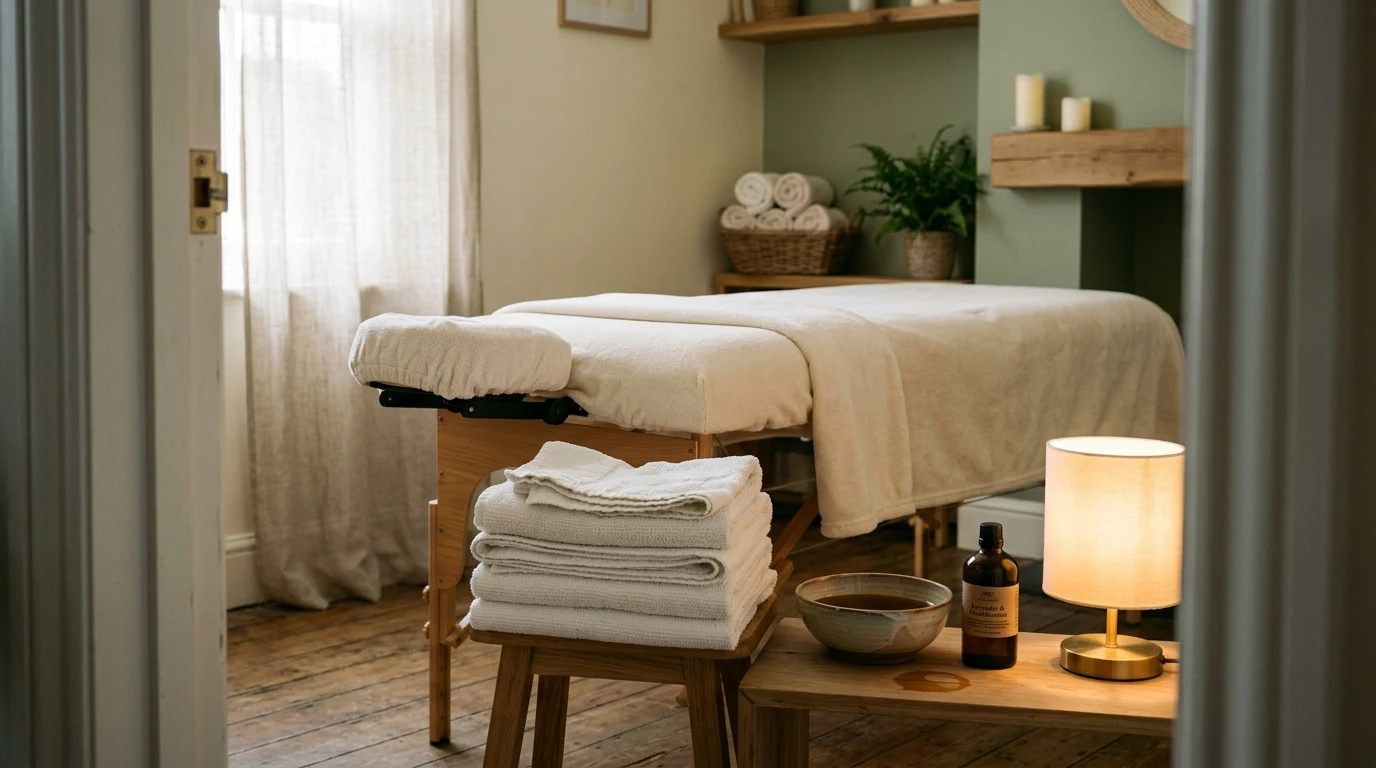
It is genuinely useful for muscle tension, general stress, recovery after exercise and helping with stiffness. Plenty of people find it improves how they sleep, and a good session leaves you feeling considerably better for a few days at least.
What it is not is a diagnosis or a cure. If you have persistent pain, numbness, tingling, or an injury that is not improving, that needs a doctor or a physiotherapist first. A good massage therapist will tell you the same thing and refer you on rather than working around it, which is a decent sign you have found a good one.
1. Swedish is the default, and that is fine
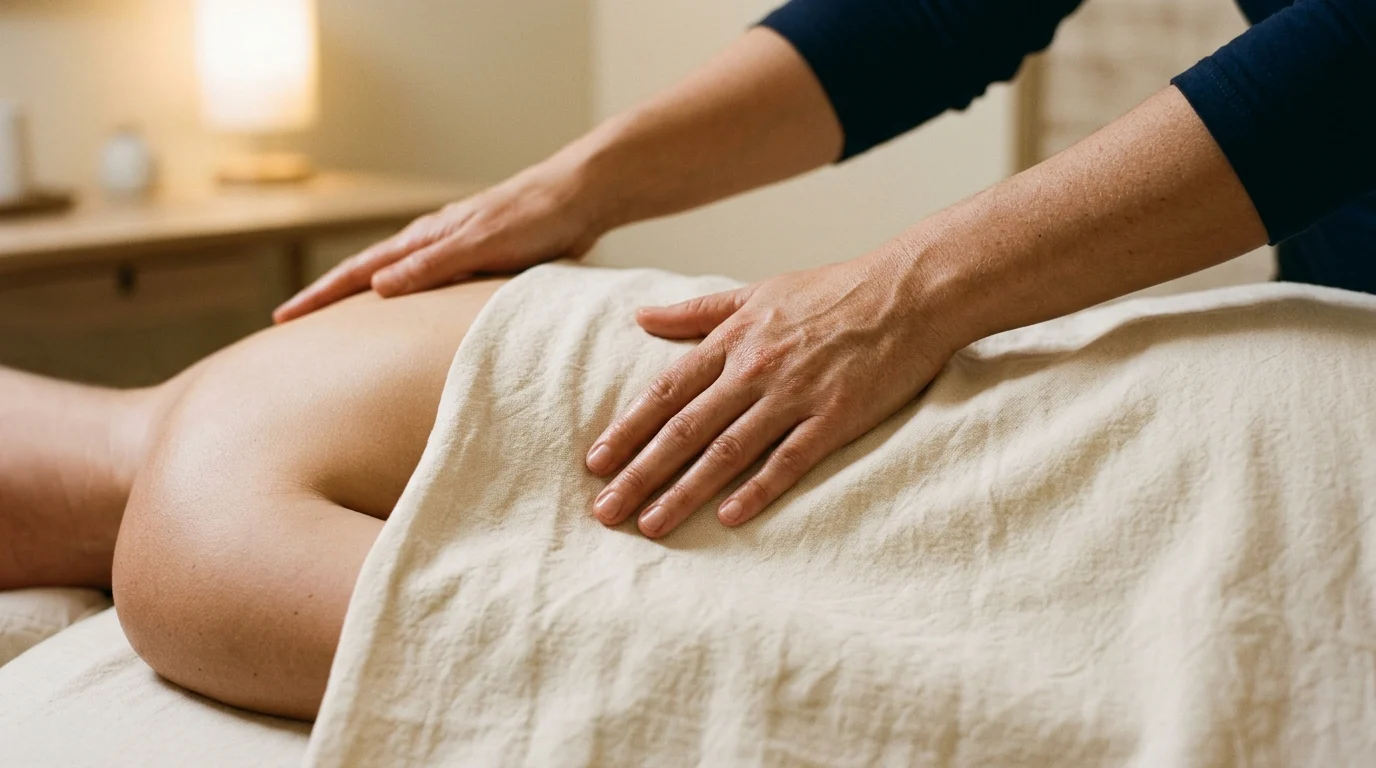
Light to moderate pressure, long flowing strokes, mostly aimed at relaxation and general circulation. It is what most people picture and it is a perfectly good choice. If you are not sure what you want, book this rather than something intense, since starting gentler and going firmer later is much easier than the reverse.
2. Deep tissue is not just harder pressure
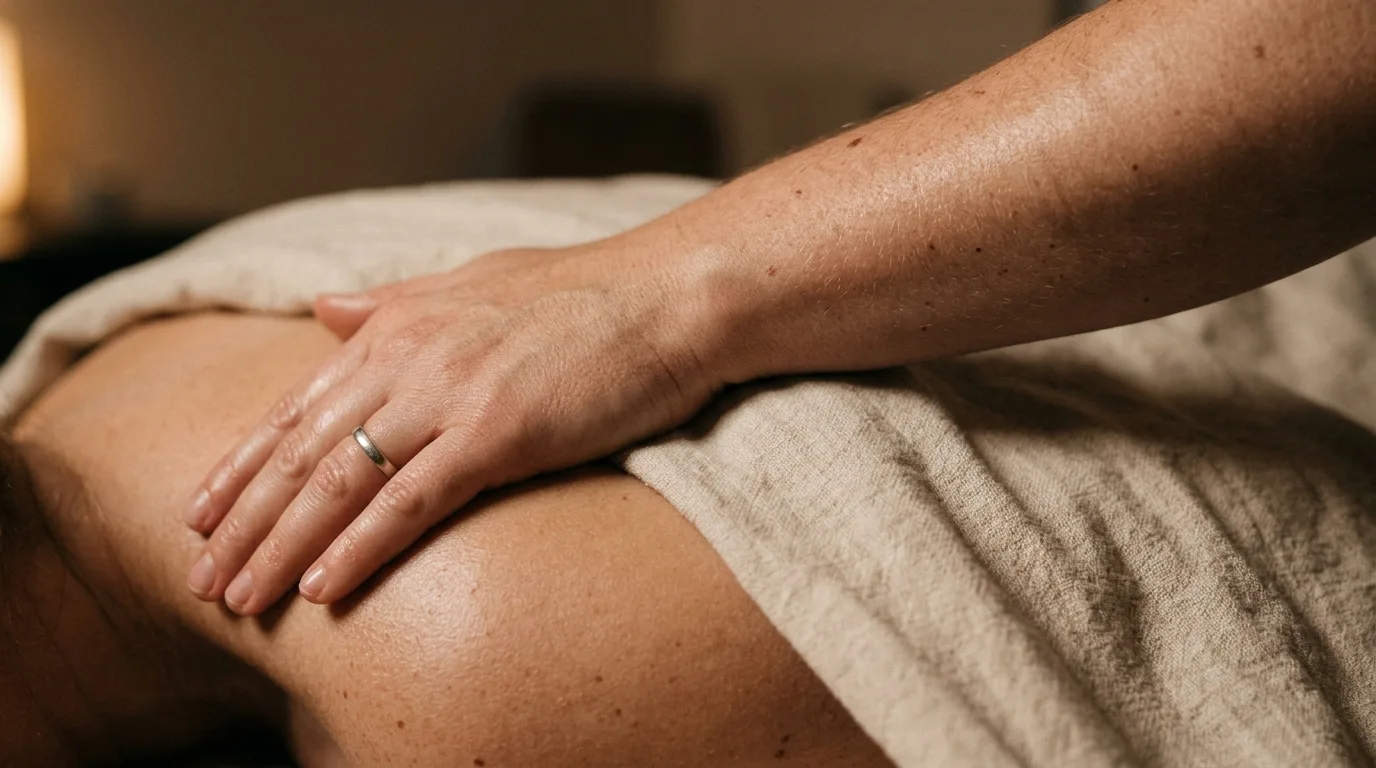
It works slower and more specifically, targeting deeper layers of muscle rather than pressing harder everywhere. It should feel intense but tolerable, not agonising. If you are holding your breath or clenching, that is not therapeutic, it is just your body defending itself.
3. Sports massage suits specific complaints
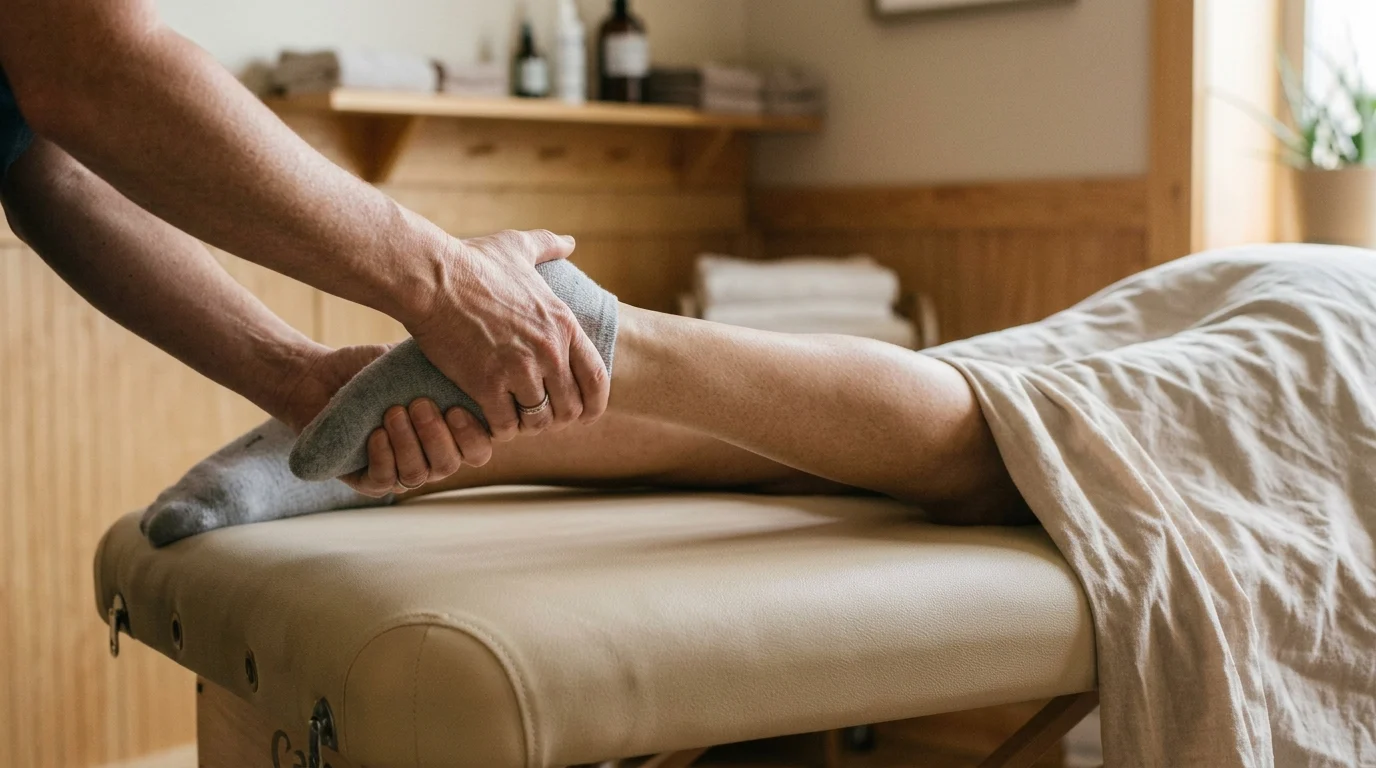
Better for a particular issue, like tight hamstrings from running or a shoulder that stiffens after training. It often includes stretching and some movement rather than just static work. Bring the specific problem to the appointment rather than asking for a general session.
4. Speak up during the session, every time
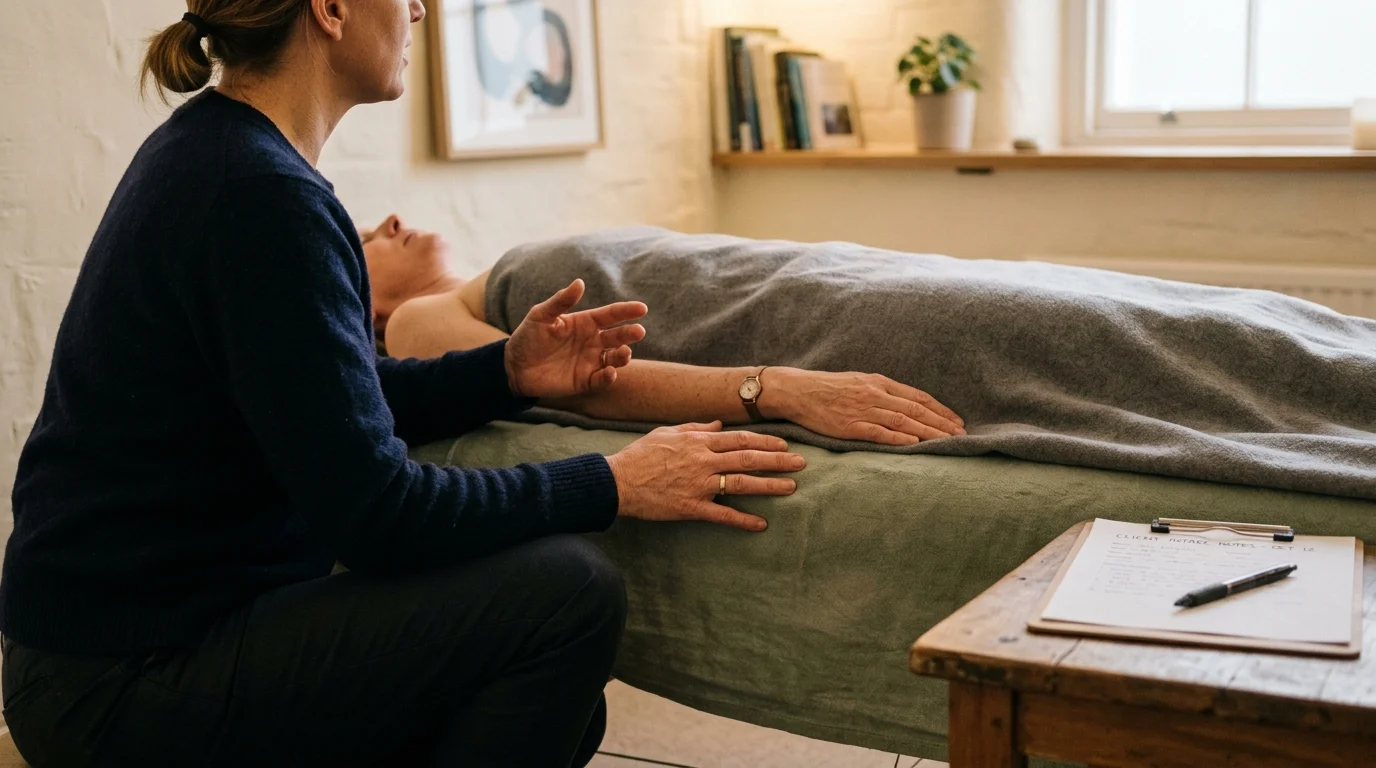
Here is the thing that fixed my experience. Therapists cannot feel what you are feeling, and most people say nothing because they think it is rude. Say too much, less there, that spot again. It is not complaining, it is information, and any decent therapist genuinely wants it.
5. Book at least sixty minutes for a real result
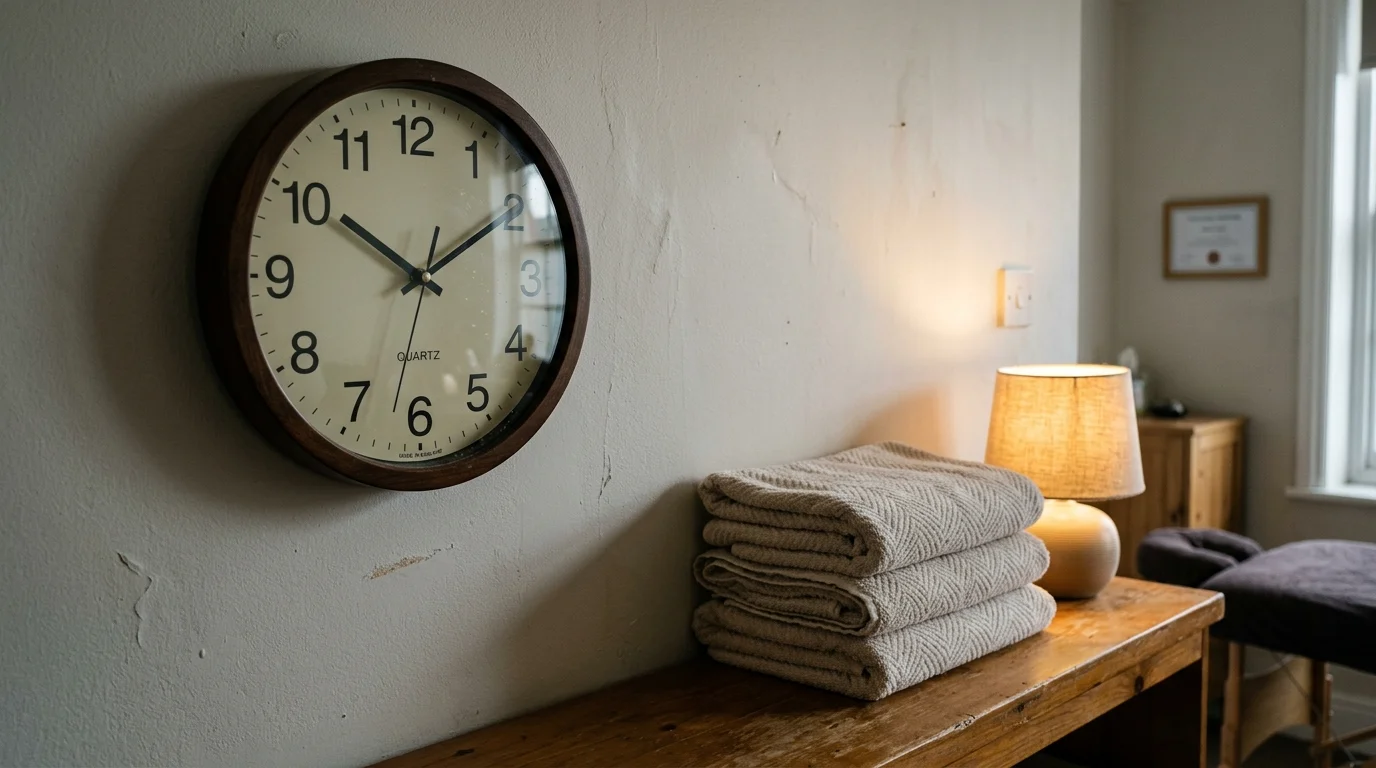
Thirty minute sessions are fine for a specific area, and for a full body session they are rushed. Sixty is the sensible minimum and ninety is where things get properly thorough. If budget is tight, a shorter focused session on one area beats a rushed full body one.
6. More pressure is not more effective

The idea that a massage has to hurt to work is stubborn and wrong. Muscles tense up under painful pressure, which is the opposite of what you want. The best sessions I have had were firm and steady rather than brutal, and I felt better the next day rather than bruised.
7. Drink water, but do not overthink it

You will be told to drink water afterwards and it is sensible general advice. The claims about flushing out toxins are not really supported, so do not stress about it. Just drink normally, and know that feeling slightly tired after a session is common and usually passes by the next morning.
8. Say what medications and conditions you have

The intake form exists for a reason. Blood thinners, recent surgery, skin conditions, pregnancy, high blood pressure and various other things all change what is appropriate. Fill it in honestly, because a therapist adapting their approach is far better than an avoidable problem.
9. Frequency depends on why you are going
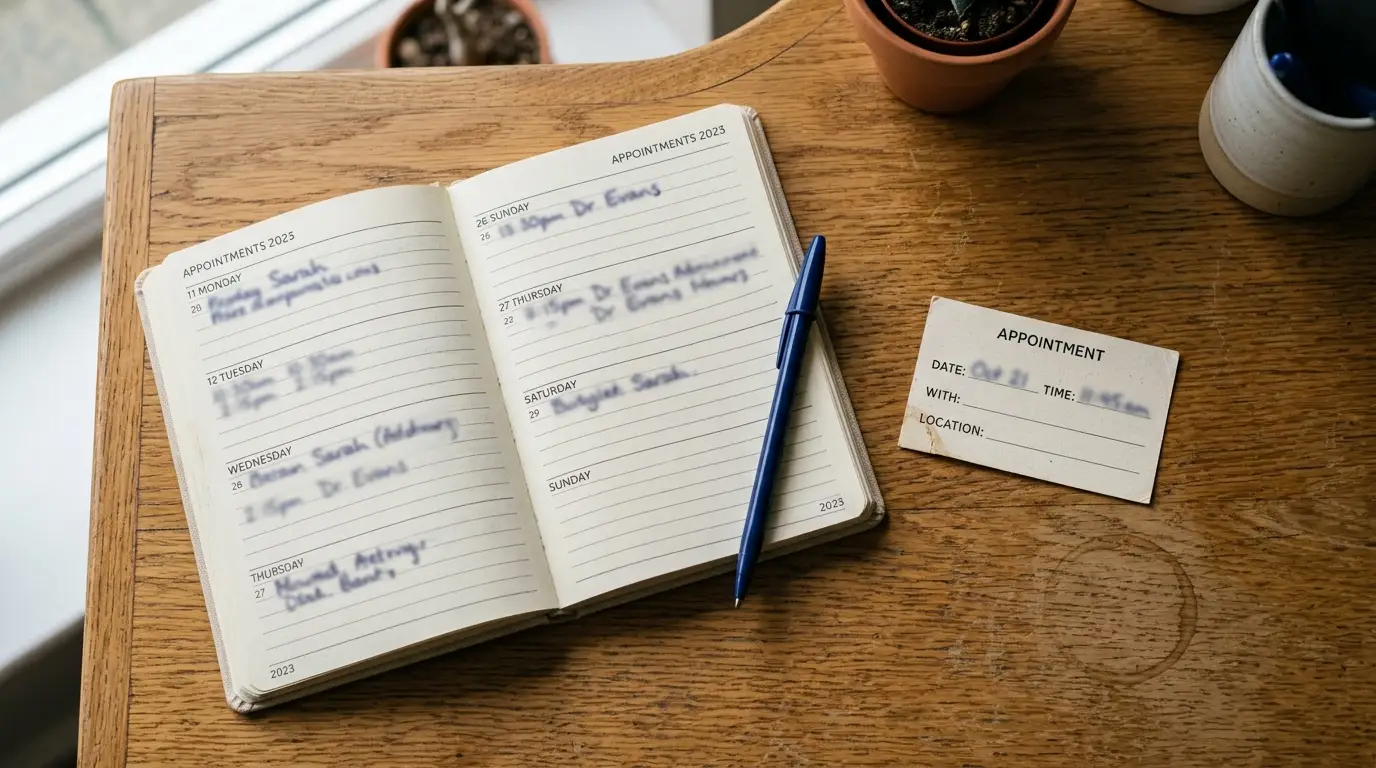
For general stress and maintenance, once a month works well for most people. For a specific issue, a run of weekly sessions for three or four weeks usually achieves more than the same number spread over months. Ask your therapist what they would suggest, since they see the pattern.
10. Check qualifications before you book
Look for a therapist registered with a recognised professional body in your country, and check reviews that mention the specific thing you are going for. Qualification requirements vary a lot by region, so a quick check of what registration means where you live is worth five minutes.
11. Undress to your comfort level, genuinely

You are draped throughout and only the area being worked on is uncovered. Keep whatever underwear you want on. Nobody minds, and being uncomfortable about it will stop you relaxing, which defeats the point of the whole hour.
12. Do not book anything strenuous straight after

Give yourself an hour afterwards where you are not rushing somewhere. A session followed immediately by a stressful commute undoes a good chunk of the benefit. I now book massages for late afternoon and go straight home, which made them considerably more worthwhile.
How to choose the right type and get the most from it
Start with what you actually want out of it. If the answer is stress and general tension, book a Swedish or relaxation massage with a therapist whose reviews mention a calm atmosphere. If it is a specific tight area from training or desk work, book a sports or deep tissue session and tell them the problem in the first two minutes rather than at the end.
Then treat the first appointment as a trial. Therapists vary enormously in pressure, pace and communication style, and finding one who suits you matters more than the label on the treatment. It took me three before I found someone I still see years later. And if you have any ongoing pain, an injury, or a medical condition, check with your doctor before booking, since massage is a good complement to medical care and not a substitute for it.
Frequently asked questions
How often should I get a massage? For general stress and maintenance, roughly once a month suits most people. For a specific issue, a shorter run of weekly sessions usually achieves more than the same number spread out over several months.
Does massage have to hurt to work? No. Painful pressure makes muscles tense defensively, which works against the treatment. Deep tissue should feel intense but tolerable, and if you are holding your breath, the pressure is too much.
What is the difference between Swedish and deep tissue massage? Swedish uses lighter flowing strokes aimed mainly at relaxation, while deep tissue works more slowly on deeper muscle layers and targets specific areas. Deep tissue is not simply the same techniques applied harder.
Should I be worried about being undressed? You are draped throughout and only the area being worked on is uncovered at any time. Keep on whatever underwear you feel comfortable in, since being tense about it stops you relaxing into the session.
Is massage safe if I have a health condition? It depends on the condition, which is exactly why intake forms ask. Tell your therapist about medications, recent surgery, pregnancy or any diagnosis, and check with your doctor first if you have ongoing pain or an injury.
Final thoughts
The difference between a forgettable massage and a genuinely good one is mostly communication, which is a slightly boring answer and a true one. Say what you want, say when it is too much, and the whole thing improves.
If you have been meaning to book one, start with a sixty minute Swedish session somewhere with decent reviews and see how you feel afterwards. And if there is any pain you have been putting off getting looked at, speak to a doctor about that first, since massage works best alongside proper care rather than instead of it.