The first time I asked for espresso brown, I got black. Just black. Flat, blue-toned, unforgiving black that made me look tired for six weeks.
The second time I brought four photos and pointed at the exact bit I wanted, which was the way the ends caught light and went almost warm. That appointment worked.
So this is the post I wish someone had handed me back then. Twelve versions of the shade, what each one suits, and the practical stuff about upkeep that salon Instagram never mentions.
What espresso brown actually is
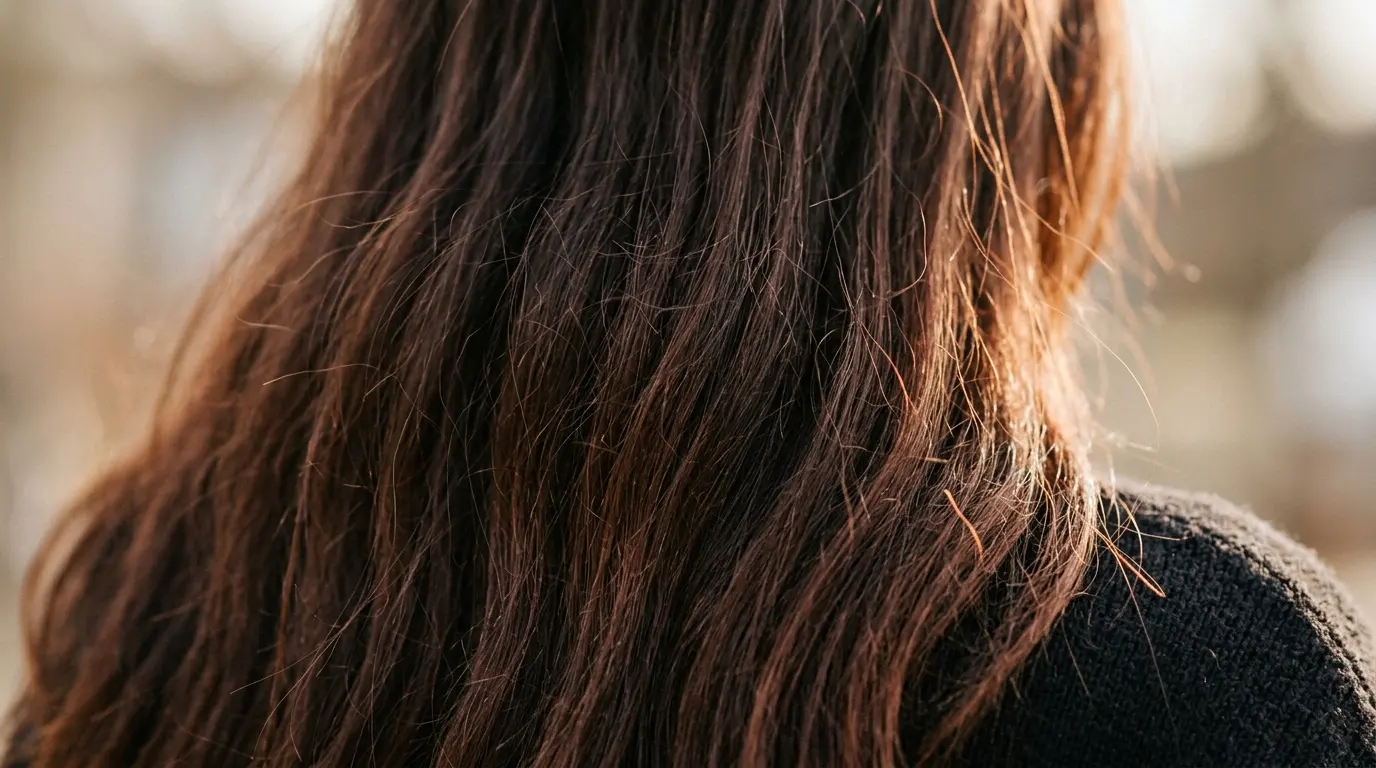
It sits right at the edge of black without crossing over. Deep, saturated, and dark enough to look almost black indoors, but in daylight you see brown, sometimes with a red or coffee-toned glow through it.
That daylight shift is the whole point. If your color looks identical under every light, it is not espresso, it is just dark brown or black. And the difference between the two is entirely about how much warmth your colorist leaves in.
1. Classic espresso, no highlights
The purest version. One solid rich brown from root to tip, no dimension, no face framing. It looks incredibly glossy on straight and wavy hair, and it is by far the cheapest to maintain because there is nothing to blend as it grows out. My tip: ask for a demi-permanent rather than permanent if this is your first time, since it fades softer instead of leaving a hard line.
2. Espresso with a warm undertone
If you have golden or olive undertones in your skin, ask for warmth in the formula. A touch of gold or copper underneath stops the color reading harsh against your face. This is the one I wear, and the difference between this and the cool version is genuinely the difference between looking well rested and looking washed out.
3. Cool espresso with an ashy base
For cool or pink-toned skin, an ashy espresso is stunning. It looks sharper, a bit more editorial. But be warned, cool tones fade fastest of anything, and you will start seeing brassiness around week five. Keep a blue-toned shampoo on hand and use it once a week, not more.
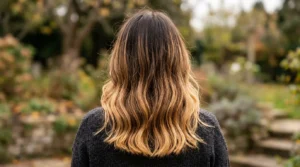
4. Espresso balayage
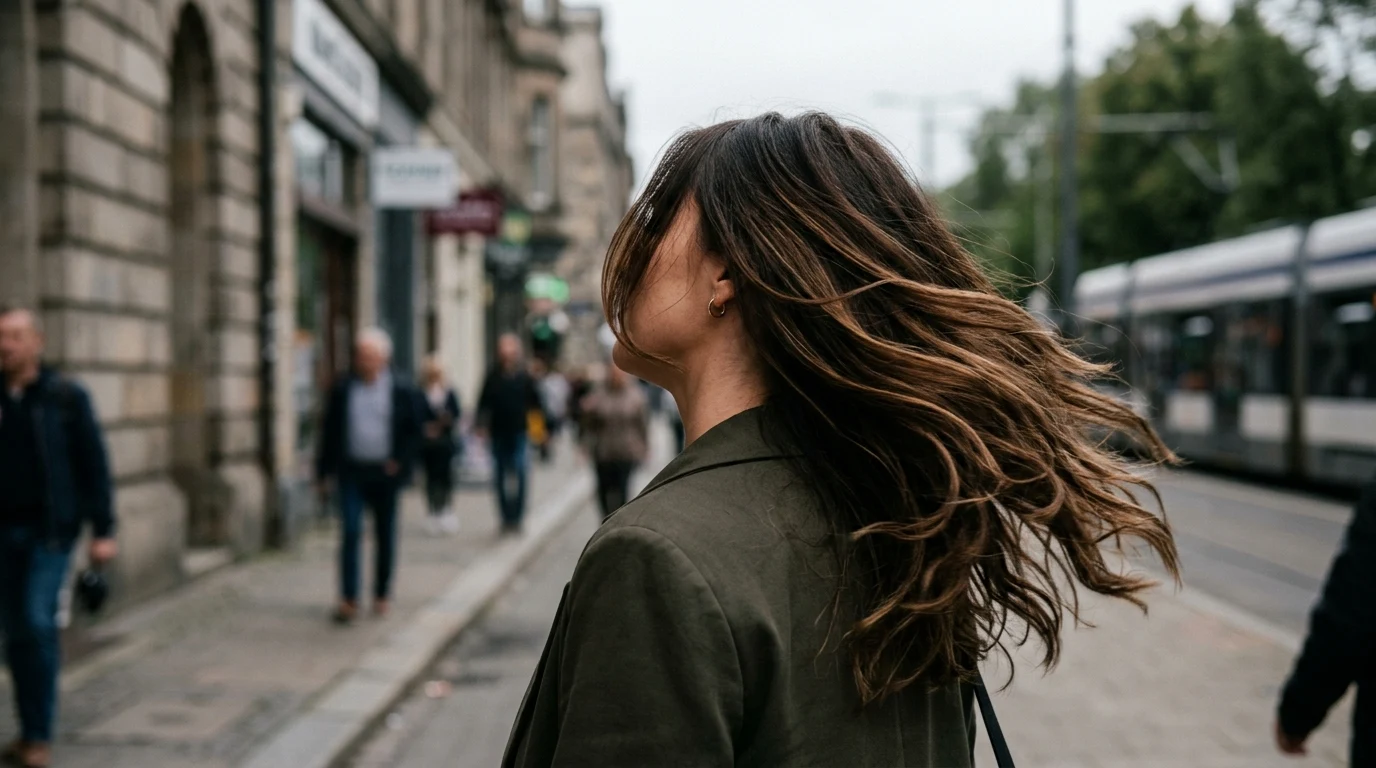
Dark roots melting into slightly lighter brown through the mid lengths and ends. It gives movement without looking obviously highlighted. And it is the most forgiving option for anyone who cannot commit to salon visits every six weeks, because grow out just looks like part of the design.
5. Espresso with caramel face framing
Two thin pieces at the front, a few shades lighter, done in a warm caramel. It brightens your face instantly. I did this in summer and got more compliments than any full color I have ever had. Ask for the lighter pieces to start below your cheekbone, not at the root, or it reads as an old-school chunky highlight.
6. Espresso and mahogany blend
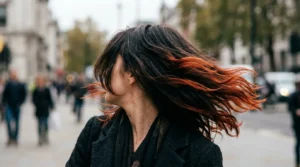
A red-brown undertone woven through the base. It shows up mostly in sunlight and it is subtle enough for an office. Red pigment is the largest molecule in hair color though, which means it escapes the hair shaft first. Expect to refresh with a color-depositing conditioner every three washes if you want it to stay vivid.
7. Glossed espresso
Not a color change so much as a finish. A clear or tinted gloss over your existing dark brown, done in about twenty minutes at the salon. It costs a fraction of a full color and the shine is ridiculous. This is what I book between proper appointments, and honestly it does more for how my hair looks than anything else on this list.
8. Espresso with a soft root shadow
Your natural root is left slightly darker, then blended down into the espresso. It buys you weeks. Genuinely, I have gone ten weeks between appointments with a root shadow and nobody noticed. If you have grey coming through, this is less effective, so it suits people whose natural base is already dark.
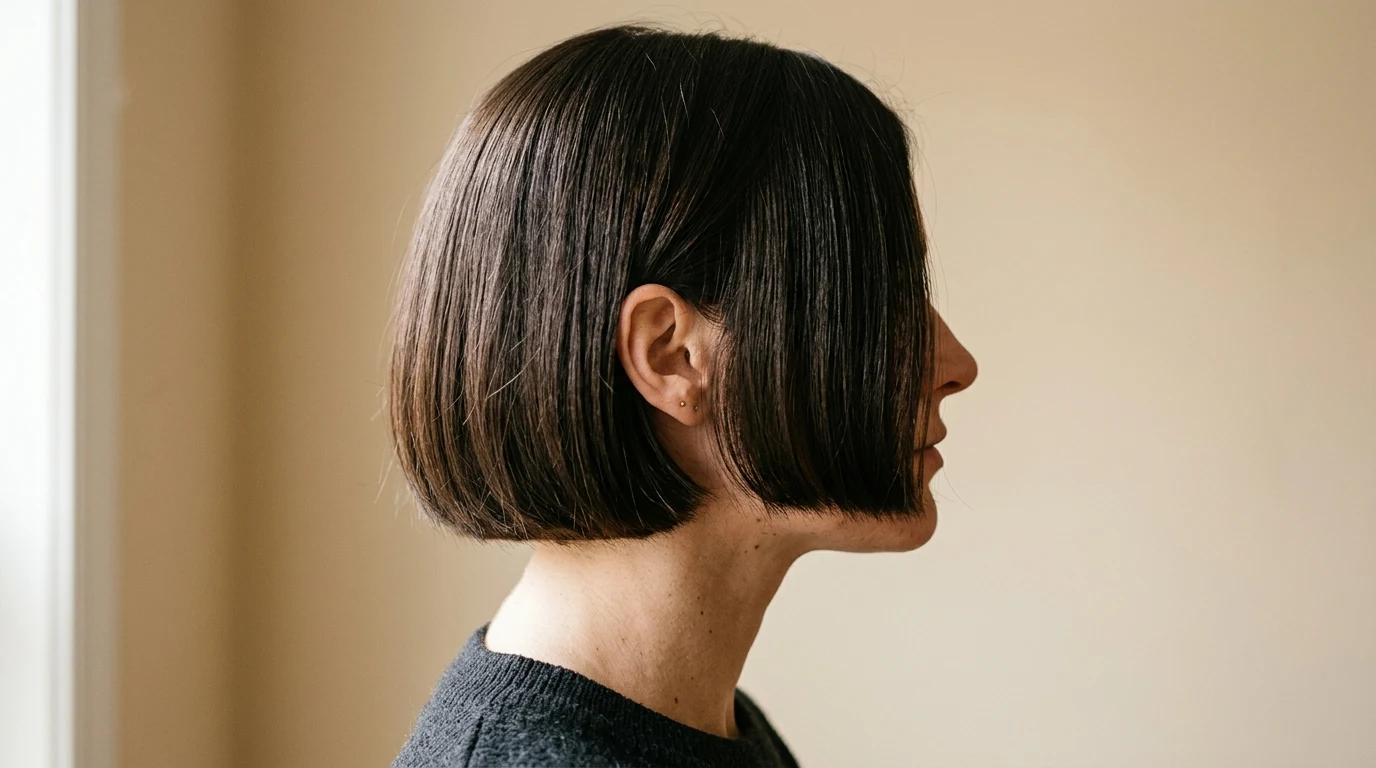
9. Espresso on short hair
Blunt bobs and pixies look incredible in this shade because the density of the color emphasizes the shape. The catch is that short hair shows regrowth much faster at the hairline. Book a root touch up at week four rather than six, or the contrast around your part gets obvious.
10. Espresso with curls
On curls and coils, espresso brown is one of the kindest dark shades because it reads dimensional naturally. The curl pattern creates its own light and shadow. Skip anything with high-lift bleach if you can, and lean on deposit-only color, since curly hair is more porous and grabs pigment fast.
11. Espresso with a subtle money piece
One thicker brightened section at the front, usually starting right at the part. Bolder than face framing, easier than full highlights. The mistake I keep seeing is people going too light too fast, ending up with a stripe that fights the base. Two to three levels lighter is the sweet spot.
12. Espresso to chestnut ombre
Dark at the root, warming into a soft chestnut at the ends. It is a bit softer and more lived-in than a hard ombre. And it grows out beautifully, which matters more than people admit when they are choosing a color they will live with for months.
How to choose the right version for you
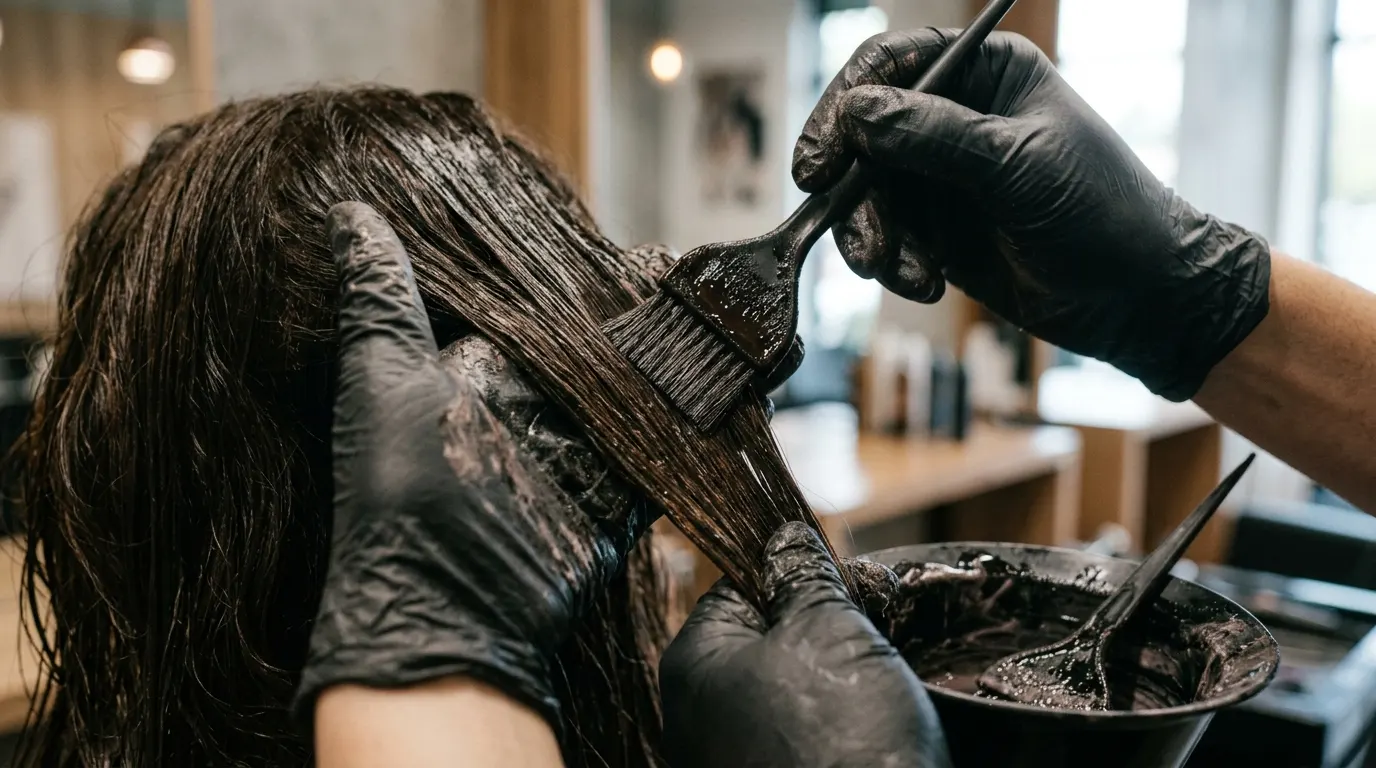
Start with your skin, not with the photo you saved. Hold a piece of gold jewelry and a piece of silver up near your face in daylight. If gold looks better, go warm espresso. If silver wins, go cool or ashy. If both look fine, you are neutral and you can wear either, which is annoying for choosing but great for everything else.
Then be honest about maintenance. Full solid color needs a root touch up every four to six weeks. Balayage and root shadow stretch to eight or ten. And if you wash your hair more than four times a week, add a gloss into your routine, because dark color fades way faster than most people expect and the first thing to go is the shine, not the depth.
Frequently asked questions
Is espresso brown hair the same as black? No, though it can look that way indoors. Espresso keeps brown or red pigment in the formula, so it shifts warmer in natural light, while true black stays flat under every light source.
Will espresso brown suit me if I have light skin? Usually yes, but the undertone matters more than the depth. Very fair skin with pink undertones tends to look better in a cool espresso, while fair skin with golden warmth suits a coffee-toned version with red left in.
How long does espresso brown hair last? Around six to eight weeks before it looks noticeably faded, though the shine dulls earlier than that. A color-depositing conditioner used weekly will comfortably add another two or three weeks of richness.
Can I go espresso brown from blonde? Yes, but it needs a filler first. Blonde hair has no warm pigment left in it, so applying a dark brown directly gives you that flat, slightly green result people complain about. Any decent colorist will do this step automatically.
Does espresso brown fade to orange? It can, especially if it was applied over previously lightened hair. Sulfate free shampoo, cooler water, and heat protectant slow it down. If you already see orange creeping in, a toner appointment fixes it in under an hour.
Final thoughts
Espresso brown is one of those shades that quietly makes everything else look better. Your skin, your eyes, even a plain white shirt somehow looks more intentional with rich dark hair against it.
If you are thinking about it, save three photos taken in daylight rather than in a salon chair, and bring them to your consultation. That one small step is what finally got me the color I wanted, and it took three years of near misses to figure out.